


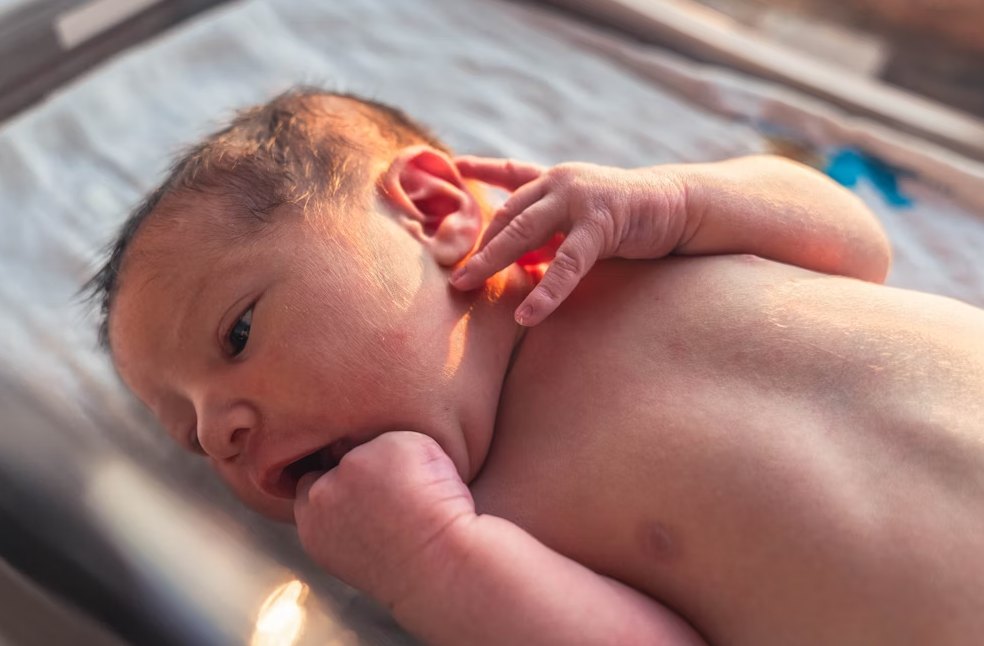
London: The NHS maternity investigation has been expanded to 14 hospital trusts in England after concerns over patient safety and a culture of cover-up were raised.
Charles Massey, chief executive of the General Medical Council, has said that something has gone badly wrong when trainee obstetrics and gynaecology doctors are too fearful to raise concerns.
Massey has pointed to the ‘tribal’ nature of medicine, where doctors and staff are set against one another, as a barrier to open reporting when mistakes occur. Massey’s comments coincide with the government naming the trusts subject to the rapid review of maternity and neonatal services, led by Baroness Amos.
Health Secretary Wes Streeting has praised bereaved families for their courage in sharing experiences dating back more than 15 years. However, some families have criticised the process, describing it as not fit for purpose. The review has been extended, with a final report expected in spring 2026, though Baroness Amos has committed to releasing interim findings by Christmas.
The 14 trusts under investigation include Blackpool Teaching Hospitals, Bradford Teaching Hospitals, University Hospitals of Leicester, Leeds Teaching Hospitals, Sandwell and West Birmingham, Gloucestershire Hospitals, Yeovil District Hospital, Oxford University Hospital, University Hospitals Sussex, Barking Havering and Redbridge University Hospitals, Queen Elizabeth Hospital King’s Lynn, University Hospitals of Morecambe Bay, East Kent Hospitals, and Shrewsbury and Telford Hospital.
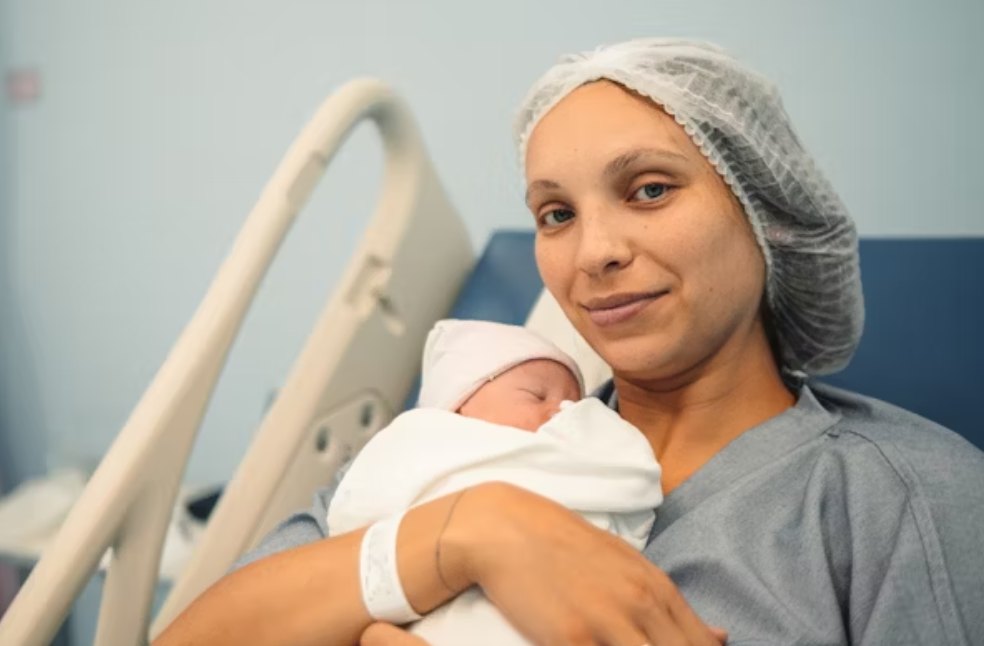
Research from the charities Sands and Tommy’s has shown that improved maternity care may have prevented more than 800 baby deaths in 2022–23. Previous inquiries into Morecambe Bay, East Kent, and Shrewsbury and Telford have revealed systemic failures such as ignoring women’s voices, poor leadership, and failure to learn from safety incidents. Despite these findings, families continue to report substandard care.
Baroness Amos has said that the review will give particular attention to why black and Asian families experience poorer outcomes. The Department of Health has explained that the trusts were selected through data analysis and family input to reflect a broad demographic and geographic mix.
The Royal College of Obstetricians and Gynaecologists has acknowledged that focusing on specific trusts may create anxiety but has emphasised the need to rebuild a world-class maternity system. Professor Ranee Thakar, its president, has said that too many women and babies are being denied safe and compassionate care.
The Maternity Safety Alliance has been sharply critical of the review, arguing that responsibility is being unfairly placed only on clinicians and trusts, while regulators such as the Care Quality Commission are not examined. The group has called instead for a statutory public inquiry.
The parents who campaigned for the Shrewsbury and Telford investigation have been more supportive, calling the current review a first step but stressing the need for stronger mental health support for families sharing their stories.
MOST READ | US access confirmed for Western Australia shipyard under AUKUS submarine deal
