


Nottingham: Hospitals in England are routinely failing women and babies during childbirth, with some trusts allegedly covering up mistakes, altering medical records, and denying families transparency, according to a damning report by Lady Amos.
The investigation highlights negligent care, staff disputes, and worse outcomes for ethnic minority and economically disadvantaged women due to racism and discrimination.
Lady Amos, chairing the independent inquiry, said that, “The system is not working for women, babies and families, or for staff. Too often, maternity and neonatal services fail to deliver the safe care that women, families, and babies expect and deserve, at times with devastating consequences.”
The report points to multiple factors worsening maternity care, including rising numbers of older mothers and obesity, staffing shortages at every stage of care, and outdated infrastructure. These deficiencies have led to long delays in assessments, restricted home births, rushed antenatal appointments, and mothers being discharged without proper postnatal checks.
Hospitals fail transparency
The inquiry also exposes systemic secrecy and defensiveness within NHS trusts. Families are reportedly banned from participating in investigations, while medical notes are sometimes redacted, amended, or withheld. The report notes: “Hospitals’ refusal to be transparent compounds the harm already suffered through trauma or bereavement, and prevents learning from safety lapses that should not recur.”
Paul Whiteing, Chief Executive of Patient Safety Charity Action against Medical Accidents, commented that, “The evidence shows the shocking lengths that some staff go to, such as hiding or falsifying medical records, to cover their tracks. This defensive behaviour causes additional distress to families already struggling with grief and trauma.”
The investigation follows a series of high-profile maternity scandals at hospitals in East Kent, Leeds, Morecambe Bay, Nottingham, and Shropshire, and addresses the rising costs of NHS negligence settlements. In Nottingham, a separate inquiry covering 2,500 cases is underway, the largest maternity investigation in NHS history, due to report in June.
Amos’s report also highlights the impact on staff, who face extreme public scrutiny and criticism. Some midwives reported hiding their name badges or uniforms in public, or concealing their profession, due to fear of judgment or harassment.
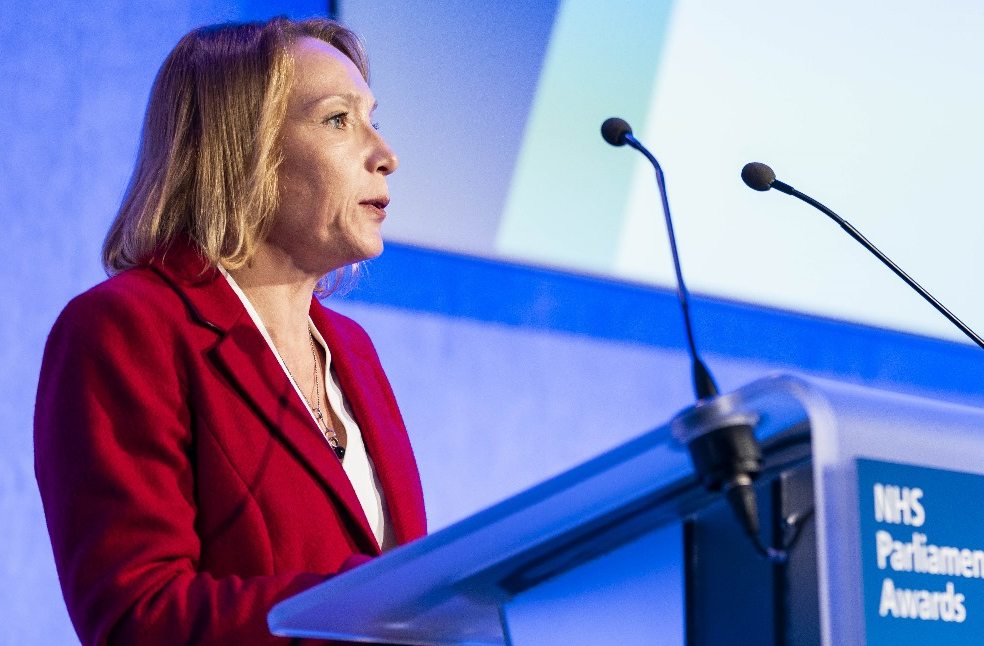
MP Layla Moran, Chair of the Commons health and social care committee, highlighted that, “It is heartbreaking to hear the stories of families failed tragically by the system, and healthcare professionals who have faced vitriol for doing their jobs in difficult circumstances.” Moran urged ministers to act immediately, without waiting for the final report.
Helen Morgan, Liberal Democrats’ health spokesperson, highlighted that, “From collapsing ceilings in maternity units to rising injuries and deaths, we have accepted the unacceptable for British women. How many more reports are needed before action is taken?”
Health Secretary Wes Streeting noted that, “Baroness Amos’s report lays bare the systematic, sustained and recurring failures in maternity and neonatal care across the country, which have left too many mothers, babies, and families as victims of avoidable NHS tragedies. I want to thank the families who have bravely shared their stories.”
A new task force will soon be launched to develop an action plan based on Amos’s final recommendations, aimed at overhauling maternity services and improving safety, transparency, and care during childbirth.
ALSO READ | Nearly half of Britons avoid GP visits over access fears
