


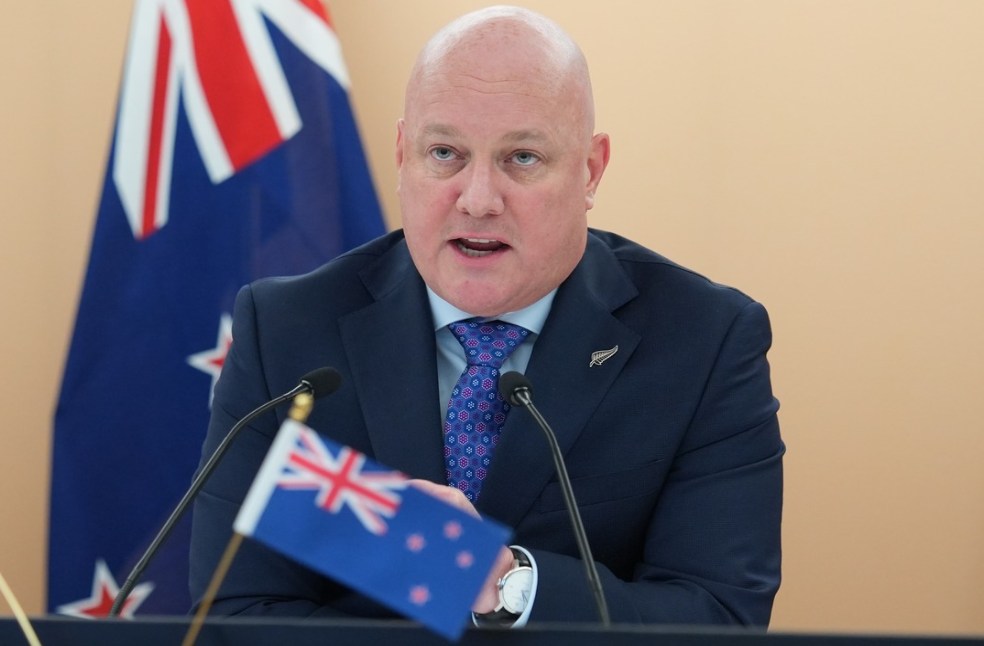
Wellington: New Zealand has entered a decisive phase of its political calendar after Prime Minister Christopher Luxon confirmed that the country will go to the polls on November 7.
The election date has set the stage for what is expected to be a closely fought contest between the ruling coalition and a resurgent opposition, with economic management, cost of living pressures and stability in uncertain global conditions dominating public debate.
Prime Minister Luxon has stated that the election will give citizens an opportunity to decide which leadership is best positioned to guide the nation through a volatile international environment. Since assuming office in 2023, the Luxon-led administration has focused on restoring economic momentum and strengthening confidence in governance.
The governing coalition, made up of the National Party alongside New Zealand First and ACT, has controlled parliament since 2023. While the alliance has maintained legislative stability, opinion polls have indicated that support remains finely balanced.
Surveys have shown that neither a National-led coalition nor a Labour-led alternative currently commands a clear majority, signalling that voter turnout and undecided voters could determine the final outcome.
Economic conditions are expected to shape the core of the campaign. New Zealand has faced a slowdown marked by higher unemployment, rising interest rates and reduced consumer confidence. Many families have struggled with the cost of food, fuel and housing, while business groups have called for stronger economic stimulus and policy clarity.
Luxon has defended the administration’s performance by pointing to ongoing reforms and investment in key sectors. The prime minister has maintained that the country is moving in the right direction, stressing the importance of continuity and long-term planning. Campaign messaging from the National Party is expected to focus on economic rebuilding, fiscal responsibility and stability in governance.
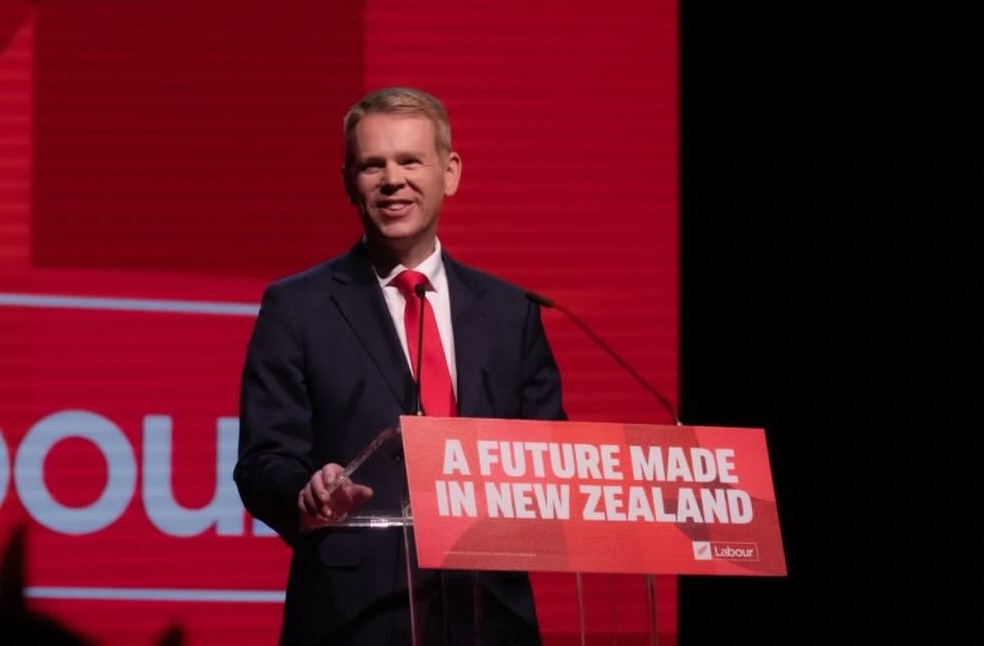
The opposition Labour Party, now led by former prime minister Chris Hipkins, is positioning itself as a credible alternative. Labour has criticised the government’s handling of social services, affordability and public sector support, arguing that current policies have placed too much pressure on working families.
The political backdrop also includes the wider context of international uncertainty, including geopolitical tensions and global economic volatility. Leaders from all sides have highlighted the need for New Zealand to remain adaptable and secure its economic position while protecting domestic welfare. This has reinforced the importance of leadership credibility in the upcoming vote.
With the legal deadline for the election set at 19 December, the decision to hold it on 7 November has provided clarity for political parties, businesses and voters. As campaigning begins in earnest, the nation is preparing for a contest that could redefine its political direction and economic priorities for the coming years.
DON’T MISS | Shanghai records rare snowfall as cold wave grips China
