


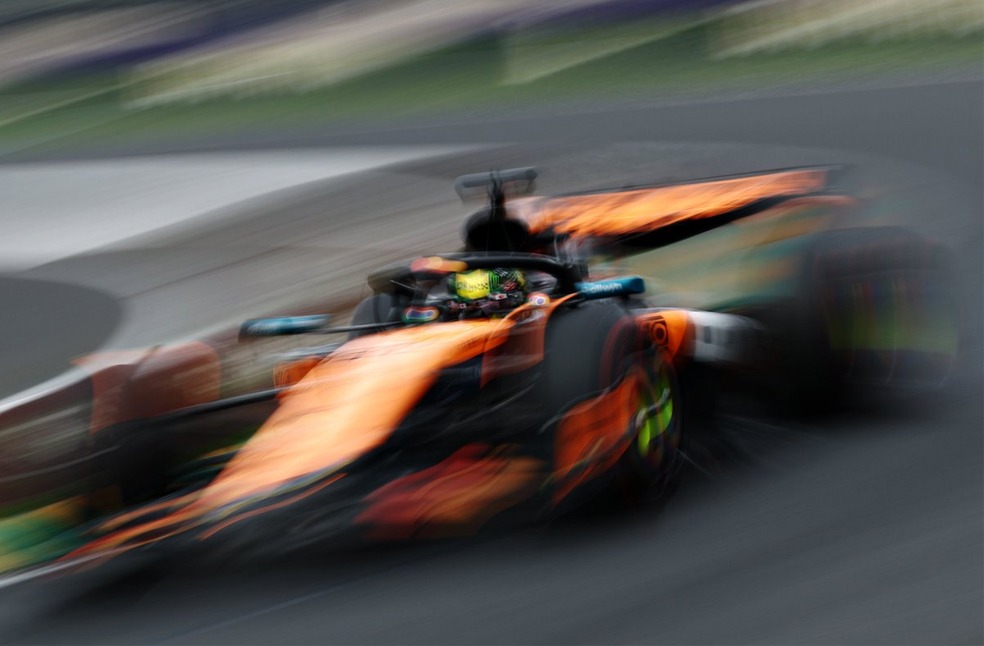
Melbourne: The 2026 Formula 1 season is fast approaching, bringing sweeping changes that fans will encounter from the opening round in Melbourne, Australia, taking place from 6–8 March. With bold new technical regulations and the arrival of an 11th team on the grid, the championship enters one of its most transformative phases in history.
Among the most significant updates are extensive rule changes covering the power unit, chassis, tyres, and fuel. The new-generation cars are smaller and designed with greater environmental sustainability in mind. Their engines now feature an almost equal 50-50 split between electric and internal combustion power, and they operate using fully sustainable fuels.
Despite the progressive approach, concerns have emerged within Formula 1 about the increased demands of energy management. Drivers will need to carefully balance electrical deployment throughout qualifying sessions and races, potentially influencing driving styles and strategic decisions.
DRS phased out
One of the most notable sporting changes is the removal of the Drag Reduction System (DRS). It has been replaced by an ‘overtake mode,’ which grants drivers a short burst of additional electric energy when they are within one second of the car ahead at a designated detection point, typically near the final corner.
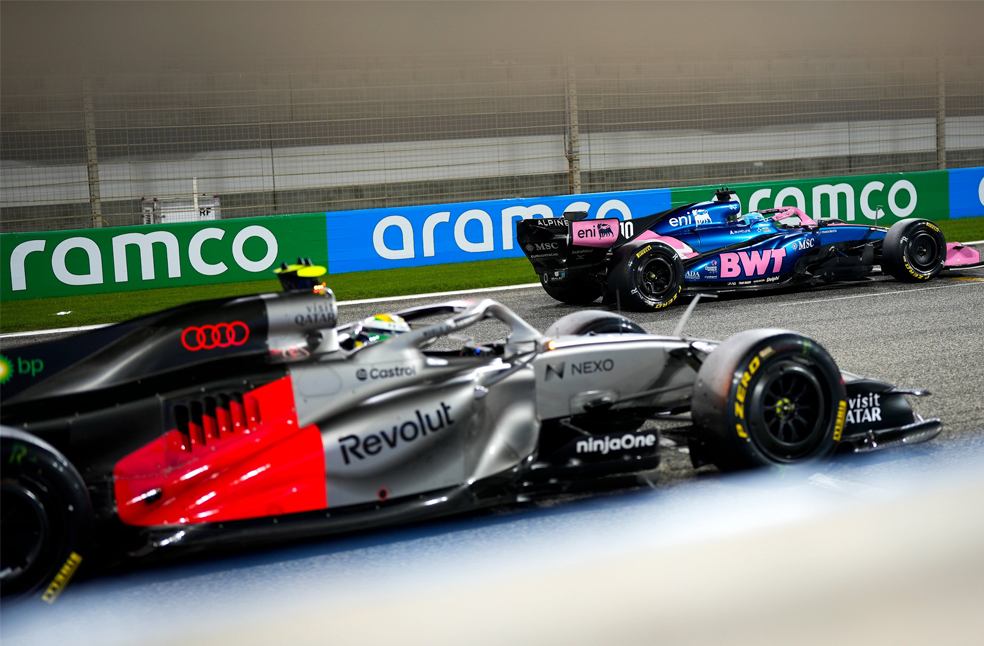
DRS has been phased out due to the introduction of active aerodynamics, allowing both the front and rear wings to automatically adjust their angles. This system reduces drag on straights and increases downforce through corners, enhancing performance efficiency.
During the second week of pre-season testing in Bahrain, Ferrari attracted attention with a rotating ‘upside-down’ rear wing that activated in straight-line mode. The team clarified that it was a test item and was only used briefly.
Reactions to the new regulations and cars were mixed across six days of testing in Bahrain. Four-time world champion Max Verstappen likened the cars to ‘Formula E on steroids,’ pointing to the heightened focus on energy management.
Meanwhile, seven-time champion Lewis Hamilton described the new rules as ‘ridiculously complex,’ though he acknowledged that the cars are ultimately ‘more fun’ to drive. With major technical innovation, a new team on the grid, and fresh racing dynamics, the 2026 season promises to mark the beginning of a dramatically different era in Formula 1.
MOST READ | Middle East airspace closures trigger global flight chaos
