



London: The UK government has published a new Road Safety Strategy outlining a series of proposed reforms aimed at reducing deaths and serious injuries on the country’s roads.
The measures include plans to introduce mandatory eyesight tests for drivers aged over 70, lower the legal drink-drive limit in England and Wales, and consult on a minimum learning period of up to six months for new drivers before they can take their driving test.
The government says the extended learning period would give learner drivers more time to develop their skills. Official figures show that nearly one in four deaths and serious injuries on Britain’s roads involve drivers aged between 17 and 24, even though this age group represents only about 6 percent of all licence holders.
However, road safety campaigners argue that the proposals do not go far enough. Nicole and Chris Taylor, whose daughter Rebecca was killed in a car crash in Northamptonshire in 2008 when she was just 18, highlighted that the Road Safety Strategy fell short of what was needed.

Nicole stated that the measures were ‘not enough’ for families like theirs, adding that much more could and should have been done. Chris said that while a longer learning period made sense, young drivers would eventually have to drive independently and needed stronger protections when that happens.
The Taylors are among hundreds of families who have long campaigned for the introduction of Graduated Driving Licences (GDLs). In countries such as Australia and Canada, GDL systems place restrictions on newly qualified drivers during their first months on the road, including limits on the number of passengers and bans on late-night driving. These measures have been shown to significantly reduce serious injuries and fatalities.
Edmund King, President of The AA, described the new strategy as ‘welcome’ and ‘ambitious’ but said that it missed a key opportunity to better protect young motorists. King added that the evidence from countries with GDLs shows that limiting the number of same-age passengers for the first six months saves the most lives, estimating that such a step could save more than 50 lives a year in the UK.
Despite the criticism, the government has described the Road Safety Strategy as a major shift in approach. It is the first significant reform of road safety policy in nearly 20 years, with the aim of cutting deaths and serious injuries by 65 percent by 2035.
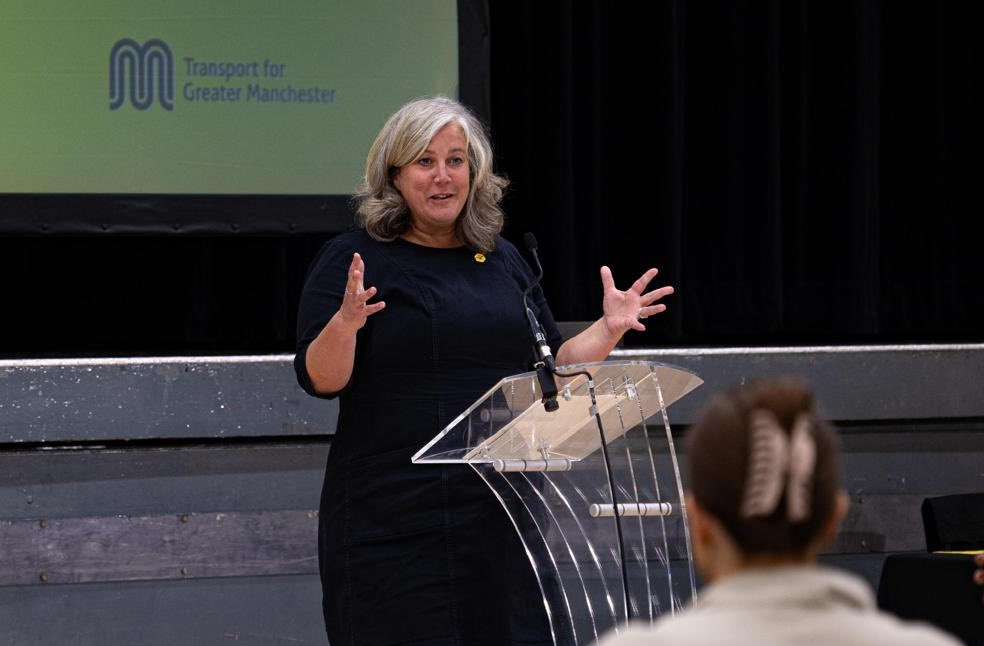
Transport Secretary Heidi Alexander noted that every death on the roads is a tragedy and acknowledged that progress had stalled for too long. Alexander emphasized that the new strategy marked a turning point and would make roads safer for everyone, from new learners to older drivers seeking to maintain their independence, potentially saving thousands of lives over the next decade.
A key part of the plan is a proposed reduction in the drink-drive limit. The current limit in England, Wales, and Northern Ireland is 35 micrograms of alcohol per 100ml of breath, unchanged since 1967 and among the highest in Europe, alongside Malta. Drink-driving accounted for around one in six road deaths in 2023.
Under the new Road Safety Strategy, the limit could be reduced to 22 micrograms in England and Wales, bringing them into line with Scotland, which lowered its limit in 2014. The government also plans to explore preventative technologies, including alcohol interlock devices that require drivers to pass a breathalyser test before a vehicle’s ignition will start.
To oversee the implementation of the Road Safety Strategy, a new Road Safety Board will be established, chaired by the minister for local transport, to ensure delivery of the proposed measures and long-term improvements in road safety.
MOST READ | BHF flags dangerous salt levels in England’s adult diets
