


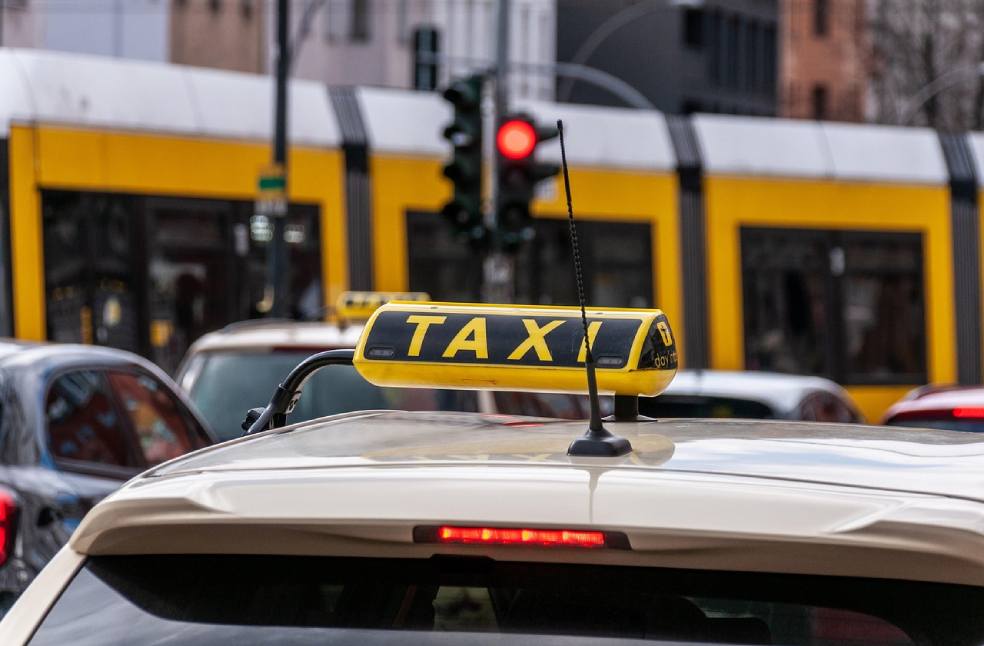
London: The UK government has tightened its taxis policy for asylum seekers, confirming that transport for medical appointments will only be allowed in exceptional cases.
The move has come after an internal review found that long-distance taxi journeys had driven significant transport costs for the Home Office.
Officials have confirmed that the government has spent an average of £15.8 million per year on transporting asylum seekers, with some journeys reaching extreme distances. One case highlighted a 250-mile trip to a general practitioner that reportedly cost £600.
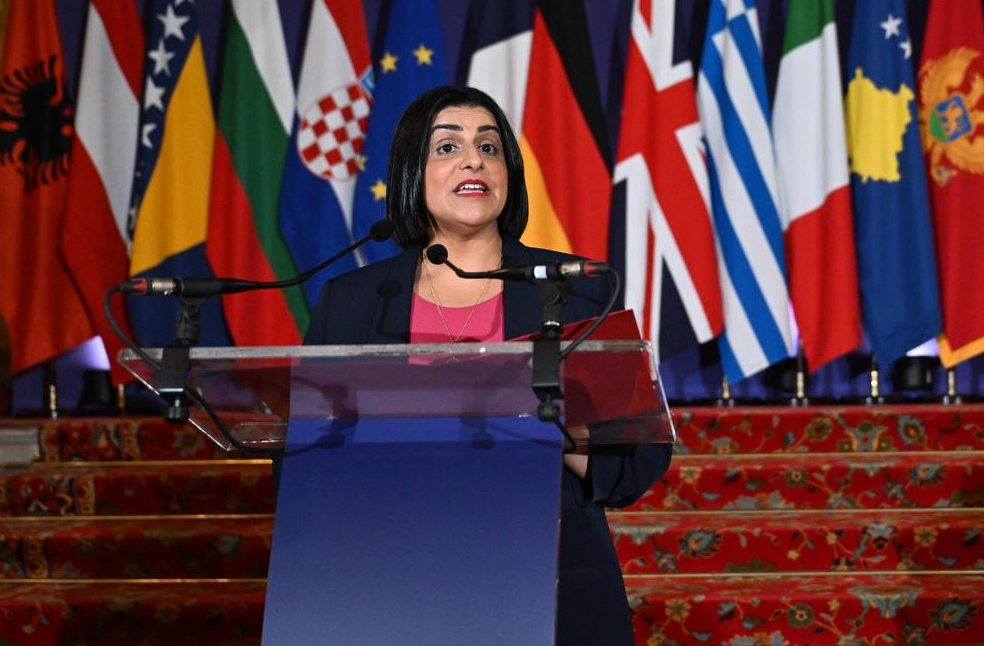
Home Secretary Shabana Mahmood has said that the unrestricted use of taxis would now end, adding that such travel would only be authorised when medically essential. Mahmood has said that the change is part of a wider push to reduce waste and close asylum hotels. The government has also argued that it inherited costly transport contracts entered into under previous administrations.
Under the updated rules, asylum seekers are expected to rely on public transport for appointments unless their circumstances meet exemption criteria. Exceptions will apply for individuals with physical disabilities, chronic illnesses or pregnancy-related needs. Any approved taxi use will require Home Office sign-off.
In addition to medical journeys, taxis can still be used in limited situations such as moving asylum seekers between accommodation sites. However, ministers have said that broader taxi use is under review and that the principle of restricting journeys to exceptional circumstances would likely be expanded.
Ministers have pledged to end the use of asylum hotels before the next election by increasing reliance on alternative forms of accommodation, including large-scale military sites. Yet government data has shown that 36,273 people remained in hotels as of this week, marking an increase since June. Critics have highlighted rising accommodation costs driven by long-term contractual obligations.
When asked whether the government was willing to trigger break clauses in provider contracts, Mahmood has said that all options would be explored, though doing so would require securing alternative housing capacity. The government has paired the transport changes with broader asylum reforms, including temporary refugee status and altered housing entitlements.
The Home Office has also said it has recovered £74 million since coming to power. However, opposition figures have argued that deeper structural issues remain unresolved. Shadow Home Secretary Chris Philp has accused the government of failing to control what he described as an ‘illegal immigration crisis’, claiming that costs would continue rising without tougher measures such as deportation initiatives and withdrawal from the European Convention on Human Rights.
The tightening of taxis rules reflects a broader attempt to curtail expenditure while restructuring the asylum system, although ministers continue to face scrutiny over both cost efficiency and accommodation capacity.
IMPORTANT | Southeast Asia floods push death toll higher as rescues continue
