


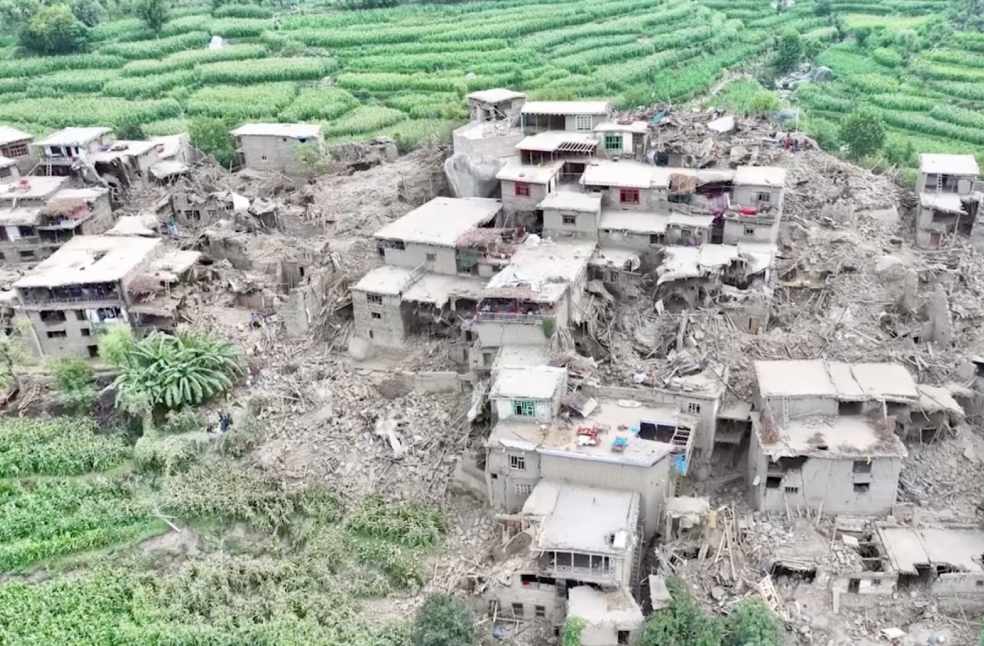
Kabul: A new Afghan earthquake of magnitude 5.5 has shaken southeastern Afghanistan, raising concerns of further destruction nearly two days after a magnitude 6 quake killed over 1,400 people and injured thousands more.
The aftershock occurred at a shallow depth of 10 km (6 miles), the same as the first quake, which flattened homes in remote villages and caused significant loss of life.
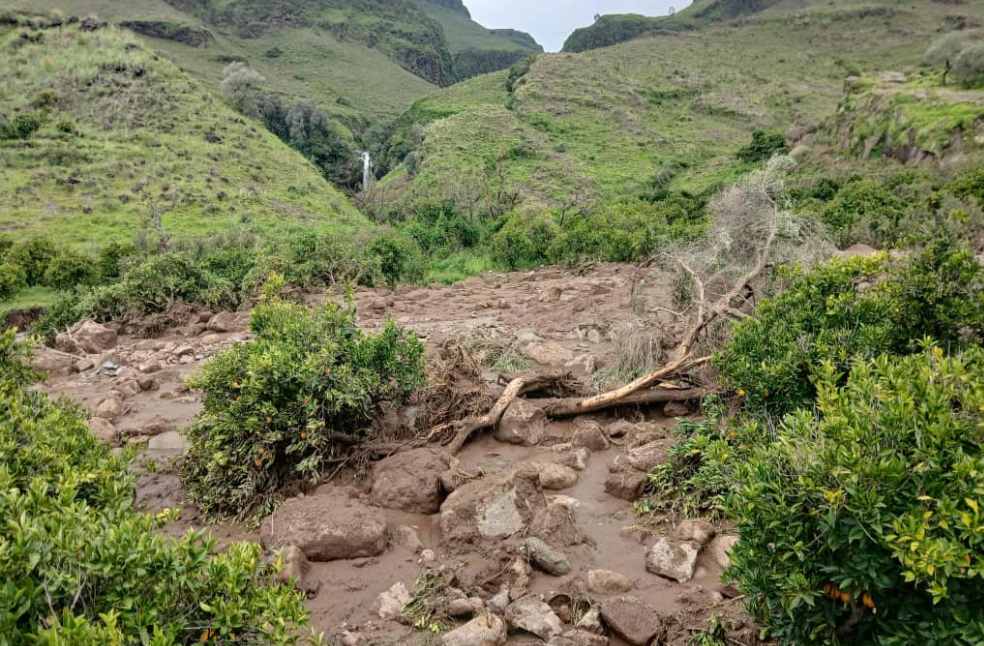
The tremor disrupted ongoing rescue operations, as rocks slid down mountains, cutting off roads and making it more dangerous to remove rubble, said Safiullah Noorzai from the humanitarian platform Aseel. Teams deployed by his organisation have reported additional injuries, potentially increasing the death toll further.
The challenging terrain of the affected areas has significantly hindered relief efforts. Almost every home had been damaged or destroyed, with locals continuing to search through debris for survivors. Many partially damaged homes were completely destroyed by the second quake, according to residents.
Taliban administration spokesperson Zabihullah Mujahid said that at least 1,411 people have died so far, 3,124 have been injured, and more than 5,400 houses have been destroyed. The UN coordinator in Afghanistan warned that the death toll is likely to rise as rescue operations reach isolated communities.
Aid organisations, including Save the Children, have urged the international community to release emergency funds immediately. The quake has disrupted access to clean water and food, raising concerns about disease outbreaks and malnutrition.
Samira Sayed Rahman, Programmes and Advocacy Director at Save the Children, said that it is now a race against time to provide life-saving assistance to those trapped in remote villages.
Afghanistan is highly susceptible to earthquakes, particularly in the Hindu Kush mountain range, where the Indian and Eurasian tectonic plates meet. The recent quakes highlight the vulnerability of remote communities in this seismically active region.
RELATED POST | Afghan earthquake leaves 622 Dead; Thousands injured
