


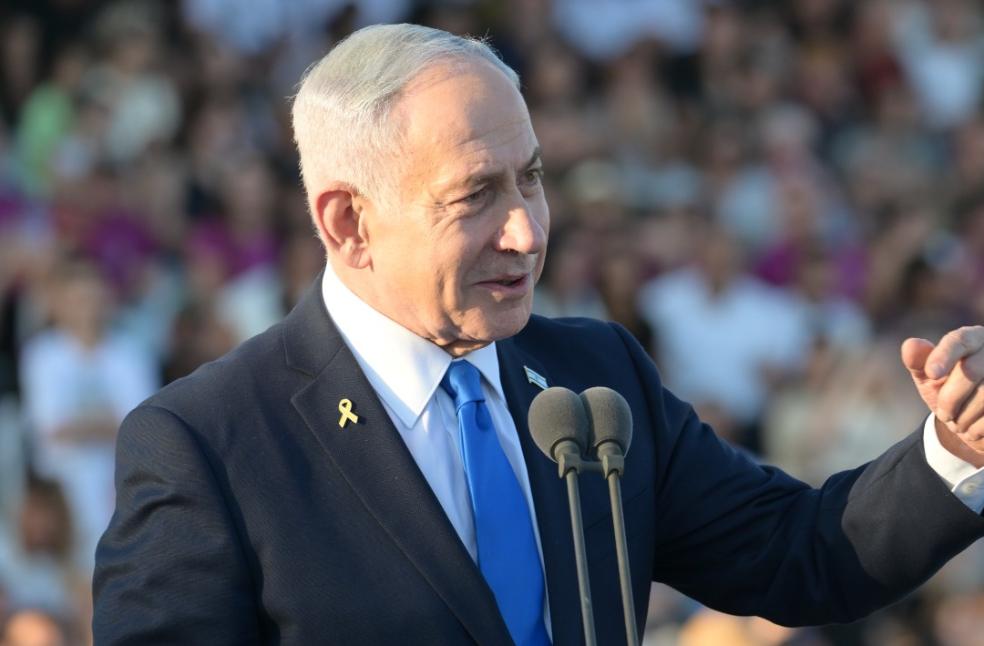
Jerusalem: Israeli Prime Minister Benjamin Netanyahu has detailed the conditions he believes must be met for any future agreement between the United States and Iran, insisting that Tehran dismantle all nuclear infrastructure and eliminate its enrichment capability.
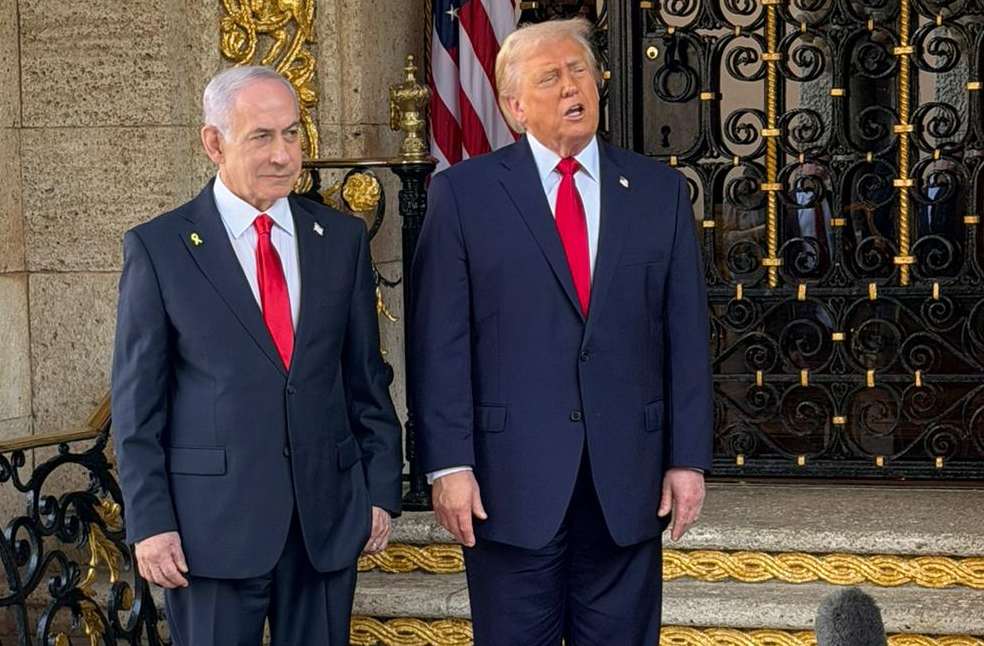
Speaking at the annual Conference of Presidents of Major American Jewish Organisations, Netanyahu said he had conveyed his position directly to US President Donald Trump during talks in Washington last week. Netanyahu expressed scepticism about the prospects of a deal but outlined what he described as non-negotiable requirements.
Netanyahu said any agreement must ensure that all enriched uranium is removed from Iran, that Tehran loses the ability to enrich uranium by dismantling equipment and facilities, and that its ballistic missile programme is addressed. He also called for what he described as ‘real, substantive inspections’ of Iran’s nuclear activities without advance notice.
His remarks came as Iranian Foreign Minister Abbas Araghchi travelled to Switzerland for a second round of nuclear negotiations with the US, following talks held earlier this month in Oman.
Negotiations resumed on February 6 after months of heightened tensions, including an Israeli bombing campaign against Iranian targets last June that escalated into a brief 12-day conflict. The United States later joined the strikes, targeting three Iranian nuclear sites.
Trump told reporters after meeting Netanyahu that no ‘definitive’ agreement had been reached on how to proceed with Iran, but emphasised that negotiations should continue to test whether a deal remains possible.
According to reports citing US officials, the two leaders agreed on the ultimate goal of preventing Iran from acquiring nuclear weapons capability but differed on the path forward. Netanyahu reportedly warned that a strong deal would be difficult to achieve, while Trump expressed optimism that diplomacy could still succeed.
Iran has consistently denied seeking nuclear weapons, saying its programme is for peaceful purposes. Tehran has indicated willingness to accept limits on its nuclear activities in exchange for sanctions relief, but has rejected linking negotiations to its missile programme.
Rising regional tensions
Diplomatic efforts are unfolding against a backdrop of escalating military pressure. Washington has deployed additional aircraft carriers to the Middle East, while Trump has warned of possible new strikes if talks fail. Iran, in turn, has threatened retaliation against US bases in the region in the event of an attack.
The standoff has heightened fears of a broader regional conflict, with analysts warning that miscalculation could trigger a wider war.
Netanyahu’s latest comments signal Israel’s continued hardline stance as negotiations enter a critical phase, underscoring the deep divisions that negotiators must bridge to secure any agreement.
POPULAR | Zelenskyy accuses Russia of delaying tactics before key negotiations
