


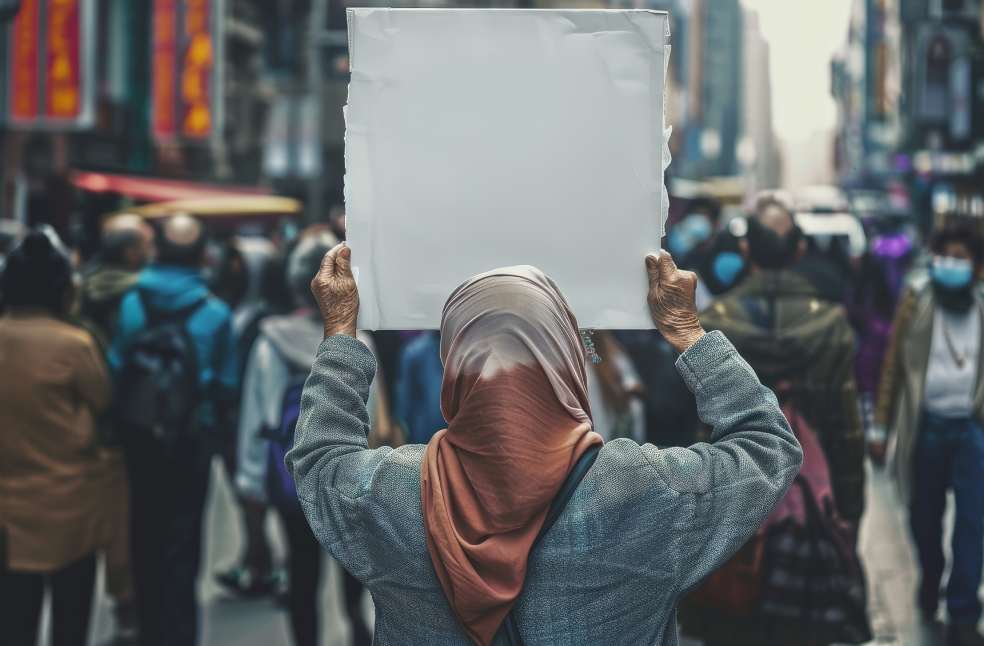
Kathmandu: Nepal has lifted its controversial social media ban after violent protests in the capital and beyond left at least 19 people dead and more than 100 injured.
The government’s decision came, following an emergency cabinet meeting, with Communications and Information Minister Prithvi Subba Gurung confirming that the move was made to ‘address the demands of Gen Z.’
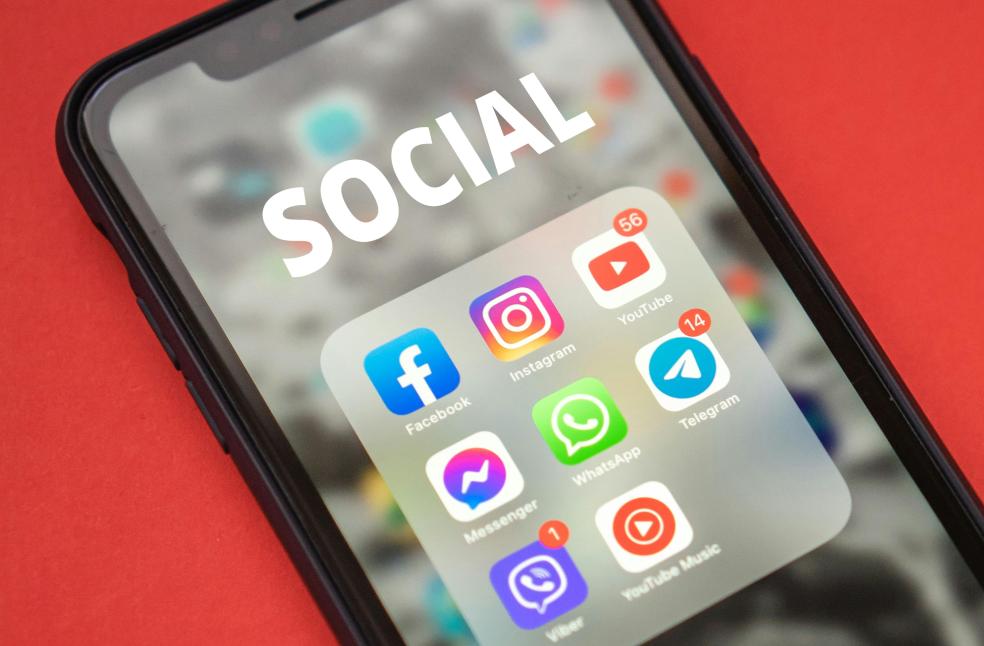
Thousands of young demonstrators had stormed into the parliament building in Kathmandu, demanding an end to the ban on 26 platforms, including Facebook, YouTube and Instagram. Protesters also called for urgent action against corruption, accusing the government of authoritarianism.
Police used water cannons, batons and rubber bullets to disperse crowds. Clashes escalated, with some protesters throwing stones at Prime Minister KP Sharma Oli’s residence in his hometown Damak. Prime Minister Oli expressed sorrow over the loss of life, blaming ‘vested interest groups’ for infiltrating the protests. Oli announced the formation of an investigative panel and pledged financial relief for victims and free medical treatment for the injured.
The unrest also triggered a political fallout, with Home Minister Ramesh Lekhak resigning with criticism over the use of force against demonstrators. The ban, imposed had been justified by authorities as a measure to curb fake news, hate speech and online fraud. Platforms were ordered to register with Nepal’s Ministry of Communication and Information Technology, but critics saw the move as an attempt to stifle dissent.
For many protesters, the social media restrictions were only part of the problem. Chants of ‘end corruption’ and the rise of a viral ‘nepo kid’ campaign, highlighting the lavish lifestyles of politicians’ children underscored deeper frustrations with governance in the country.
TOP PICKS | 5 killed in Jerusalem bus stop shooting, attackers neutralized
