


Washington: NASA has begun preventing Chinese nationals, even those with valid US visas, from participating in its programs, marking a significant policy shift that underscores the intensifying space rivalry between the United States and China.
“NASA has taken internal action on Chinese nationals, including restricting physical and cybersecurity access to our facilities, materials, and network to ensure the security of our work,” said NASA Press Secretary Bethany Stevens.
Chinese nationals were previously permitted to contribute to NASA projects as contractors or students, though not as direct employees. However, on September 5, several individuals reported that they had suddenly been locked out of IT systems and barred from attending in-person meetings. They spoke anonymously, citing concerns for their security and employment.
The move comes amid growing anti-China sentiment under President Donald Trump’s administration, as both nations compete to land astronauts on the moon.
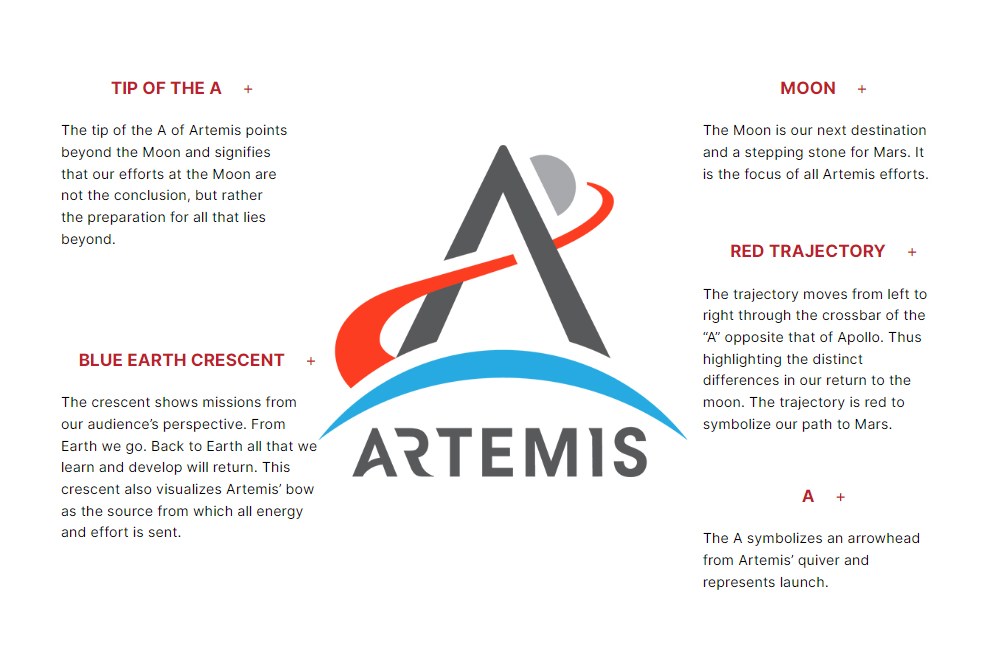
The US is pursuing its Artemis program, a follow-up to the Apollo missions of 1969–72, which is aiming for a 2027 lunar landing. The program, however, has faced repeated cost overruns and delays. China, in contrast, has committed to landing its ‘taikonauts’ on the moon by 2030 and has demonstrated stronger performance in meeting its space deadlines.
NASA’s acting administrator, Sean Duffy, framed the rivalry in stark terms during a Mars rover-related press briefing, “We’re in a second space race right now. The Chinese want to get back to the moon before us. That’s not going to happen. America has led in space in the past and we are going to continue to lead in space in the future.”
China’s ambitions extend beyond the moon. It is working toward becoming the first country to return samples from the Martian surface, with a robotic mission scheduled for launch in 2028 and a target return of Martian rocks by 2031.
Meanwhile, the Trump administration has signaled through its budget proposal that it plans to cancel the Mars Sample Return (MSR) mission, which is a joint effort with the European Space Agency. Instead, it has been suggested that the objective could be achieved by a future crewed mission, though no concrete plans or timelines have been provided.
ALSO READ | FDA to enforce rules on drug ads to ensure transparency
