


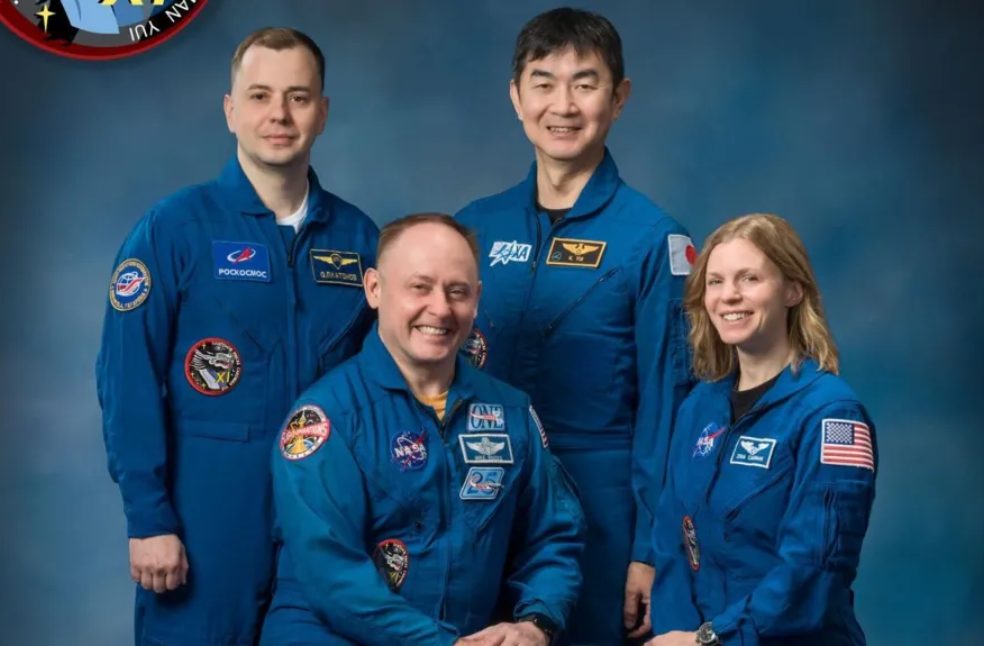
Washington: NASA has confirmed that it will shorten the mission of a four-member team aboard the International Space Station, marking the first early return in the orbiting laboratory’s history. NASA has explained that the move follows the identification of a serious medical condition affecting one astronaut, though the agency has not disclosed further details due to health privacy considerations.
At a news conference in Washington, NASA Administrator Jared Isaacman said that the situation does not amount to an emergency evacuation. A senior NASA official said that, the agency always prioritises astronaut health and has chosen to act conservatively.
Earlier in the week, NASA cancelled a planned spacewalk involving two astronauts, citing a medical concern. Officials have since clarified that the medical issue is not related to space operations and is not the result of an injury. An update on the return timeline has been expected within 48 hours, according to agency representatives.
The crew, known as Crew-11, consists of NASA astronauts Zena Cardman and Mike Fincke, Japan Aerospace Exploration Agency astronaut Kimiya Yui, and Russian cosmonaut Oleg Platonov. One American astronaut is set to remain on board the ISS alongside two Russian cosmonauts, ensuring that the station continues to be staffed above its minimum operational level.
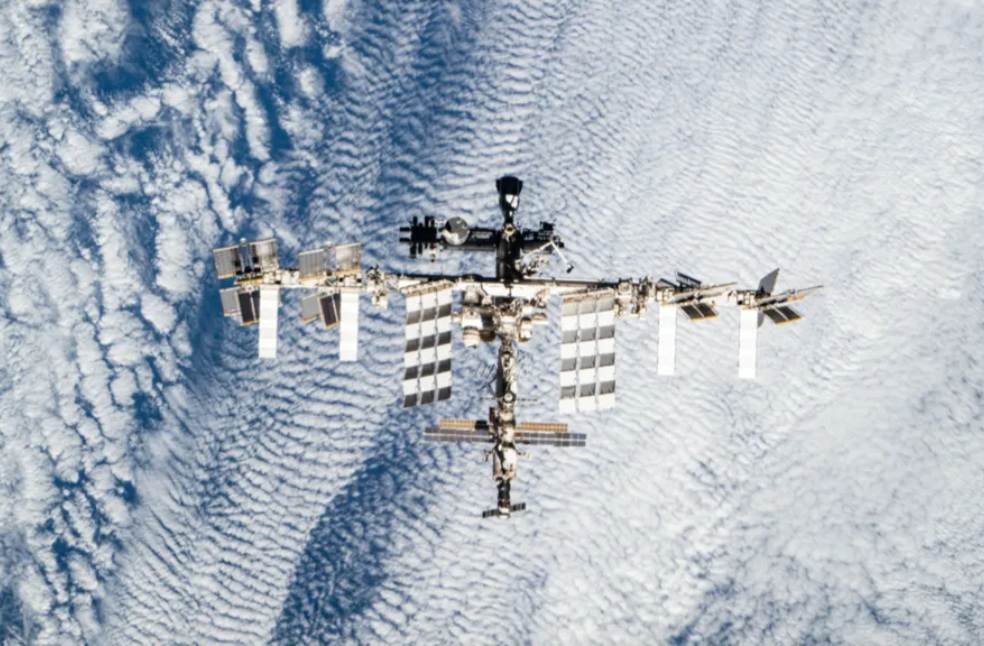
Dr James Polk, NASA’s chief health and medical officer, told reporters that, this is the first time in the agency’s more than 65-year history that a mission has returned early because of a medical issue. Crew-11 launched to the ISS in August last year aboard a SpaceX Crew Dragon spacecraft and had been scheduled to stay in orbit for around six months.
The ISS is equipped with basic medical tools and secure communication systems that allow doctors on Earth to consult with astronauts in orbit, assess conditions and recommend treatment. These systems have enabled NASA to manage health concerns remotely while planning a safe return.
Space scientists have noted that bringing the crew back early could delay some experiments and routine maintenance. Dr Simeon Barber from the Open University has said that the station is designed to operate with a minimum crew, meaning remaining astronauts may focus on essential operations until replacements arrive.
NASA has stressed that safeguarding astronaut wellbeing remains central to mission planning, even when it affects research timelines. The early return has underscored the agency’s cautious approach as human spaceflight continues aboard the International Space Station.
POPULAR | Apple faces India court fight over antitrust penalty law
