


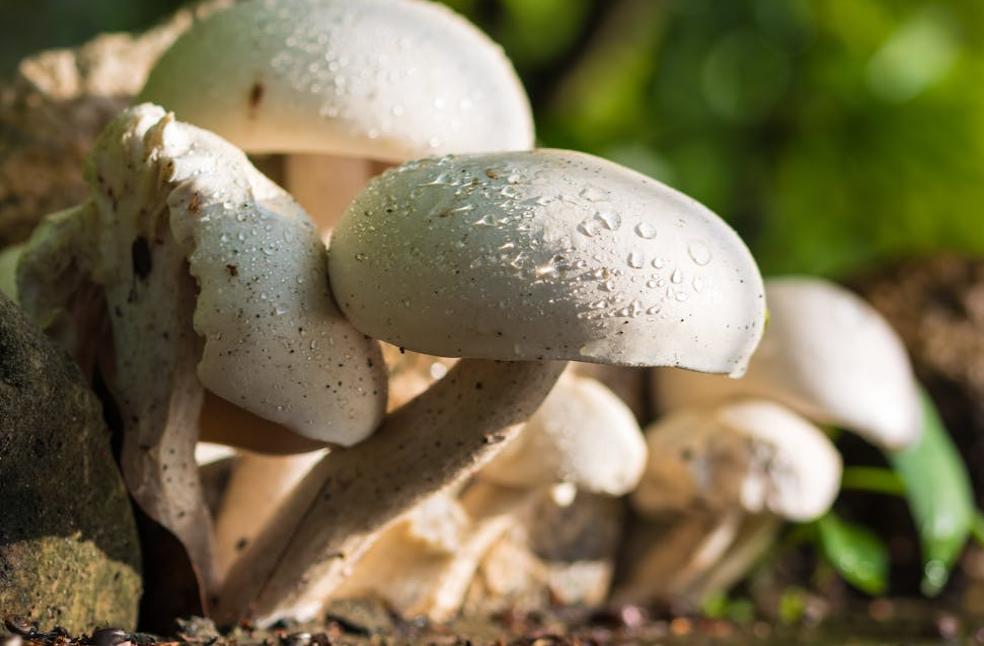
California: Mushroom poisoning cases have surged in California after a deadly outbreak linked to wild foraging has claimed one adult life and caused severe liver damage in several others, including children.
State health officials have confirmed that at least 21 people have suffered amatoxin poisoning, most likely from death cap mushrooms that are commonly mistaken for edible varieties. The California Poison Control System has documented the cases in recent months, with authorities warning that the number could rise as wet weather conditions continue to fuel mushroom growth across the state.
Health officials have stated that one adult has died, while multiple patients have required intensive medical care, with at least one facing the possibility of a liver transplant due to extensive toxin-related damage. Death cap mushrooms have been identified as the likely source of the mushroom poisoning outbreak. These wild mushrooms contain potent amatoxins that can cause liver failure and death.
Experts have warned that the mushrooms closely resemble safe edible species in both appearance and taste, making visual identification unreliable for foragers. Several people became ill after consuming mushrooms collected from a public park in Monterey County, according to local authorities. Additional cases have been recorded in the San Francisco Bay Area.
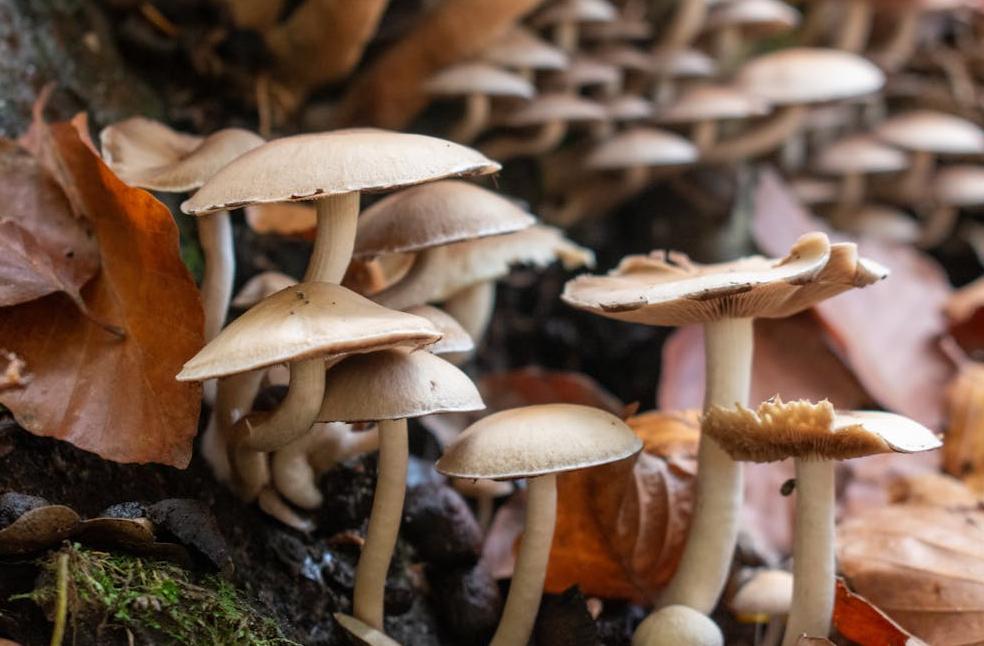
State officials have stressed that the risk is not confined to a single region and applies statewide, particularly during periods of increased rainfall. National data has underscored the scale of the problem. In 2023, more than 4,500 cases involving exposure to unidentified mushrooms were reported to poison centres across the United States.
Roughly half of these incidents involved young children, who may consume mushrooms accidentally while playing outdoors. Health experts have explained that mushroom poisoning symptoms often appear within 24 hours and include nausea, vomiting, diarrhoea and stomach cramps.
While gastrointestinal symptoms may temporarily improve, delayed liver damage can develop days later, increasing the risk of serious complications if treatment is delayed. The California Department of Public Health has advised residents not to forage for wild mushrooms under any circumstances during the current high-risk season.
Officials have emphasised that cooking does not destroy mushroom toxins and that colour, smell or preparation methods cannot make wild mushrooms safe to eat. Anyone suspected of mushroom exposure has been urged to immediately contact the poison control hotline for medical guidance.
TOP PICKS | Putin arrives in Delhi for summit talks aimed at boosting trade
