


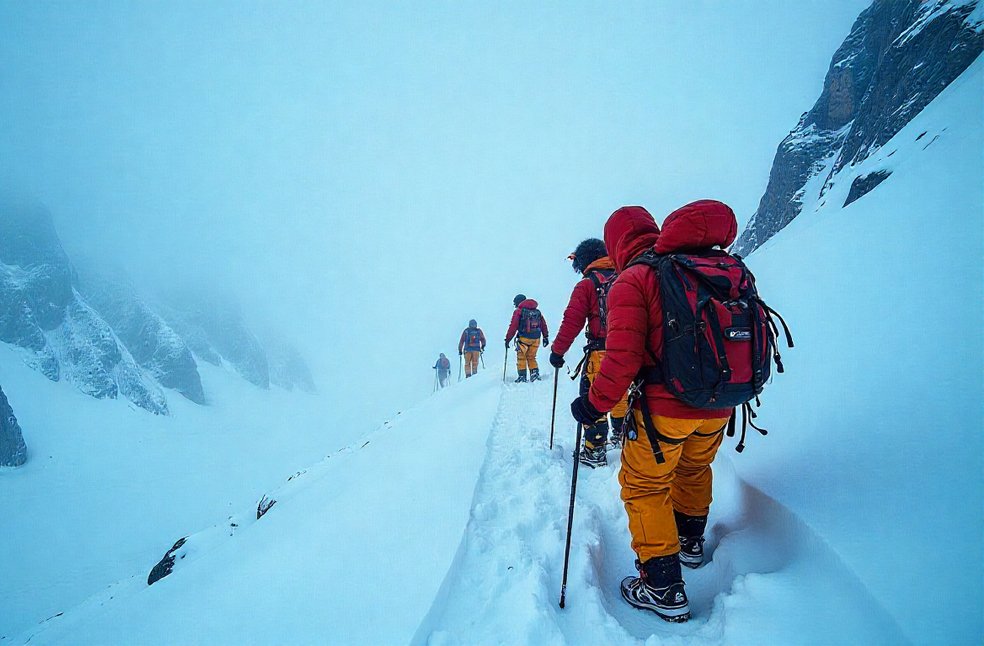
Tingri, Tibet: Rescue operations are underway on Mount Everest after a powerful snowstorm trapped nearly 1,000 people in campsites along the mountain’s eastern side in Tibet, according to the media.
The blizzard, which struck during China’s eight-day National Day holiday, left hundreds of trekkers stranded near the eastern Kangshung face of Everest, though many have since been guided to safety by rescue teams.
As of October 5, around 350 people had reached the small township of Qudang, while contact had been established with over 200 others, China Central Television (CCTV) reported. The region was inundated with unusually heavy precipitation, including rain and snow, that pummelled the Himalayas throughout the weekend.
Visitors had flocked to the remote Karma Valley, which leads to the eastern face of Everest, to take advantage of the national holiday. However, the snowfall, which started on the evening of October 3 and continued through October 4, quickly turned dangerous in the high-altitude valley, situated at an average elevation of 4,200 metres (13,779 feet).
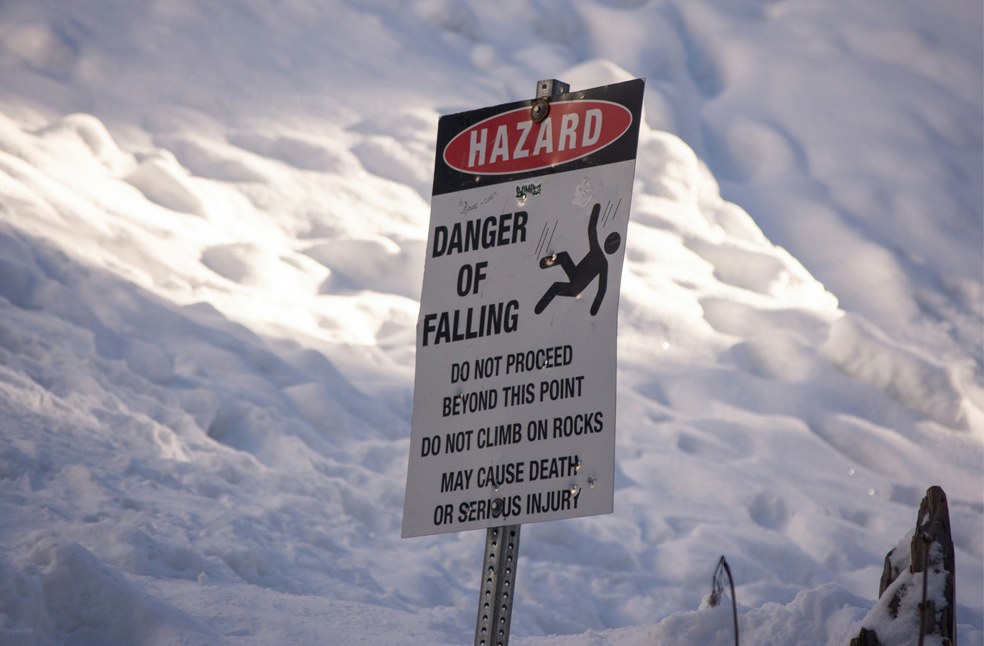
“It was so wet and cold in the mountains, and hypothermia was a real risk,” said Chen Geshuang, a member of an 18-person trekking team that made it safely to Qudang. Geshuang added that this year’s weather had been highly unusual, with their guide remarking he had never encountered such extreme conditions in October, noting that the storm had come on ‘all too suddenly.’
CCTV reported that the remaining trekkers would be brought to Qudang in phases under the guidance of rescuers coordinated by local authorities. Hundreds of local villagers and rescue teams have been mobilized to clear snow-blocked routes leading to the area, according to state-backed Jimu News, which estimated that nearly 1,000 people had initially been trapped.
The CCTV report did not clarify whether local guides and support staff accompanying the trekking groups were included in that number, nor did it confirm whether trekkers on the north face of Everest, also in Tibet, had been affected.
Members of Chen’s trekking party described enduring an evening of heavy snowfall, thunder, and lightning before finally descending to the village on Sunday, where they were greeted by residents offering warmth and food after their ordeal.
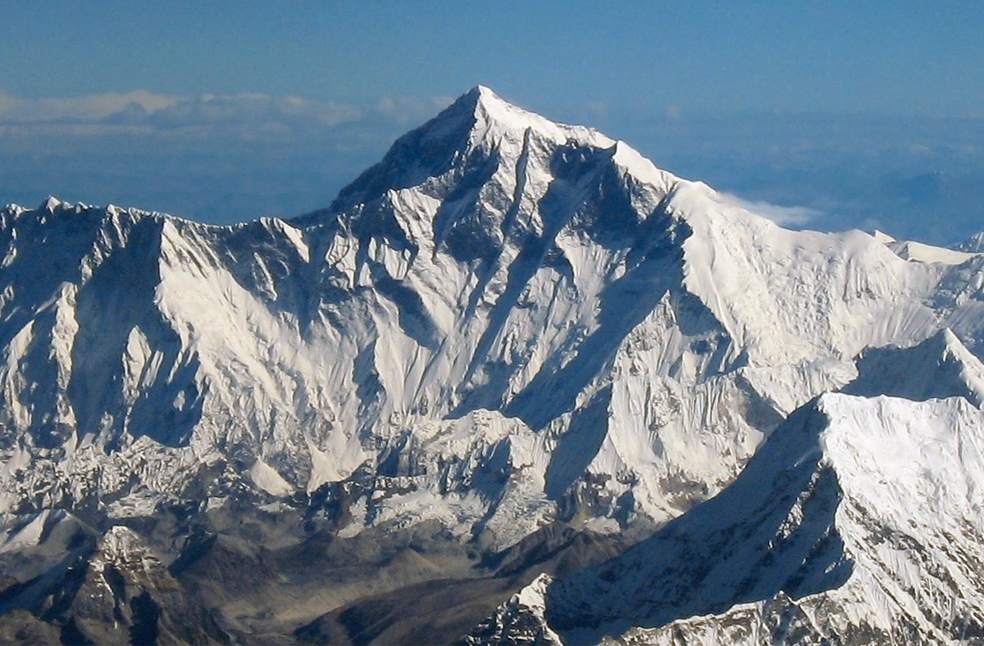
The north face of Everest, renowned for its accessibility via a paved road, attracts thousands of tourists each year. October is considered one of the best months for travel to the region, as the skies usually clear following the end of the Indian monsoon season.
However, in response to the storm, ticket sales and entry to the entire Everest scenic area were suspended, according to official notices posted on the Tingri County Tourism Company’s WeChat account.
Meanwhile, to the south of Tibet in Nepal, the same weather system has caused devastating landslides and flash floods, killing at least 47 people since October 3. In eastern Nepal’s Ilam district, bordering India, 35 people were confirmed dead in separate landslides. Additionally, nine people remain missing after being swept away by floodwaters, and three others were killed in lightning strikes in different parts of the country.
Authorities on both sides of the Himalayas continue to monitor the situation as search and rescue teams work to bring the remaining trekkers to safety and assess the full extent of the storm’s impact across the region.
ALSO READ | UK to grant Police new powers to limit repeated Gaza protests
