


Redmond, Washington: A major transition awaits millions of computer users as Microsoft officially ends support for its Windows 10 operating system on October 14, marking the end of nearly a decade of updates and improvements.
After this date, Microsoft will no longer issue security updates, bug fixes, or technical support, leaving devices that still run on Windows 10 at a higher risk of malware, viruses, and cyberattacks.
The tech giant is urging users to upgrade to Windows 11, which remains available as a free upgrade for compatible PCs. However, many older computers do not meet the system requirements for Windows 11, potentially forcing users to purchase new devices despite their existing machines working properly.
Who needs to take action?
According to Microsoft, Windows powers more than 1.4 billion devices worldwide, with Statcounter reporting that 43 percent of these still used Windows 10 as of July 2025. In the UK, consumer watchdog Which? estimates that around 21 million people are still running Windows 10.
A September survey by the organisation found that about 25 percent of users plan to keep using the system even after support ends, while one in seven expect to buy new hardware. Criticism has emerged from consumer and environmental advocacy groups, who argue that ending support will contribute to unnecessary spending and e-waste.
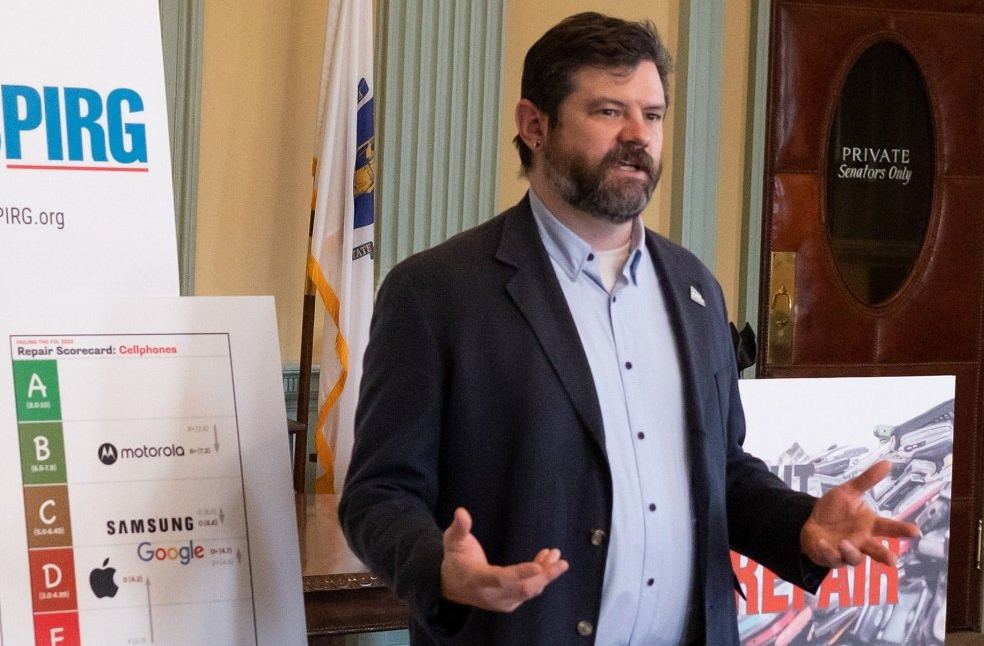
Nathan Proctor, Senior Director at the Public Interest Research Group (PIRG) in the US, called the move ‘a disaster for both consumers and the environment,’ also added that, “People are tired of living in a world filled with short-lived devices we can’t fix. We deserve tech that lasts.”
How to prepare for change
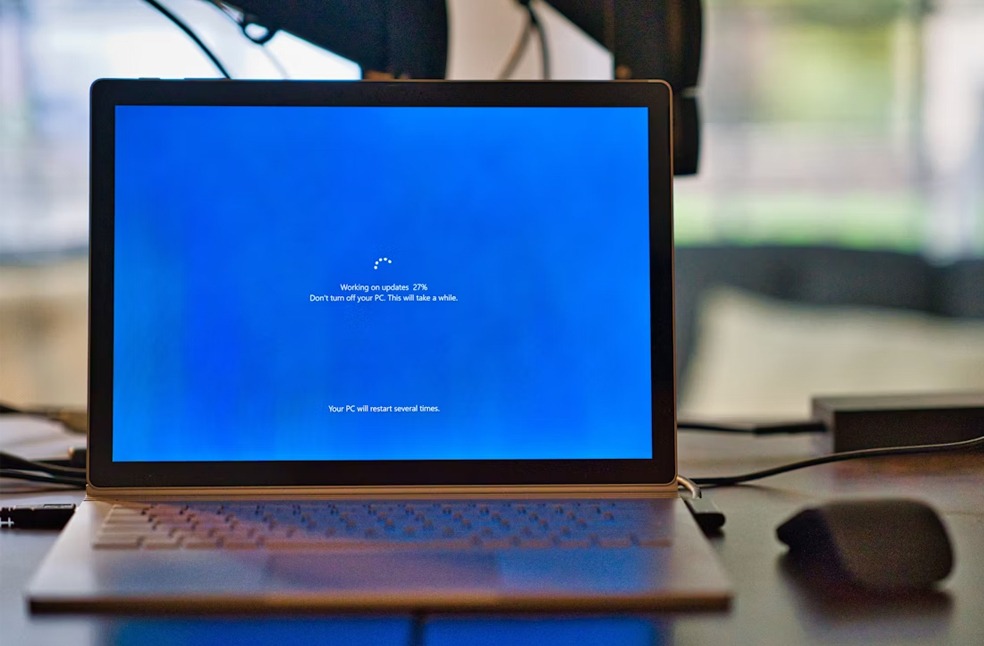
Experts have also pointed out that Microsoft’s increasing reliance on accounts for both Windows 11 and ESU schemes could deter users who prefer greater privacy or wish to operate without linking personal data to a Microsoft account.
With the end of Windows 10 approaching, Microsoft emphasises the importance of upgrading or securing extended protection to maintain digital safety and compliance in an evolving cybersecurity landscape.
ALSO READ | Maria Corina Machado wins 2025 Nobel Peace Prize
