


Columbia: Measles has become a growing public health concern in South Carolina after at least 88 new cases were reported, taking the total number of infections in the state to 646 since October.
Health officials have confirmed that more than 500 people, including students from 15 schools, have been placed under quarantine after exposure to the virus. The outbreak is now considered the most serious in the state in decades and is the worst since Texas recorded more than 700 cases in 2025.
Measles is one of the most contagious diseases in the world and spreads easily through the air when an infected person coughs or sneezes. Up to 90 percent of unvaccinated people who come into close contact with an infected individual can become ill.
The virus can cause serious complications such as pneumonia and swelling of the brain, and there is no specific antiviral treatment once infection occurs. Medical care focuses mainly on managing symptoms and preventing complications.
South Carolina officials have reported that the outbreak is centred in Spartanburg, a town with a population of about 39,000 people. The spread has extended beyond schools and into higher education institutions, with cases confirmed at Clemson University and Anderson University. Dozens of students at these universities are currently in quarantine as health authorities work to limit further transmission.

The Measles situation is particularly alarming because the United States declared the disease eliminated in 2000, meaning it no longer spread continuously within the country. However, elimination status can be lost if sustained transmission occurs for more than 12 months.
The current outbreak, combined with similar surges in other states, has raised fears that the country is approaching that threshold. Over the past year, more than 2,000 measles cases have been reported nationwide, with Texas, Utah and Arizona also recording hundreds of infections.
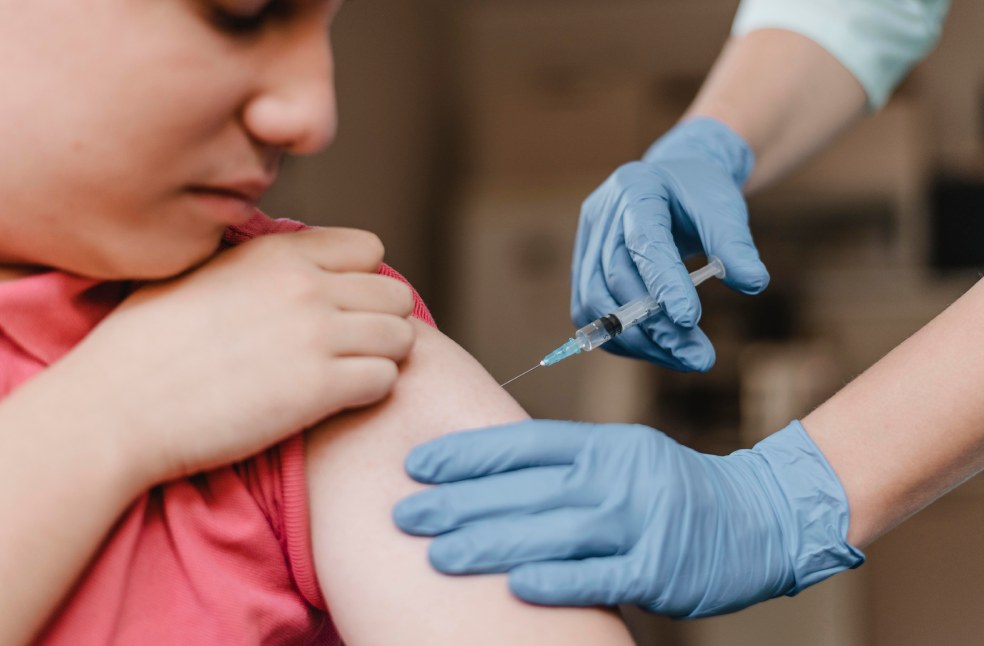
Vaccination remains the most effective protection against measles. Two doses of the MMR vaccine are proven to be 97 percent effective at preventing infection and significantly reduce the severity of illness. To achieve herd immunity, around 95 percent of the population must be vaccinated.
Public health experts have also expressed concern about mixed messaging around vaccination. The rise in measles cases has coincided with statements from Health Secretary Robert F Kennedy Jr that have downplayed both the seriousness of the disease and the importance of vaccines.
Although Kennedy has at times supported vaccination, the promotion of unproven treatments and unsubstantiated claims about vaccine safety has created confusion and weakened public confidence. Health authorities have stressed that measles can only be controlled through high vaccination coverage and timely public health interventions.
POPULAR | Gold prices surge as tariff threats shake global markets
