


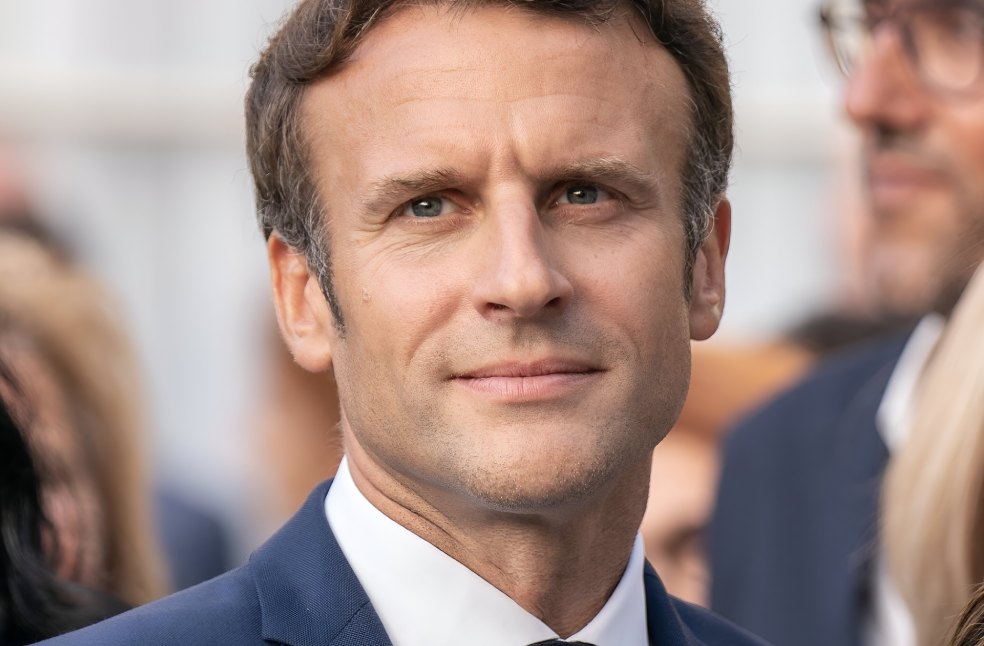
Paris: France’s President Emmanuel Macron has announced a new government lineup in an attempt to steer the country out of a deepening political crisis, while opposition parties immediately warned that the administration could be short-lived if it failed to break with his past policies.
The new cabinet, presented nearly a month after the appointment of Prime Minister Sébastien Lecornu, aims to ensure cross-party backing in an increasingly fractured National Assembly. Lecornu – Macron’s seventh prime minister – named Roland Lescure, a longtime Macron ally and former Socialist, as finance minister in what observers viewed as a symbolic gesture toward the left ahead of tense budget negotiations.
However, the move did little to appease opposition lawmakers. The hard-left France Unbowed party said it would immediately file a no-confidence motion, accusing Macron of recycling the same political faces and policies that voters had already rejected.
Annonce de la composition du Gouvernement. pic.twitter.com/qF6cHXj61L
— Élysée (@Elysee) October 5, 2025
Lecornu, 39, will outline his government’s policy agenda in a major speech, his first major test as he attempts to navigate a parliament divided between Macron’s centrist minority, the far right, and the left. All three blocs could topple the government if they unite against it during the upcoming budget debates, which have already grown increasingly contentious.
Two of Lecornu’s predecessors, François Bayrou and Michel Barnier, lost their posts over clashes with parliament concerning public spending cuts, leaving the new prime minister under heavy scrutiny from both investors and rating agencies worried about France’s ballooning deficit, now the largest in the eurozone.
In the reshuffled cabinet, former finance minister Bruno Le Maire moves to the defence portfolio, where he will shape France’s strategic response to security challenges in Europe amid renewed US pressure for the EU to take greater responsibility for Ukraine’s defence. Key ministers such as Jean-Noël Barrot (foreign affairs), Bruno Retailleau (interior), and Gérald Darmanin (justice) remain in place.
Opposition figures from both the far right and the left dismissed the reshuffle as mere continuity. Jordan Bardella, head of the far-right National Rally stated that, “It’s either a break with the past or a vote of no confidence.”
Hard-left MP Eric Coquerel echoed the criticism, saying Macron had again imposed a government of losers and policies rejected at the ballot box. Meanwhile, Lescure faces a delicate balancing act as he seeks to win Socialist support while maintaining Macron’s pro-business legacy. To woo the left, Lecornu has floated the idea of reviving a wealth tax and pledged not to use constitutional powers to pass the budget without a vote — though Socialists said the proposals were not enough.
As Macron resists opposition calls for an early presidential election, the new government’s survival will hinge on Lecornu’s ability to bridge France’s deep ideological divides and deliver a policy shift convincing enough to keep the fragile centrist bloc afloat.
TRENDING | UK electric vehicle sales hit record high in September
