


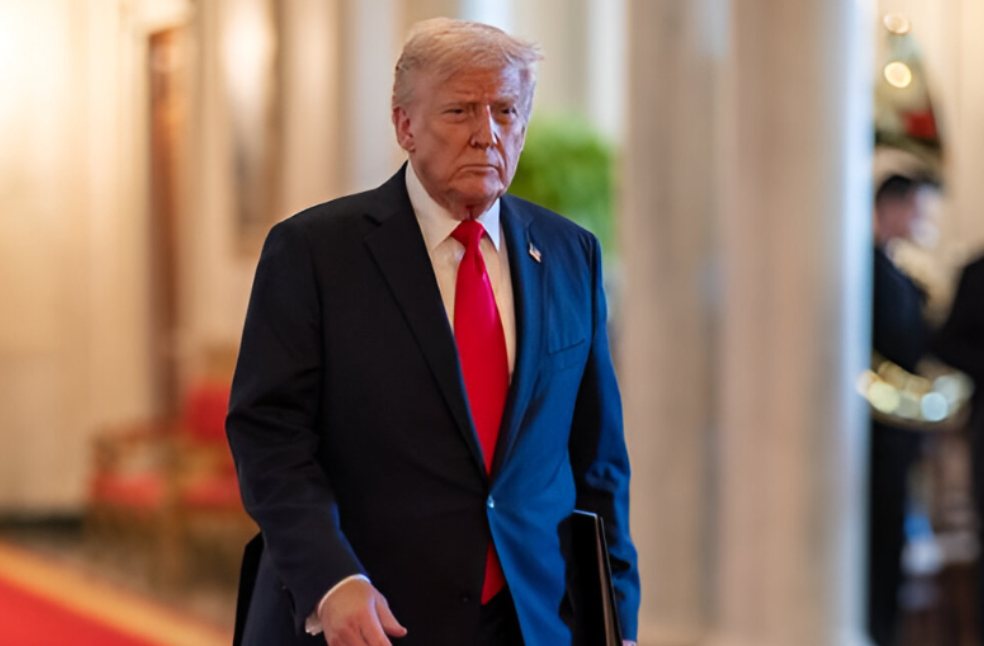
Washington: The longest government shutdown in US history ended after more than 42 days, following the House of Representatives’ passage of a compromise bill negotiated between Republicans and a group of moderate Democratic senators.
The agreement, already cleared by the Senate, allows government operations to resume through January but leaves unresolved a major sticking point, the extension of Affordable Care Act (ACA) tax credits, commonly known as Obamacare subsidies, which Democrats had demanded as part of any deal to reopen the government.
President Trump signs bill to OFFICIALLY reopen the government, ending the Democrat Shutdown.
Let’s get our country WORKING again. 🇺🇸 pic.twitter.com/QJqX90k9sC
— The White House (@WhiteHouse) November 13, 2025
US President Donald Trump signed the bill, declaring that, “We’re sending a clear message that we will never give in to extortion, because that’s what it was, the Democrats tried to extort our country.” The bill passed the House by a vote of 222–209, with two members not voting.
Six Democrats, Adam Gray (California), Tom Suozzi (New York), Marie Gluesenkamp Perez (Washington), Don Davis (North Carolina), Henry Cuellar (Texas), and Jared Golden (Maine) — broke ranks to support the measure. Two Republicans, Thomas Massie (Kentucky) and Greg Steube (Florida), voted against it.
Democrats, however, vowed to continue pushing for the ACA tax credits. The shutdown, which began on October 1, furloughed about 700,000 federal workers and forced hundreds of thousands of others, including military personnel and airport security officers, to work without pay. The Trump administration ordered widespread spending cuts, including halting the Supplemental Nutrition Assistance Program (SNAP) and reducing commercial air travel.
Transportation Secretary Sean Duffy ordered flight reductions as unpaid air traffic controllers faced increasing strain, leading to widespread cancellations at major US airports. The funding standoff represented the fiercest clash between Democrats and Republicans since Trump’s return to the White House earlier this year.
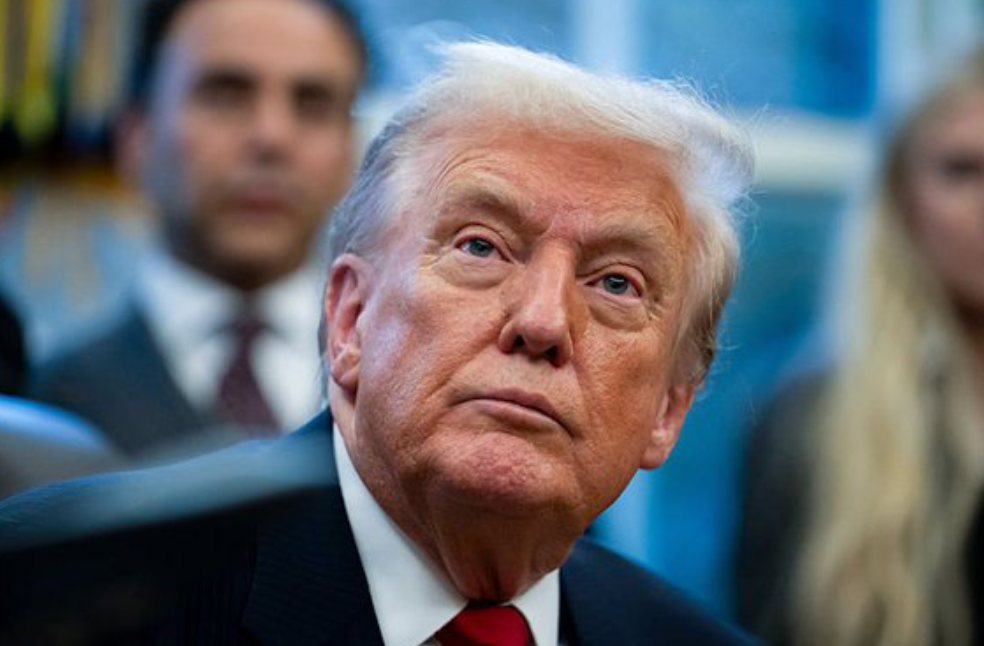
Democrats had used the funding deadline to demand the continuation of Obamacare tax credits established under Joe Biden’s presidency, which had reduced premiums for millions of Americans.
Republicans, who control both chambers of Congress, initially pushed a short-term funding measure that did not address the subsidies. The Democratic majority in the Senate blocked it through a filibuster, triggering the prolonged shutdown.
In early November, Democrats won key off-year elections in Virginia and New Jersey and secured favourable congressional maps in California, which they claimed vindicated their stance. Even Trump acknowledged the political setback, blaming the shutdown’s fallout for GOP losses.
Ultimately, moderate Senate Democrats brokered a compromise that restored government funding through January and reversed Trump administration layoffs, but it excluded any provision for extending the ACA subsidies. The deal, passed with 60 Senate votes, included eight from the Democratic caucus.
The issue is far from resolved. Without the subsidies, premiums under ACA plans are set to rise by an average of 26 percent, potentially making coverage unaffordable for many Americans. With the new funding deadline approaching at the end of January, Democrats are expected to reignite their push for extending the ACA tax credits.
MOST READ | IEA warns global oil and gas demand may grow until 2050
