


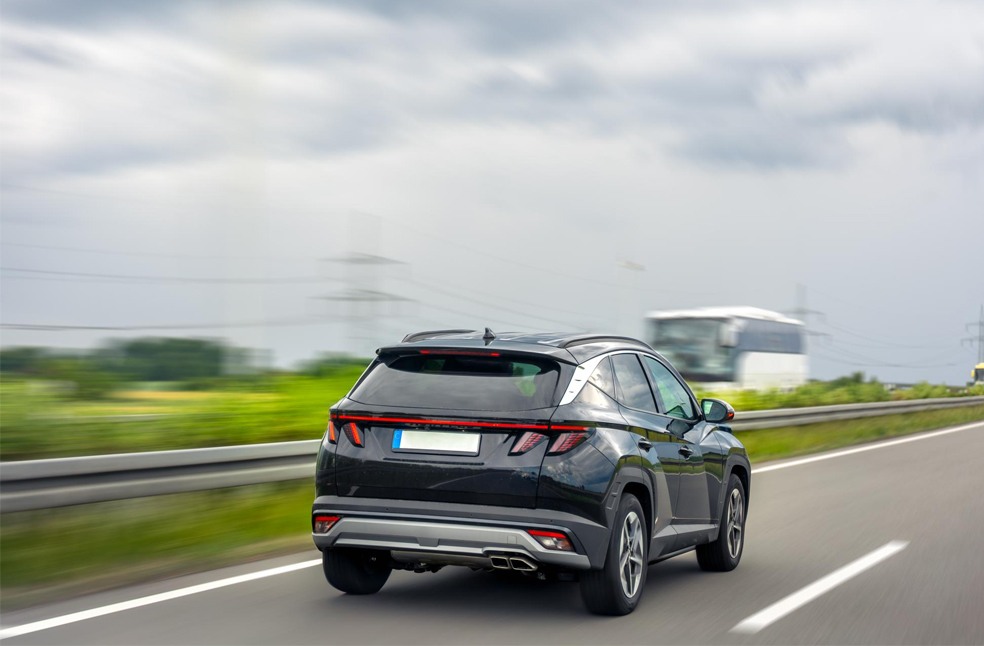
London: Owners of large sport utility vehicles (SUVs) could face new charges to drive in London as authorities review the risks posed by bigger and heavier cars on city roads.
The move comes as Transport for London (TfL) and the office of Sadiq Khan examine the growing safety concerns linked to oversized vehicles. Proposals targeting the largest cars could be introduced later this year as part of wider efforts to reduce road deaths in the capital.
A report warned that SUVs present increased dangers to pedestrians and other road users, with children facing a particularly high risk of fatal injuries in collisions.
The issue was highlighted in the latest update to London’s Vision Zero strategy, the city’s long-term plan aimed at eliminating fatal road accidents. Alongside reviewing the impact of SUVs, TfL is also preparing measures to expand 20mph zones and reduce speed limits on the fastest roads under its control from 50mph to 40mph in an effort to improve safety.
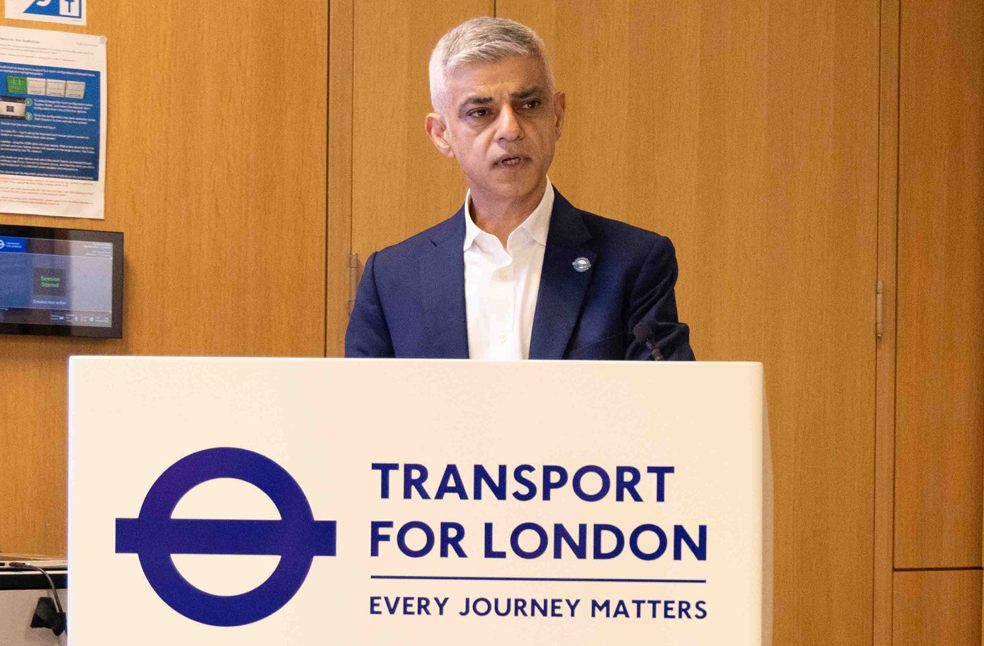
The Vision Zero update stated that TfL will continue developing a strong evidence base on the risks posed by oversized vehicles and consider how its existing powers could address their safety, congestion, and environmental impacts.
Previous research has shown that adults walking or cycling are 14 per cent more likely to die in a collision involving an SUV compared with smaller cars. For children, the risk is significantly higher, with fatalities 77 per cent more likely when an SUV is involved. For children under the age of nine, the risk of death is three times greater if struck by an SUV rather than a smaller vehicle.
Experts say the size and design of these vehicles play a major role in the increased danger. Pedestrians hit by SUVs are more likely to be struck at head height or in vital organs, and instead of landing on the bonnet as with smaller cars, they are more likely to be thrown into surrounding traffic.
SUV sales have risen sharply in the UK compared with many other European countries, where higher taxes are often imposed on heavier and larger vehicles. A recent study by Transport & Environment found that more than half of cars sold in the UK are now too large to fit into a standard street parking space.
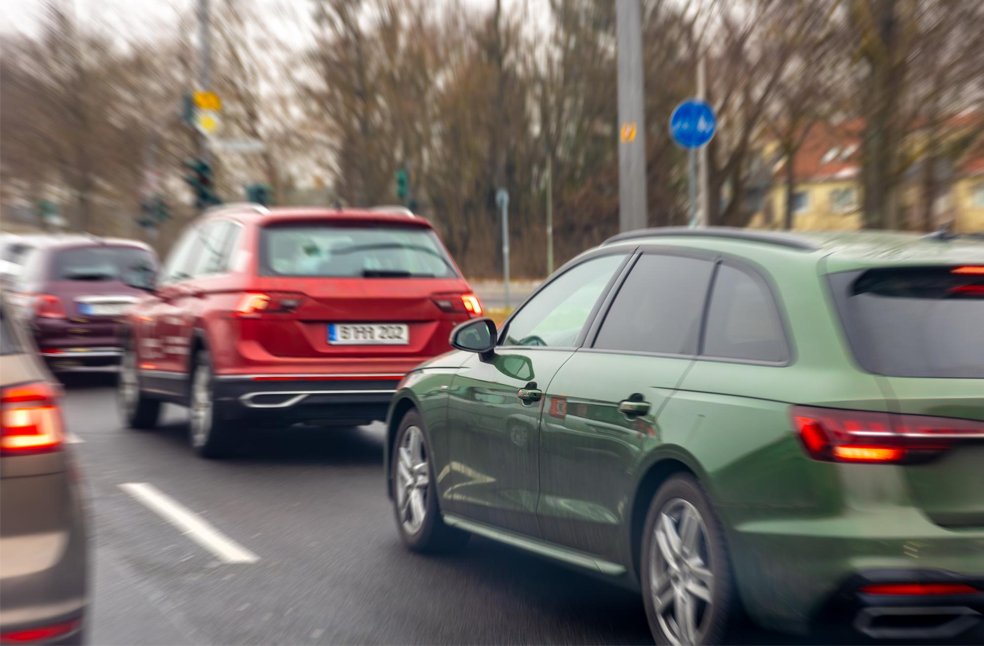
In Cardiff, councillors recently voted to introduce additional parking charges for SUVs, making it the first UK city to take such a step. The proposal suggests higher parking permits for these vehicles to compensate for their larger footprint, greater road damage, and higher emissions.
A spokesperson for the mayor said that TfL had been asked to conduct a detailed analysis of the safety risks associated with large SUVs and their wider effects on London’s roads. The findings could help shape future policies in the city or recommendations to the national government and the automotive sector.
Oliver Lord, UK head of Clean Cities, said that vehicles are getting larger each year while city streets remain the same size. Lord warned that supersized SUVs occupy more road space and pose increased risks to children crossing the street.
Under TfL’s wider road safety plan, authorities aim to make 20mph the default maximum speed across much of London. The plan includes converting an additional 35 miles of roads currently set at 30mph by 2030, although many streets remain under the control of local borough councils.
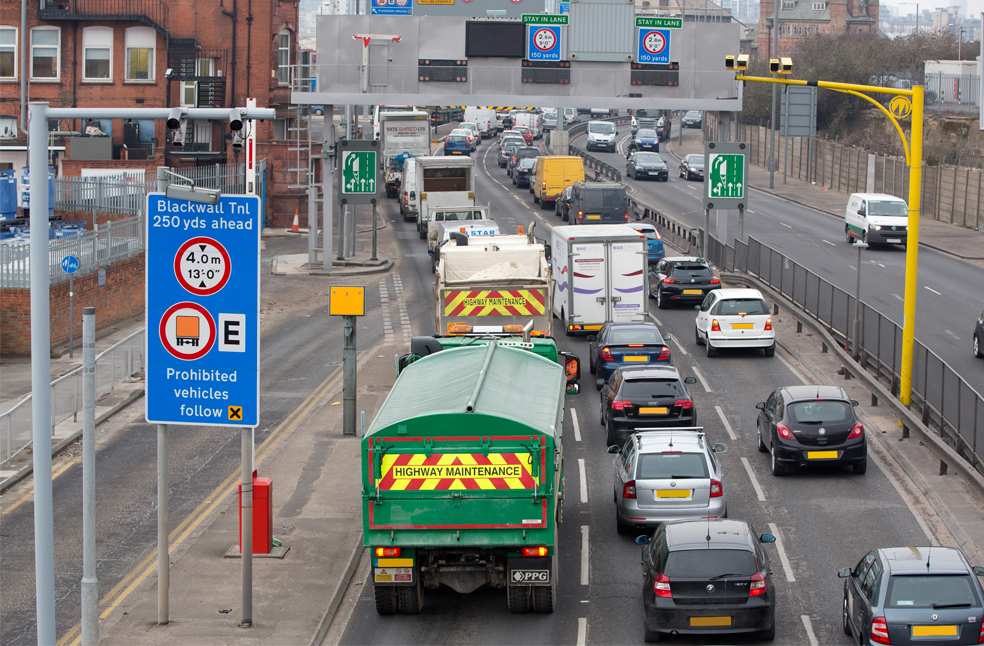
TfL also intends to reduce the default speed limit on major strategic roads it manages, including the North Circular Road, from 50mph to 40mph by 2035.
Road safety data shows that deaths and serious injuries on London’s roads have fallen by nearly a quarter over the past decade. In 2024, the city recorded its lowest number of serious road casualties outside the pandemic years of 2020 and 2021.
TfL said the figures demonstrate that London’s streets have become safer at a faster rate than the rest of the country, with about half the number of road accident casualties recorded in Greater Manchester.
Jason Killens, Chief Executive of the London Ambulance Service, noted that vulnerable groups such as children and older people remain the most at risk on the roads. He added that many of the serious injuries and fatalities treated by emergency services are particularly tragic because they are often preventable.
ALSO READ | ICO and Ofcom warn social media firms over child safety
