


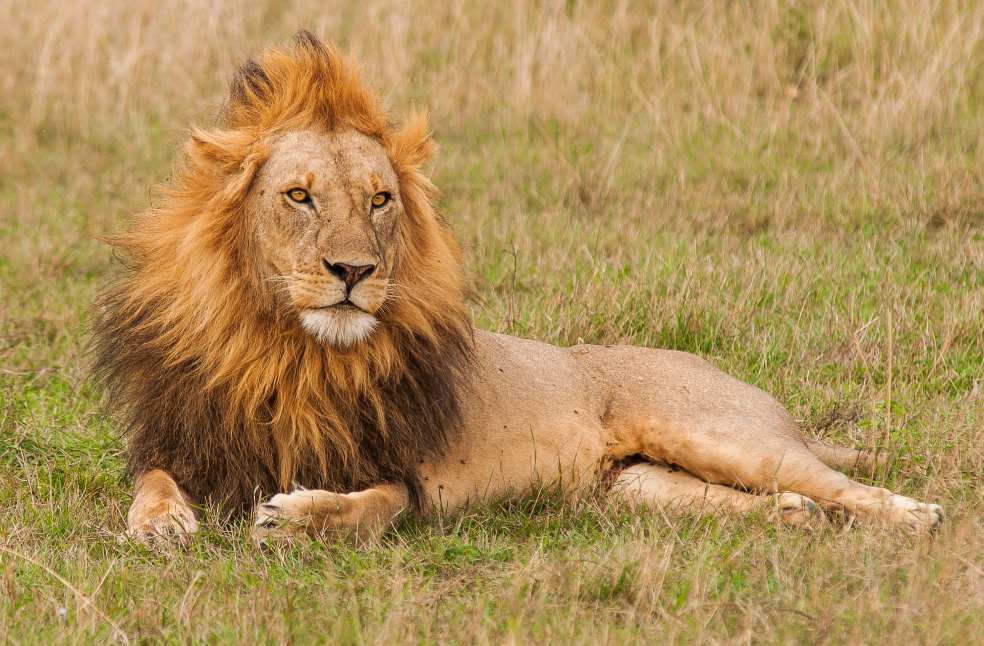
Zimbabwe: DNA from an individual lion has been used to successfully prosecute poachers for the first time anywhere in the world.
Authorities revealed that forensic analysis linked body parts found in a suspect’s village directly to a specific lion that had been tracked in Hwange National Park. The male lion had been fitted with a radio collar as part of an ongoing monitoring programme in Zimbabwe.
Suspicion arose in May 2024 when the collar suddenly stopped transmitting. Investigators traced its last known location and discovered a snare with lion fur attached, prompting a full forensic investigation. Police later questioned two men in a nearby village, where they uncovered three sacks of meat, 16 claws, and four teeth.
DNA extracted from these remains was matched to a blood sample previously collected from the collared lion, enabling scientists to identify the exact animal, a critical step that transformed the case. The investigation details were disclosed by wildlife trade monitoring group Traffic, which described the case as a major advance in combating illegal wildlife crime.
Previously, possession of lion parts in Zimbabwe could be explained as traditional ornaments or items from animals that died naturally, making prosecutions difficult. The breakthrough came from a growing genetic database built by the Victoria Falls Wildlife Trust, funded in part by the People’s Postcode Lottery. Scientists compared DNA from the seized body parts with profiles stored in the database, achieving a precise match within days.
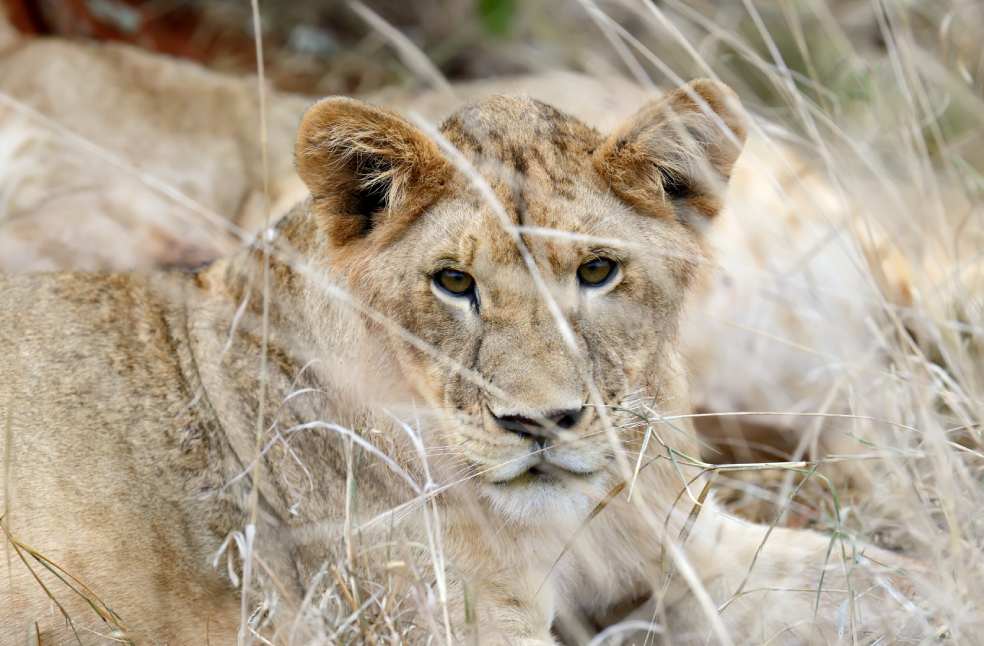
Within 10 days of the killing, the DNA evidence was presented in court. The two suspects pleaded guilty and were sentenced to 24 months in prison. The court heard the lion’s estimated value was about $20,000.
According to Richard Scobey, executive director of Traffic, the case demonstrates that countries now possess the forensic capability to present solid scientific evidence in wildlife prosecutions, a development he said could have a global impact.
Wildlife forensic expert Rob Ogden, co-founder of the conservation science group Trace, described the conviction as a message of hope, showing how research, training, and forensic casework can strengthen law enforcement.
The case comes amid growing concern over the illegal trade in lion parts, which are sold as cultural items in Africa and for traditional medicine markets in China. Experts believe organised crime networks involved in rhino horn and ivory trafficking are increasingly targeting lions as well.
Data highlights the scale of the crisis. In Mozambique, at least 426 lions were killed in human-related incidents between 2010 and 2023, with a quarter linked to deliberate poaching. Authorities have also made significant seizures, including 17 lion skulls discovered in Lusaka in 2021 and more than 300 kilograms of lion parts confiscated in Maputo in 2023, reportedly destined from South Africa.
Conservationists say the successful prosecution sends a powerful warning to poachers worldwide: advanced forensic science is rapidly closing the gap between wildlife criminals and justice.
POPULAR | Karachi building collapse after gas blast leaves 13 dead
