


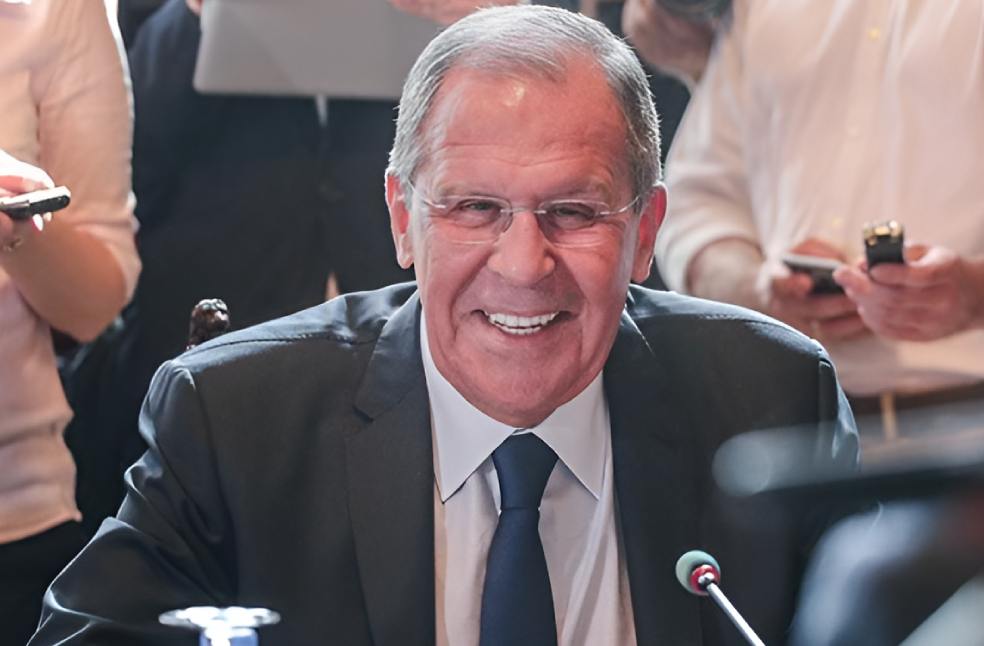
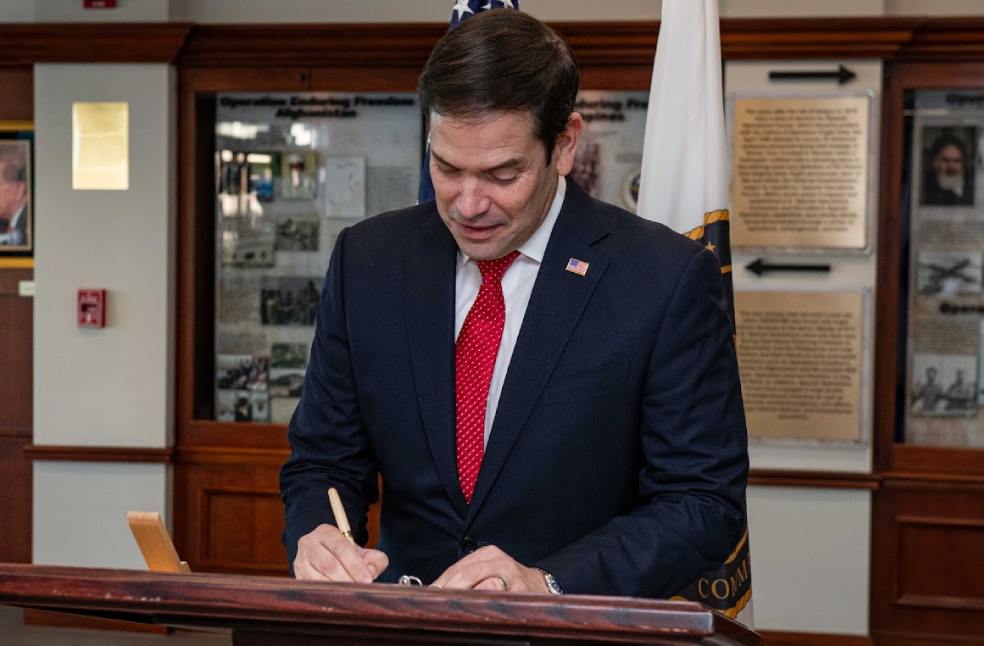
Malaysia: Russian Foreign Minister Sergey Lavrov and US Secretary of State Marco Rubio held back-to-back meetings on the sidelines of the ASEAN foreign ministers’ gathering in Malaysia’s capital, with Ukraine dominating the agenda.
The two officials met briefly, following a more extensive 50-minute discussion. Rubio revealed that the US and Russia are exploring what he called a ‘new and different approach’ to reviving stalled peace efforts in Ukraine.
Lavrov, for his part, reiterated Russia’s stance on the conflict. Lavrov remarked that, “We discussed Ukraine. We confirmed the position that Vladimir Putin had outlined, including in his July 3 conversation with Trump.” A statement from Russia’s Ministry of Foreign Affairs described the exchange as ‘substantive and frank,’ with discussions extending beyond Ukraine to include Syria, Iran, and wider global concerns.
The encounter comes with continuing geopolitical strain, with Moscow-Washington relations at a low point. Still, both sides signalled a willingness to keep lines of communication open. Russian Deputy Foreign Minister Sergey Ryabkov echoed that sentiment, pushing back against claims of deteriorating ties.
Ryabkov stated that, “I do not agree that the positive trend in relations between Moscow and Washington is fading. I think that the current US administration acts in a zigzag manner. We don’t dramatise over this.”
Rubio’s diplomatic push in Asia continued with a scheduled meeting with Chinese Foreign Minister Wang Yi—marking their first face-to-face talks since Rubio took office. The US Secretary of State is also participating in the East Asia Summit and ASEAN Regional Forum, which includes top officials from China, Japan, Russia, India, Australia, and the EU.
The meetings are taking place against a backdrop of intensifying US-China trade tensions. Beijing has warned Washington against reinstating sweeping tariffs next month, a move that has drawn sharp criticism from affected nations and economic observers alike. China has also threatened retaliation against countries aligning with US-led efforts to marginalise Beijing in global supply chains.
Adding further pressure to regional relations, new US tariffs targeting eight ASEAN countries—including host nation Malaysia—alongside key allies Japan and South Korea are slated to begin on August 1. The White House insists the tariffs are part of a broader plan to ‘rebalance trade,’ but analysts say the policy may jeopardise longstanding partnerships.
In a joint communique issued, ASEAN foreign ministers voiced concerns about rising global uncertainty and economic fragmentation. As the geopolitical chessboard continues to shift, a flurry of diplomatic activity underscores both the risks and opportunities in a world navigating multiple fault lines, from Ukraine to the South China Sea.
MOST READ | Starmer and Macron urge patience as populism gains ground
