


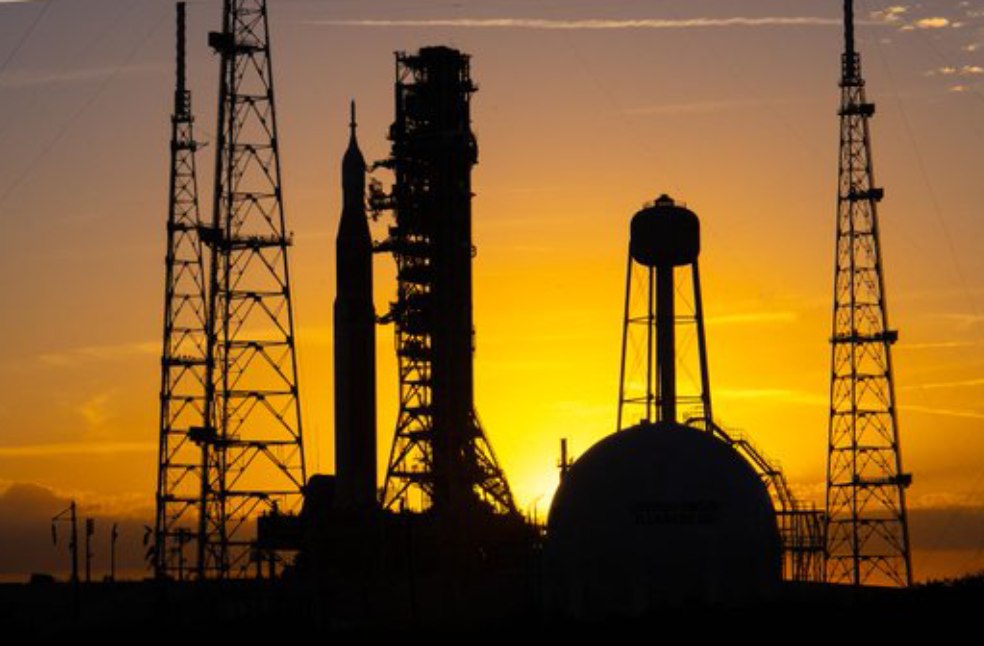
Florida: NASA has ruled out its planned March 6 launch window for the long-awaited Artemis II lunar mission after engineers detected critical issues during final routine checks, officials confirmed.
The mission set to send astronauts around the Moon for the first time in half a century, had appeared on track earlier in the week. However, Administrator Jared Isaacman announced that additional maintenance would now be required before liftoff can be approved.
The delay follows an unexpected interruption in the flow of helium, a gas essential for pressurising fuel tanks and cooling rocket systems. NASA considers any disruption to helium supply a serious technical concern that must be resolved before launch.
Setback after successful rehearsal
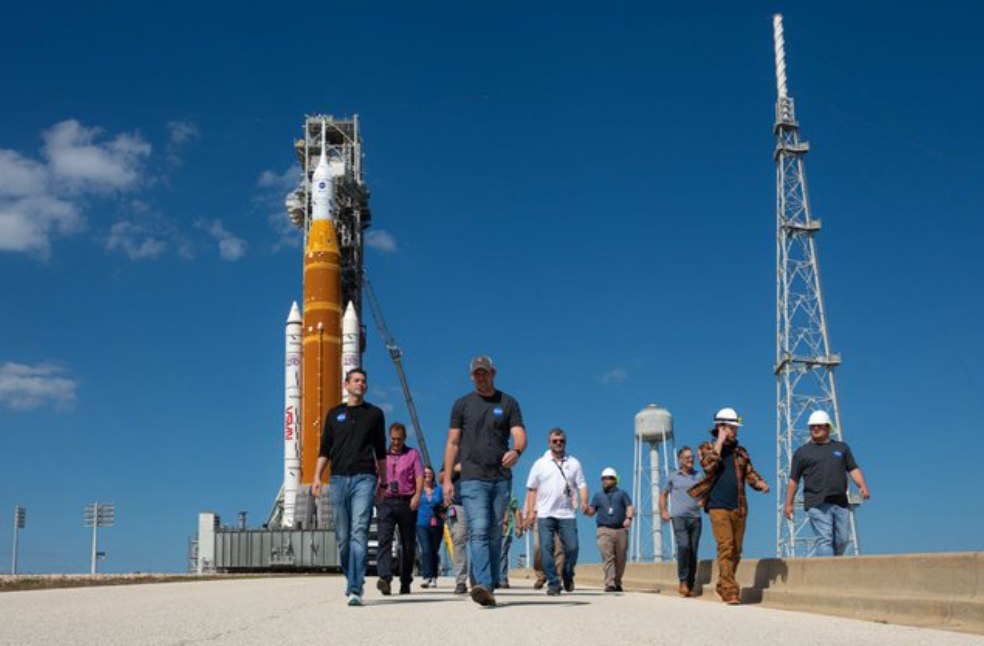
Engineers had completed nearly 50 hours of checks after a wet dress rehearsal at Kennedy Space Centre in Florida, initially reporting no major faults. The rocket was loaded with roughly 730,000 gallons of propellant in a simulation described by officials as a major milestone toward flight readiness.
The rehearsal was the second attempt after earlier tests uncovered hydrogen leaks linked to faulty filters and seals.
Historic journey planned
Artemis II will carry four astronauts on a 10-day mission around the far side of the Moon and back, humanity’s most distant crewed voyage into space. The crew includes three Americans, Reid Wiseman, Victor Glover and Christina Koch, along with Canadian astronaut Jeremy Hansen.
NASA acknowledged public disappointment but stressed that delays are common in complex space missions. Isaacman pointed to the aborted 1966 Gemini 8 flight commanded by Neil Armstrong, which suffered technical problems before Armstrong later made history on the Moon.
Pathway to lunar landing
If successful, the mission will clear the way for Artemis III, which aims to land astronauts on the lunar surface for the first time since 1972. NASA currently targets a landing by 2028, though officials caution the timeline remains ambitious.
The agency has not announced a new launch date but said the mission could proceed within weeks once repairs and additional testing are completed.
MOST READ | 18 killed in truck–pick-up collision in Egypt’s Port Said province
