


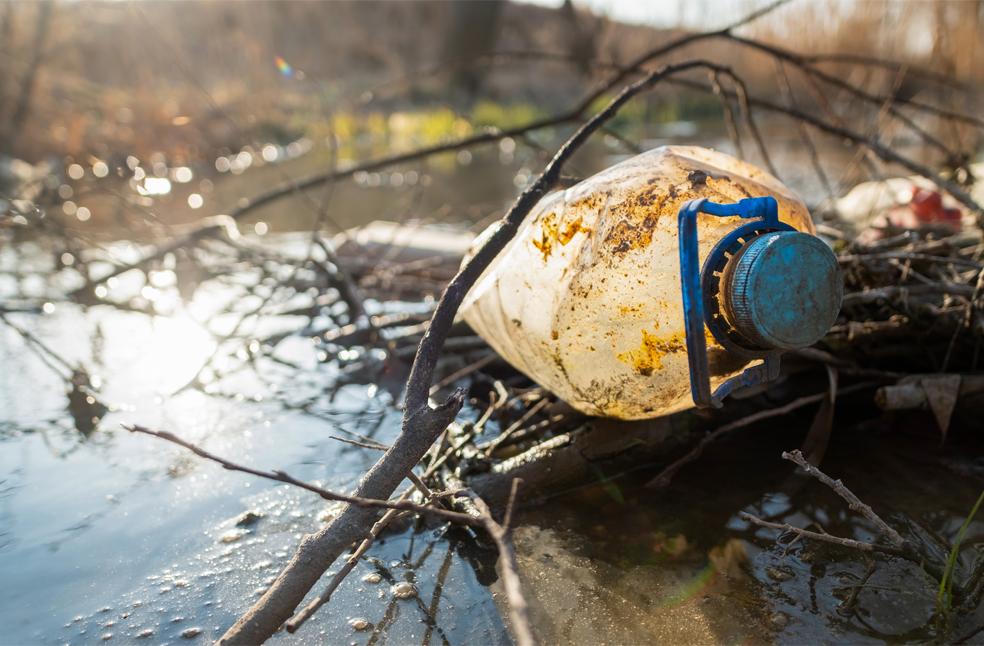
Geneva: Plastics have become a ‘grave, growing and under-recognised danger’ to both human health and the environment, with experts warning of a worsening plastics crisis in a major review published in the Lancet medical journal.
The comprehensive analysis warns that the world is in the midst of a ‘plastics crisis,’ responsible for disease and death from infancy through old age, with at least $1.5 trillion in annual health-related damages globally.
The plastics crisis is largely driven by the explosive increase in plastic production, which has surged more than 200-fold since 1950 and is projected to nearly triple by 2060, reaching over one billion tonnes annually. Although plastic plays a vital role in modern life, the fastest-growing use has been in single-use products such as beverage bottles and fast-food packaging, contributing significantly to waste and pollution.
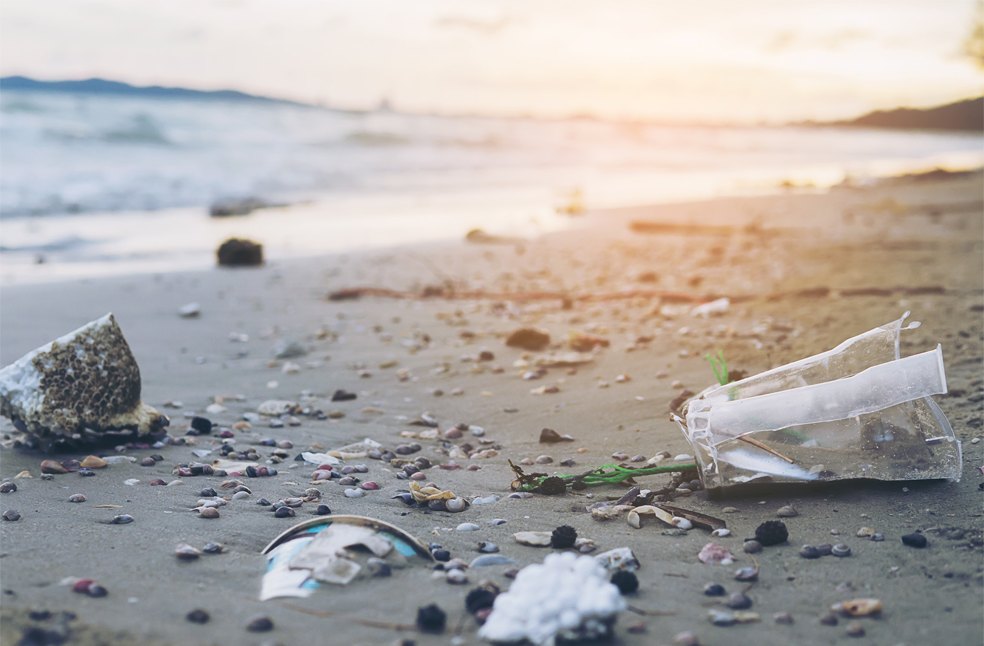
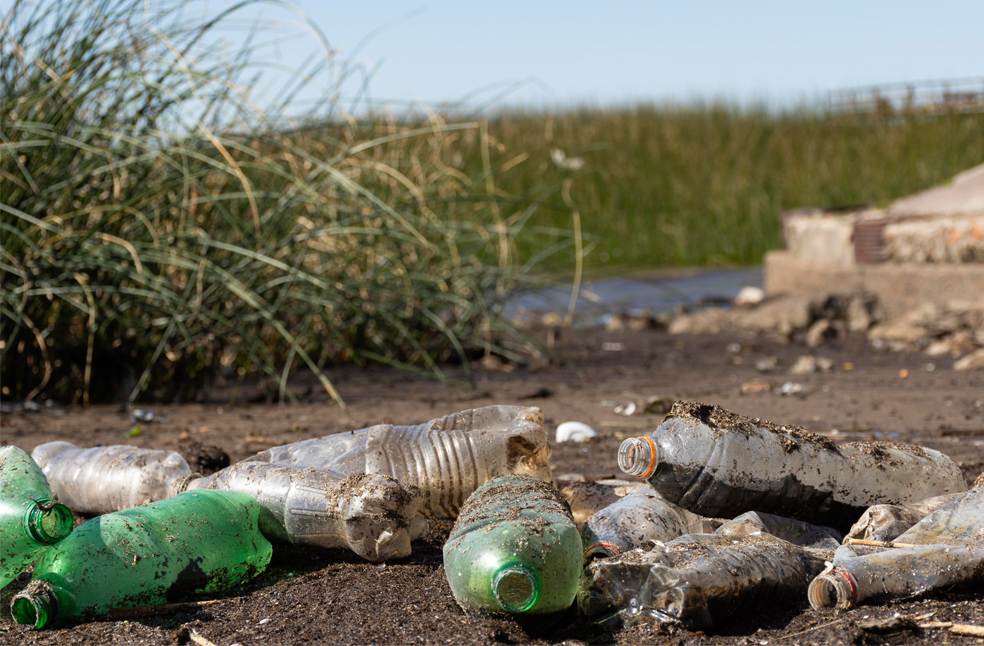
As a result, plastic pollution has reached catastrophic levels. Around 8 billion tonnes of plastic now contaminate the planet, from Mount Everest to the deepest ocean trenches, with less than 10 percent of it being recycled.
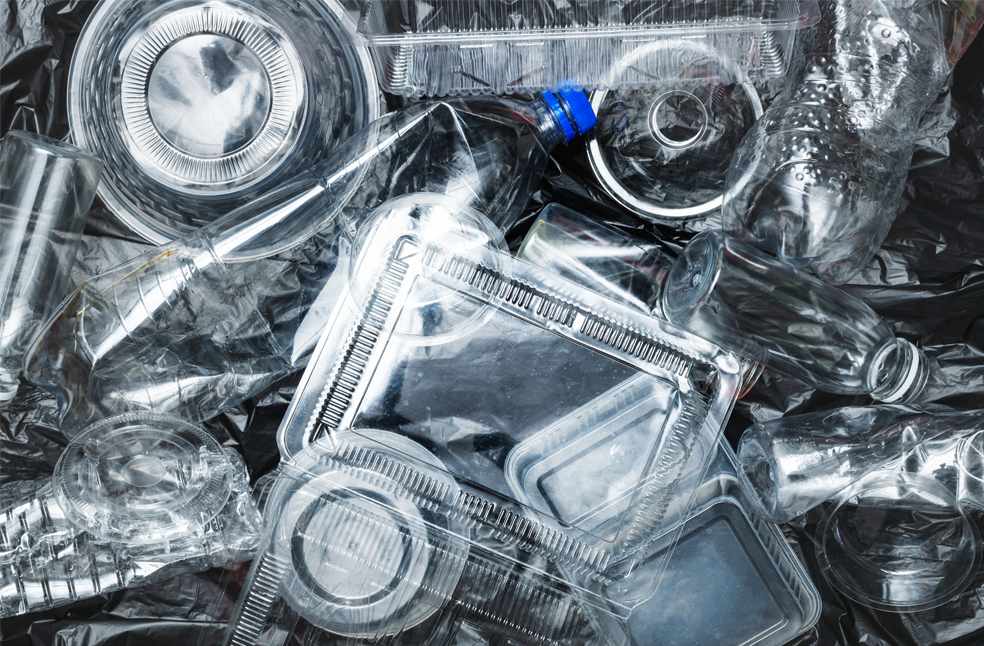
The review points out that plastic is hazardous throughout its entire lifecycle, from fossil fuel extraction and production to use and disposal. This process releases air pollutants, toxic chemicals, and microplastics that infiltrate the human body.
These micro- and nano-plastics, which result from the breakdown of plastic waste, are found in blood, brain tissue, breast milk, placentas, semen, and even bone marrow. While the full health implications are not yet fully understood, they have already been linked to strokes, heart attacks, and a range of long-term health conditions, prompting the authors to urge a precautionary approach.
The study emphasizes that infants, children, and vulnerable populations are disproportionately affected, with plastic exposure linked to miscarriages, birth defects, premature births, impaired lung development, childhood cancers, and fertility problems in later life.
The authors stress that plastic’s real cost is far higher than perceived, once health and environmental damages are considered. For instance, the cost of damage caused by just three plastic-associated chemicals, PBDE, BPA, and DEHP, in 38 countries was estimated to total $1.5 trillion per year.
Moreover, over 16,000 chemicals are used in plastic production, including fillers, dyes, flame retardants, and stabilizers, many of which are toxic. However, lack of transparency over which chemicals are present in various products remains a major issue.
The review criticizes the fossil fuel-based plastics industry, noting that over 98 percent of plastics are derived from oil, gas, and coal, and that production is extremely energy-intensive, emitting 2 billion tonnes of CO₂ annually, more than the total emissions of Russia, the world’s fourth-largest polluter. In addition, more than half of all unmanaged plastic waste is burned in the open air, adding to air pollution and climate damage.
Plastic pollution also indirectly drives disease. Discarded plastics collect stagnant water, providing ideal breeding grounds for disease-carrying mosquitoes and thereby further endangering public health.
The review was released ahead of the sixth and possibly final round of global negotiations for a legally binding UN plastics treaty, designed to confront the plastics crisis. However, progress has been hampered by sharp divisions: while over 100 countries support a cap on plastic production, petrostates like Saudi Arabia and plastic industry lobbyists oppose it. Recent investigations revealed how industry pressure has derailed treaty talks.
Professor Philip Landrigan, a pediatrician and epidemiologist at Boston College and the lead author of the report, said that immediate, strong action is needed. “We know a great deal about the range and severity of the health and environmental impacts of plastic pollution. It is imperative the plastics treaty includes measures to protect human and planetary health.”
Petrostates and plastic producers, meanwhile, continue to argue for improved recycling, rather than limiting production. However, the review makes clear that, unlike paper, glass, or metal, plastics are chemically complex and not easily recyclable. The report concludes, “It is now clear that the world cannot recycle its way out of the plastic pollution crisis.”
Co-author Margaret Spring, a senior environmental lawyer, noted that the new Lancet analysis marks the beginning of a series of expert reports designed to track plastic’s global impact. “The reports will offer decision-makers around the world a robust and independent data source to inform the development of effective policies addressing plastic pollution at all levels.”
These upcoming reports will serve as vital tools for global leaders, especially as negotiations for the global plastics treaty reach a critical juncture. The overarching message is urgent: plastic pollution is not only an environmental catastrophe but a global public health emergency that requires immediate, collective action.
ALSO READ | March for Humanity: Sydney unites to end Gaza starvation
