


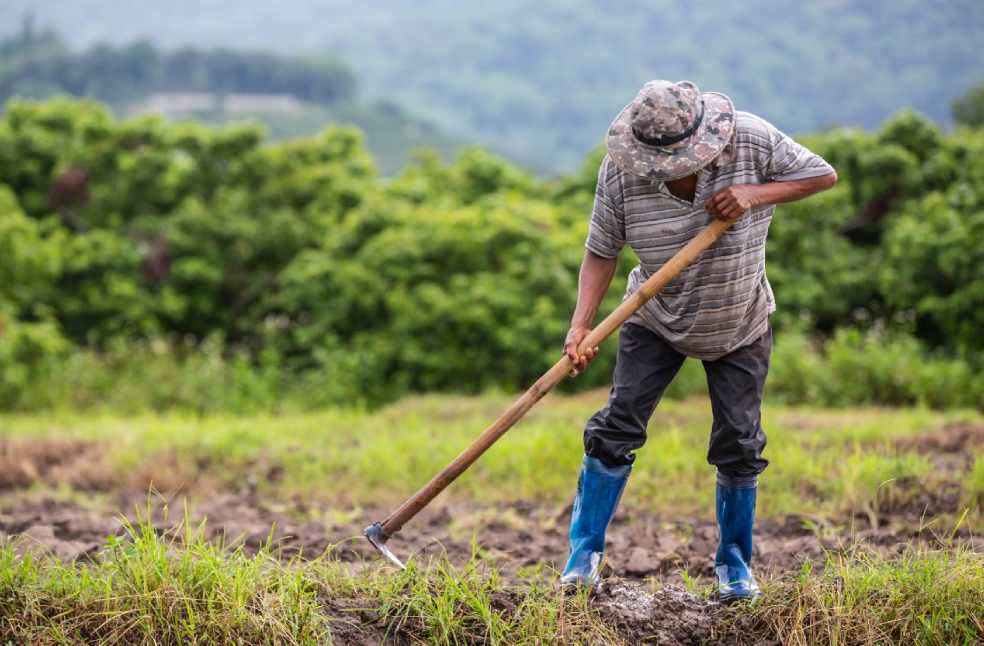
Srinagar: The Kashmir heat crisis has triggered unprecedented challenges for communities that depend heavily on farming for survival. This summer, the region has recorded its highest daytime temperature in 70 years at 37.4 degree celsius, at least 7 degree celsius above the usual seasonal average, pushing authorities to shut down schools and colleges for two weeks.
For farmers the Kashmir heat crisis have been devastating. Farmers stated that paddy fields have dried up beyond recovery, even though the long-awaited rain finally arrived too late.
A 2021 study shows that Kashmir’s maximum temperatures have risen by 2 degree celsius since 1980, marking a clear trend of increasing heat every decade. Mukhtar Ahmad, who heads the weather department in Srinagar, has confirmed that the region has already faced three heatwaves this season alone, drying up rivers and streams that sustain farming.
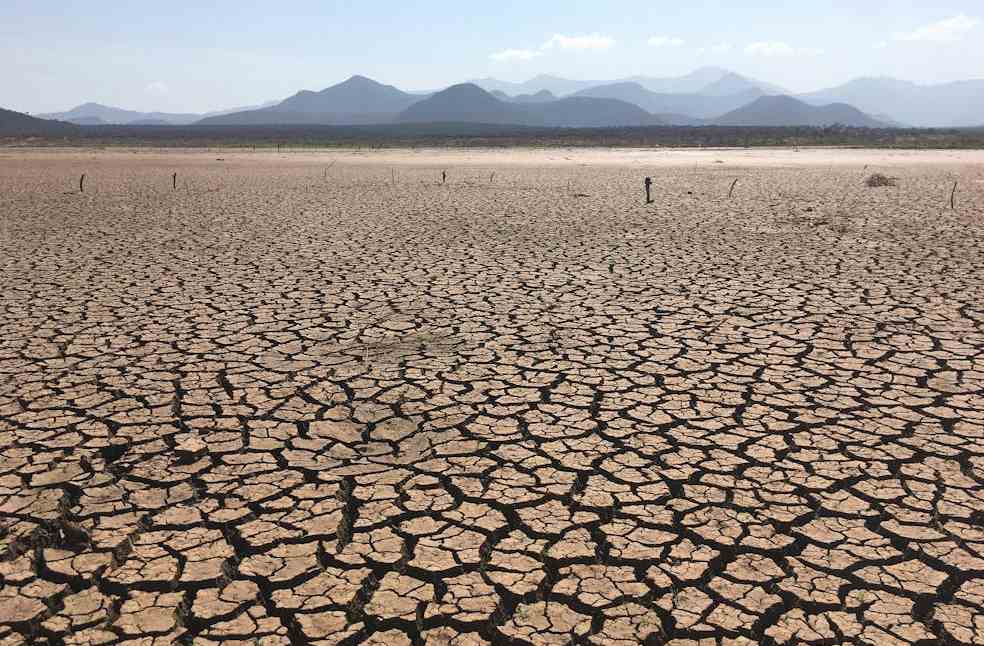
Experts blame climate change for intensifying the Kashmir heat crisis and disrupting traditional weather patterns. The region’s reliance on western disturbances for snow and rain has become unreliable, shrinking glaciers and exposing bare land to absorb even more heat.
Environmentalists also warn that rapid urbanization, deforestation, and the felling of trees along riverbanks are worsening the crisis. The increased use of air conditioners in growing urban centers is adding to greenhouse gas emissions, creating a cycle that fuels more warming.
Despite contributing little to global carbon emissions, Kashmir has been paying a heavy price as extreme weather events increase in frequency. While local leaders say they are taking climate threats seriously, farmers fear that real solutions may come too late to save their livelihoods and the region’s fragile ecosystem.
MOST READ | South Korea rains kill 14; More missing in heavy floods
