



Karnataka, India: Karnataka has become the first state in India to introduce paid menstrual leave for all women working in the formal sector, including roles across both government and private companies.
Under the policy, women aged 18 to 52 are entitled to one fully paid day of menstrual leave each month without needing to provide a medical certificate.
While this new measure benefits an estimated 350,000 to 400,000 women, it does not cover the nearly six million women in the informal sector, such as domestic helpers, daily-wage earners, and gig workers, prompting experts to call for broader inclusion.
Despite these limitations, the initiative is being hailed as a major milestone because it applies to private-sector employees across job roles and contract types.
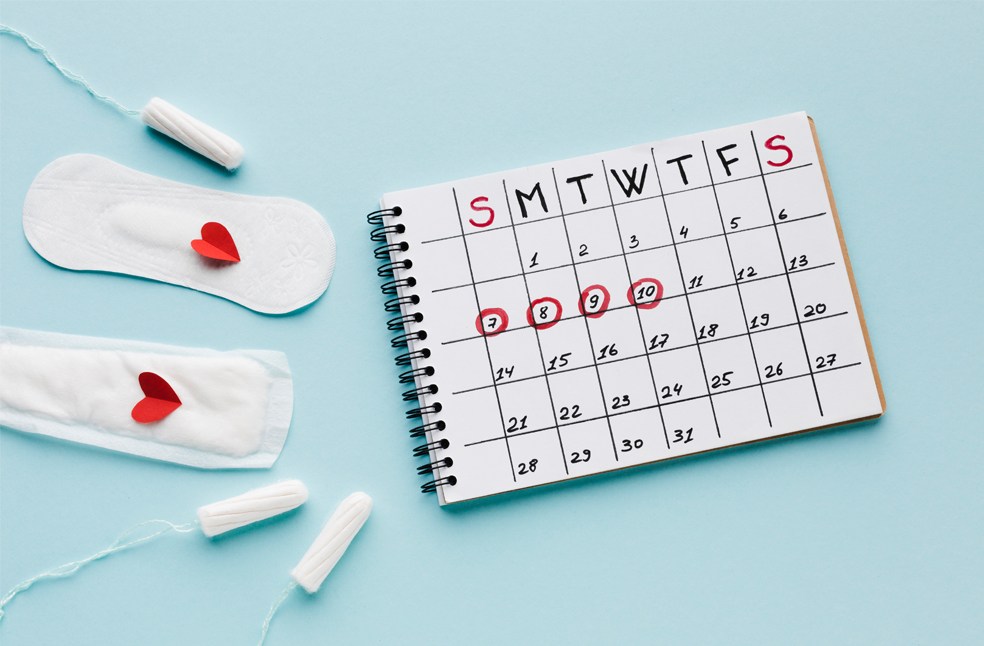
Menstrual leave itself is not a new concept globally; countries like Spain, Japan, South Korea, and Indonesia already offer it, and a few Indian states provide limited menstrual leave to government or academic staff. However, expanding the benefit to the wider private sector is unprecedented in India and has sparked debate.
Supporters say the policy is essential for women who face financial or physical strain during their periods, while critics argue that it may reinforce gender bias or be difficult to implement due to persistent social taboos.
Many women still find it uncomfortable to talk openly about menstruation, and in parts of India, the stigma remains deep-rooted. This includes restrictions on entering temples and outdated practices like wrapping sanitary pads in newspapers.

Reactions within Karnataka are mixed. Labour Minister Santosh Lad called the move ‘one of the most progressive policies’ for women, and worker unions welcomed the relief it offers to women with limited leave days.
Yet some women worry about the social awkwardness of requesting menstrual leave, with others insisting they do not need it. Social scientists note that while the policy provides practical support, true empowerment will require dismantling long-held stigma.
Still, some women believe that officially labeling the benefit as ‘menstrual leave’ can help normalize conversations around periods.
Members of the state’s menstrual leave committee urge women to confidently claim the leave they are entitled to, stressing the need for a cultural shift that eliminates shame and encourages openness.
ALSO READ | Euro 2028: No dynamic ticket pricing; UEFA confirms
