


Virginia: A federal judge has blocked Virginia from enforcing a new social media law that sought to limit access for children under 16 and require age verification for all users. The ruling has paused the implementation of Senate Bill 854, which aimed to restrict young users to one hour per day on social media platforms.
U.S. District Judge Patricia Tolliver Giles in Alexandria has issued a preliminary injunction, finding that the technology trade group NetChoice was likely to succeed in its claim that the law infringed First Amendment rights. The judge has indicated that the measure could unconstitutionally affect the free speech rights of adults, minors and member companies represented by NetChoice, including Google, Meta Platforms, Netflix, Reddit and Elon Musk’s X.
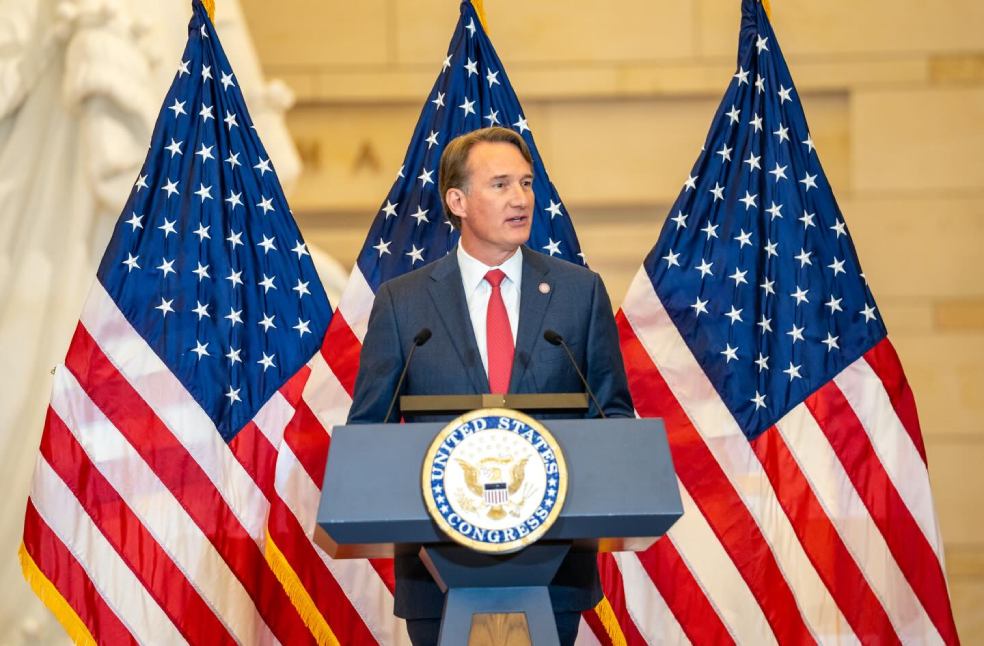
The Virginia law had been signed in May by then-Governor Glenn Youngkin and took effect on 1 January 2026. State authorities have argued that the legislation was designed to protect children from what they described as addictive features of social media and to address a broader youth mental health crisis.
However, Judge Giles has concluded that while Virginia has a compelling interest in protecting children, the law was overinclusive because it required age verification for everyone, including adults. The court has also determined that it was underinclusive because it exempted interactive gaming platforms that could present similar concerns.
In the written opinion, Giles has stated that, “the court recognizes the Commonwealth’s compelling interest in protecting its youth from the harms associated with the addictive aspects of social media,” but added that such protections cannot infringe constitutional rights. The ruling has further noted that the measure treated comparable forms of speech differently by limiting children’s access to certain programming on social media while allowing similar content on streaming platforms.
NetChoice has welcomed the decision, while Virginia’s Attorney General’s office has signalled that efforts to protect children online will continue. The case forms part of a broader national debate over how far states can go in regulating social media access for minors without violating constitutional protections.
ALSO READ | Poland proposes social media ban for children under 15
