


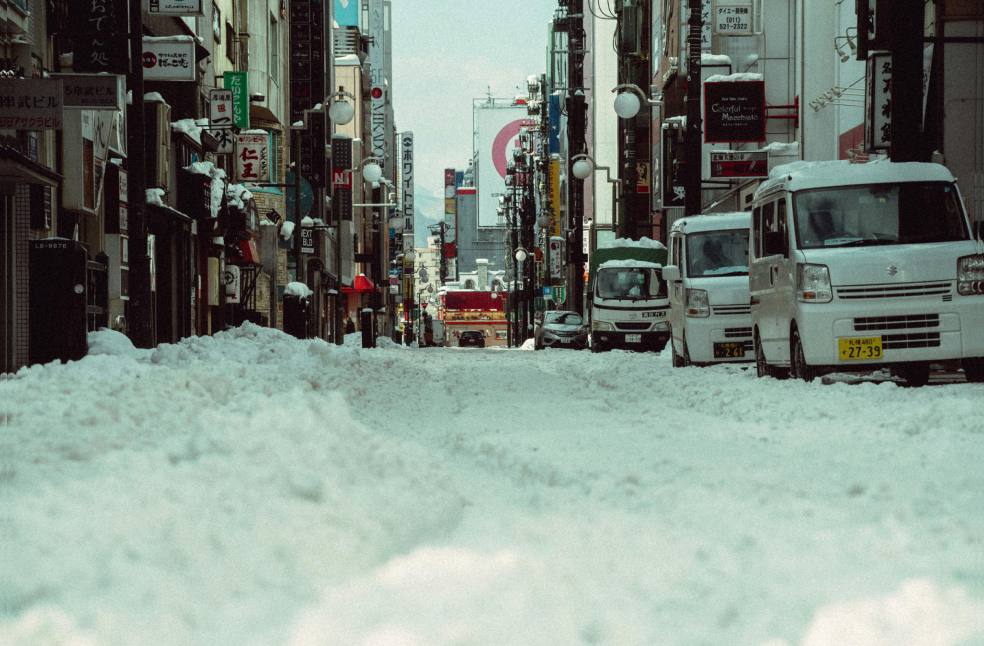
Tokyo: Japan snap election preparations have been taking place against the backdrop of one of the harshest winters the country has experienced in years, with snow and freezing temperatures shaping both campaign activities and voter participation.
The snap general election, called by Prime Minister Sanae Takaichi less than four months after taking office, is scheduled for February 8 and is being viewed as a key test of public support for the new administration. Large parts of northern Japan have already been buried under heavy snow, with Aomori prefecture among the worst affected areas.
Election billboards displaying candidate information have been covered or rendered inaccessible, prompting authorities in one town to reduce the number of billboards from more than 600 in previous elections to fewer than 100 this time. The impact of snowfall has also extended to logistics, making transport and visibility a growing challenge for both candidates and voters.
The severe weather has added to existing logistical pressures created by the short election schedule. With only a 16-day window between the dissolution of parliament and election day, local governments have been struggling to prepare polling stations and distribute voting materials. Municipal officials have reported longer working hours as they attempt to manage staffing shortages and weather-related disruptions.
The situation has been compounded by reports from Japan’s public broadcaster NHK stating that at least ten people have died in the past week due to weather-related incidents, particularly along the Sea of Japan coast. Snow accumulation in several regions has already surpassed yearly averages, increasing the risk of accidents and transport delays.
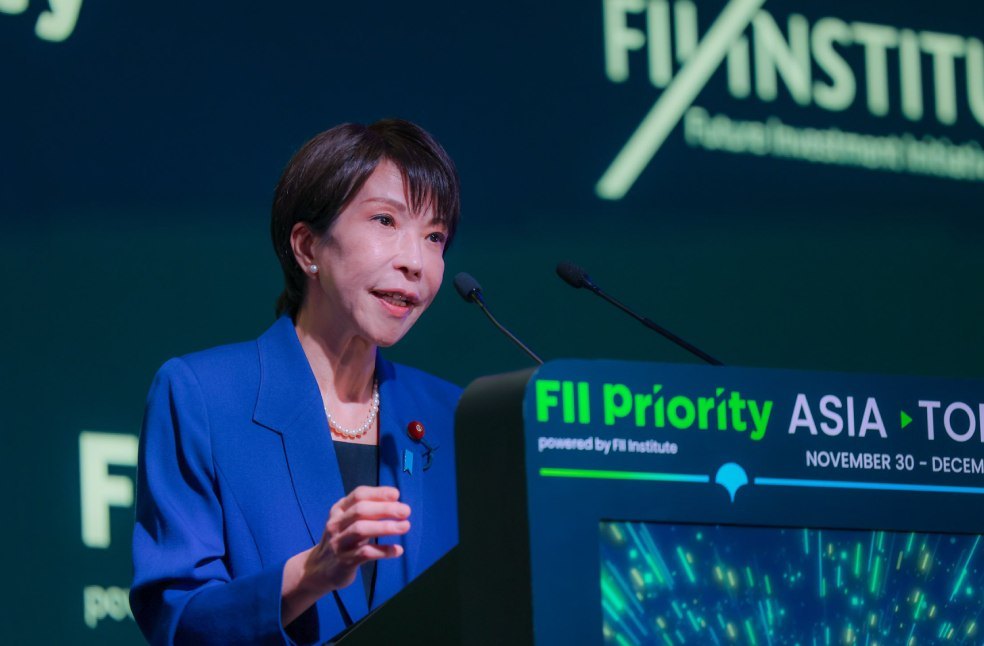
Observers believe that the Japan snap election could see a historically low turnout. Cold temperatures, snowbound roads, and general voter fatigue are likely to discourage participation, especially among elderly voters. Political analysts have noted that voter apathy may be intensified by Prime Minister Takaichi’s high approval ratings and a fragmented opposition, which could make the election appear less competitive.
Another complication has emerged from heightened security measures. The use of body warmers known as kairo, which contain iron powder, may trigger metal detectors introduced after the 2022 assassination of former Prime Minister Shinzo Abe. Police have warned campaign organisers and voters about potential screening delays, and female officers have been assigned to conduct additional security checks where required.
The Ministry of Internal Affairs and Communications has launched a task force to address weather-related challenges. Measures include encouraging early voting, deploying mobile polling stations in heavily affected areas, and arranging transport services to help voters reach polling sites. Emergency communication systems are also being strengthened in case snow disrupts infrastructure.
Younger voters have shown greater willingness to participate despite the weather. Surveys indicate that more than half of voters in their twenties and thirties are comfortable with the election timing, compared with lower approval among older age groups. Analysts believe this could benefit smaller parties that appeal to younger demographics, including those with strong views on immigration and national identity.
Prime Minister Takaichi has acknowledged the difficulties faced by voters, particularly in snowbound regions. Sanae Takaichi has said that the administration is grateful for the efforts required by citizens to reach polling stations under challenging conditions. The government has stressed that safeguarding access to democratic participation remains a priority despite the extreme weather.
TRENDING | India and EU finalise landmark trade deal to boost ties
