



Tokyo: Japan’s ruling coalition, led by Prime Minister Shigeru Ishiba, has lost its majority in the country’s upper house following tightly contested elections. The result is a powerful political setback, driven by public frustration over inflation, economic concerns, and rising nationalist sentiment.
Despite the defeat, Ishiba told that, he would not resign, stating he solemnly accepts the harsh result but remains focused on ongoing trade negotiations, especially with the United States.
The coalition—comprising the Liberal Democratic Party (LDP) and its junior partner Komeito won just 47 seats, falling short of the 50 needed to maintain control of the 248-seat chamber. Half of the chamber’s seats were contested in the election.
The opposition Constitutional Democratic Party secured 22 seats, while the small, right-wing Sanseito party made significant gains, winning 14 seats, up from just one in the previous election. Sanseito’s rise has been attributed to its populist rhetoric, nationalistic messaging, and anti-immigration platform, resonating with disenchanted conservative voters.
The ruling coalition had already lost its majority in the more powerful lower house last year, and this latest loss further weakens its influence. Historically, such defeats have led to leadership changes within the LDP. Ishiba’s predecessors, who suffered similar upper house losses, stepped down within two months.
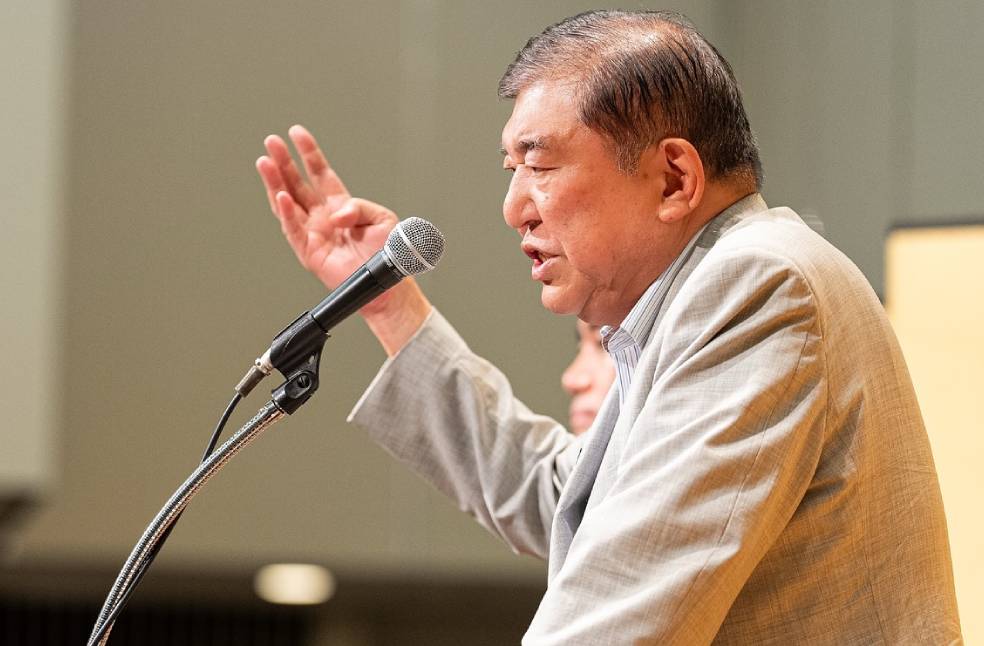
Analysts say the result reflects growing dissatisfaction with Ishiba’s leadership, especially amid rising living costs, political scandals, and perceived weak stances on national security and historical revisionism. Sanseito, led by Sohei Kamiya and often compared to Donald Trump for his populist appeal, gained traction during the pandemic through viral YouTube videos promoting conspiracy theories and anti-vaccine rhetoric.
The party’s rise has intensified debates around foreign residents, national identity, and Japan’s immigration policies, topics that became focal points of the campaign. Ishiba responded by forming a task force to address crimes or nuisance behaviours committed by some foreign nationals.
While Ishiba insists he will stay on, the LDP could face internal pressure to consider new leadership. Potential challengers include Sanae Takaichi, Takayuki Kobayashi, and Shinjiro Koizumi, each representing different ideological wings of the party.
A leadership reshuffle could spark political instability, especially during sensitive trade talks with Washington. Still, many within the party may see a change as necessary to revive public confidence.
The Tokyo Stock Exchange was closed for a public holiday, but the yen strengthened slightly in global markets, suggesting investors had anticipated the result. As Japan navigates economic challenges and growing political fragmentation, the coalition’s upper house loss marks a turning point in the country’s post-Abe political landscape.
MOST READ | Kashmir heat crisis impacts health and crops
