



Tokyo: Japan parliament has witnessed a push for infrastructure changes as Prime Minister Sanae Takaichi and dozens of female lawmakers have backed a petition calling for more women’s toilets inside the parliamentary complex. The move has reflected growing pressure to modernise facilities as women take up a larger share of seats in the legislature.
A record 73 women were elected to the 465-seat Lower House in October 2024, surpassing the previous high set in 2009. Despite this rise, facilities within japan parliament have remained largely unchanged since the building was constructed in 1936, nearly a decade before women gained the right to vote.
Opposition lawmaker Yasuko Komiyama has highlighted practical challenges faced by women during parliamentary sessions. Komiyama has said that long queues often form outside restrooms near the plenary chamber, with some lawmakers abandoning attempts to use the facilities before debates begin. Near the chamber, there is one women’s toilet with two cubicles, while the building overall has nine women’s toilets containing 22 cubicles.
By comparison, japan parliament has 12 men’s toilets across the complex, offering a total of 67 stalls and urinals. The imbalance has been described as inconvenient not only for lawmakers but also for female staff and visitors who share the same facilities.
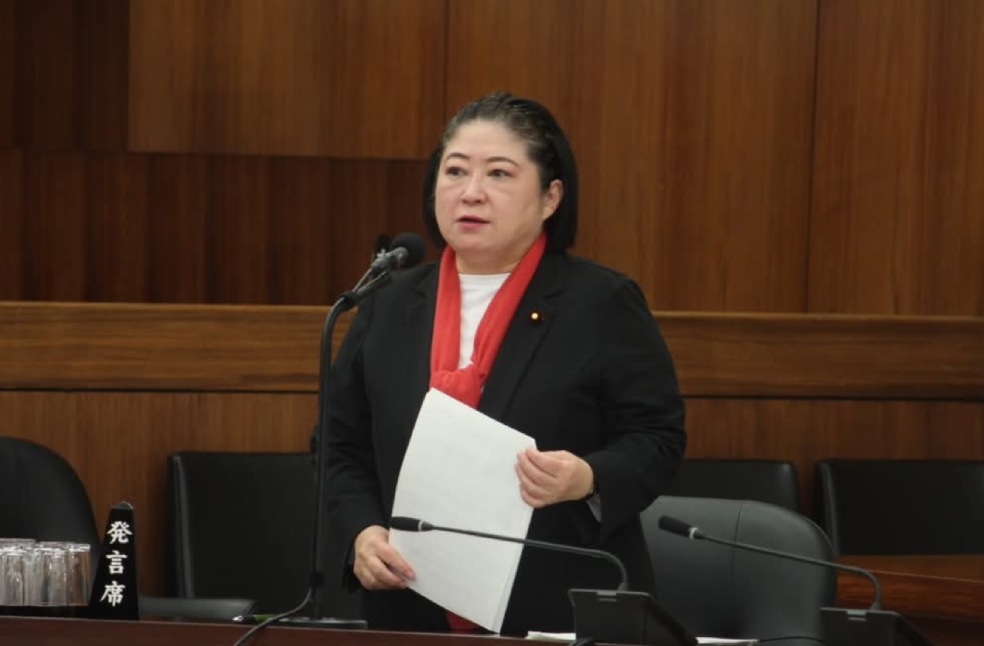
Komiyama has said preparations must be made for a future in which women hold more than 30 percent of parliamentary seats. Komiyama has added that meaningful steps are needed if the administration is serious about promoting women’s empowerment.
The parliament building spans more than 53,000 square metres of floor space and includes a central tower rising nine storeys. Despite its size, restroom access remains uneven, reflecting the era in which it was designed.
Lower House committee chair Yasukazu Hamada has expressed willingness to consider the proposal, according to local media. The discussion has also echoed broader concerns across Japan, where long queues at women’s public restrooms are common.
The Japanese government previously set a target for women to hold 30 percent of leadership roles across society, although the timeline has since been delayed. Women currently account for nearly 16 percent of seats in the Lower House and about one-third of the Upper House.
POPULAR | France plans Australia-style social media ban for children
