



Tokyo: Voting has taken place across the country in a closely watched Japan election triggered by a snap decision from Prime Minister Sanae Takaichi to seek a fresh mandate. The contest has been framed as a high-stakes move by the ruling Liberal Democratic Party to consolidate support after a turbulent political period.
The Japan election has been called just months after Takaichi was selected as prime minister by lawmakers. Opinion polls have indicated that the Liberal Democratic Party and its coalition partner, the Japan Innovation Party, could secure up to 300 seats in the 465-member lower house. Such an outcome would mark a significant turnaround for the ruling party, which had lost control of both chambers of parliament last year.
The prime minister has promoted tax cuts and subsidies aimed at easing pressure on households. Supporters have credited these proposals with boosting public confidence, while critics have warned that spending measures could strain an already fragile economy. Economists and analysts have debated whether the policy package addresses deeper issues such as weak productivity and stagnant wages.
Turnout figures have shown that around 4.6 million voters cast ballots early, slightly lower than in the previous election, with heavy snowfall in some regions cited as a factor. Observers have suggested that the prime minister’s personal popularity could still drive turnout and improve results for the ruling coalition.
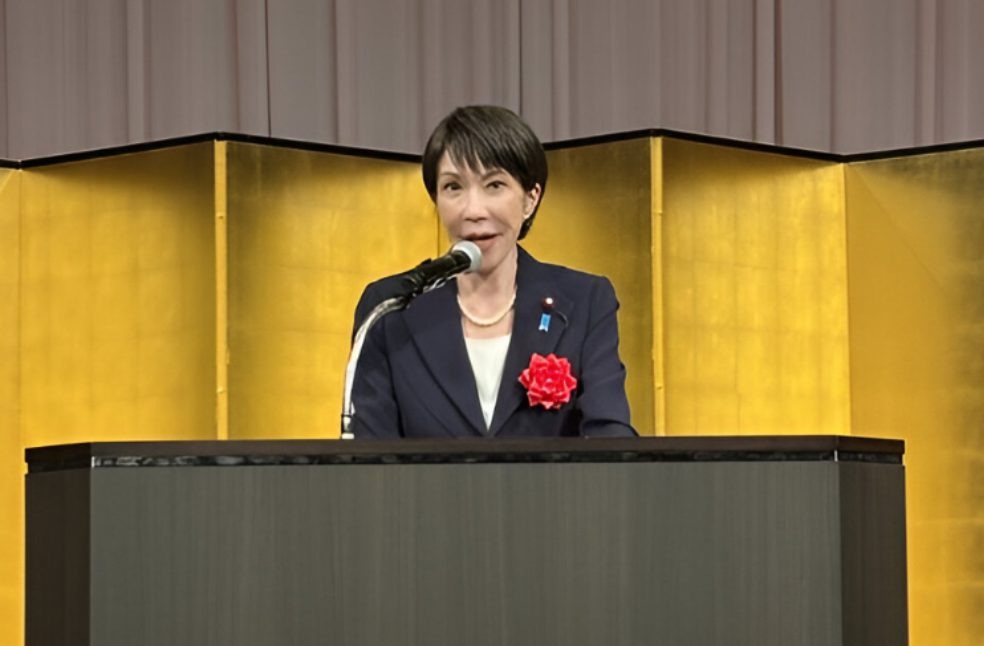
Takaichi has been influenced by former United Kingdom leader Margaret Thatcher and has pursued policies focused on defence and national identity. Despite traditional views on gender and family issues, the prime minister has attracted support among younger voters aged 18 to 30. Approval ratings for the government have remained above 70 percent since taking office, and campaign messaging has gained significant attention online.
The Japan election has also unfolded against the backdrop of political scandals that previously affected the ruling party. Fundraising controversies in recent years led to cabinet resignations and investigations, creating challenges for the Liberal Democratic Party. At the same time, opposition parties have sought to strengthen alliances to present a more unified challenge.
Foreign policy has remained another point of debate during the campaign. Tensions with China have intensified after statements regarding Taiwan, while efforts to maintain strong ties with the United States have continued. A public endorsement from United States President Donald Trump has drawn attention to the international dimension of the election.
As voting continues, the outcome of the Japan election is expected to determine the strength of the ruling coalition’s mandate and shape the direction of economic and foreign policy in the coming years.
MOST READ | Storm Leonardo triggers floods and evacuations across regions
