


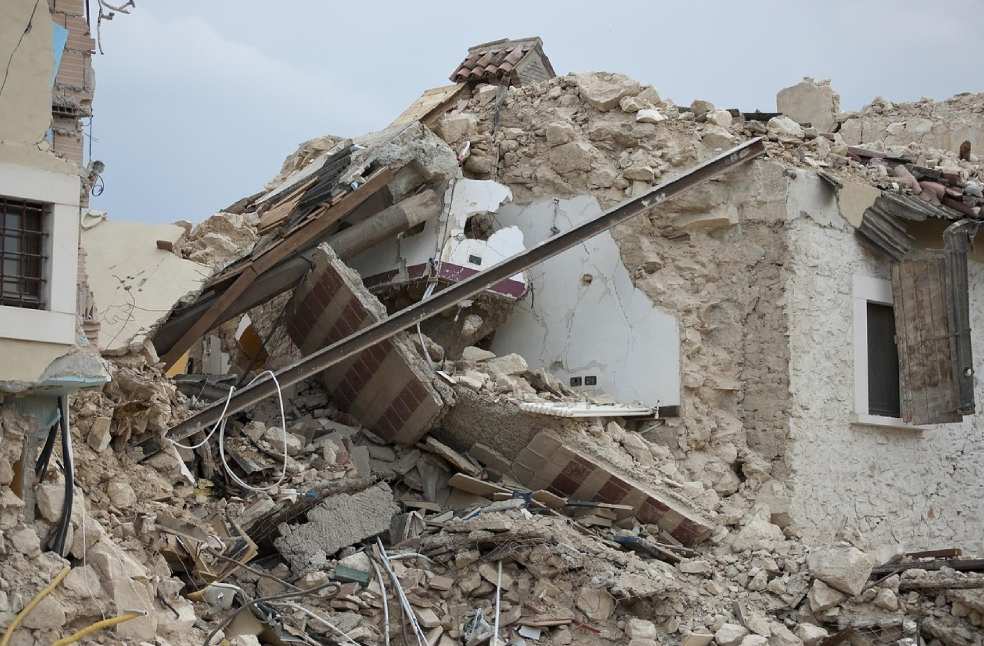
Tokyo: Japan earthquakes continue to shake the region near Kyushu after more than 1,000 tremors have been recorded in the Kagoshima islands over the past fortnight.
The strongest, a magnitude 5.5 quake, prompted precautionary evacuations from smaller islands near the epicentre. Another 5.4-magnitude quake followed shortly after, underlining the persistent seismic activity that defines this part of the world.
Ayataka Ebita, director of the Japan Meteorological Agency’s earthquake and tsunami monitoring division, stated that, “With our current scientific knowledge, it’s difficult to predict the exact time, place or scale of an earthquake.”
令和7年7月5日6時29分頃にトカラ列島近海で発生した地震について、5日8時30分から記者会見を行います。以下URLから中継します。https://t.co/vaWmZW9Crm
— 気象庁 (@JMA_kishou) July 4, 2025
Despite the rumours, Japan remains a top destination for global travellers. Recent figures show that, while arrivals from Hong Kong fell 11 percent in May, Japan set a record in April with 3.9 million visitors in a single month.
Japan earthquakes are not unusual, the country lies on the Pacific ‘Ring of Fire’ and accounts for roughly one-fifth of all magnitude 6 or higher quakes globally. Authorities say that preparedness, accurate monitoring, and public trust in verified scientific updates are the best defence against fear and misinformation.
Officials have urged residents and tourists to rely on credible sources and stay updated through the Japan Meteorological Agency’s official channels. They have also reminded the public that Japan earthquakes, while frequent, rarely match the scale of historic disasters thanks to modern building codes and emergency readiness.
The government will continue to monitor seismic activity in Kagoshima and surrounding regions. As Japan earthquakes persist, people are asked to remain alert but calm, trusting the country’s advanced disaster management systems rather than unfounded doomsday hype.
ALSO READ | Teen pilot detained in Antarctica after flight plan violation
