



Rome: Italy’s government has pledged to expand prison capacity by up to 15,000 places and help transfer inmates with addiction issues to treatment centres as part of efforts to resolve a long-standing overcrowding crisis.
The situation in Italy’s prisons has drawn renewed concern after a record number of inmate suicides last year and ongoing complaints about extreme summer temperatures in overcrowded facilities that lack air conditioning, highlighting the urgent need to expand prison capacity.
As of mid-July, official figures show Italy holds 62,986 inmates, despite an official capacity of only 47,289 places, leaving the country with an occupancy rate of around 133 percent, among the highest in Europe. Only Cyprus and France have worse figures, according to the World Prison Brief.
Although lawmakers approved reforms last year to improve prison conditions, these measures have delivered little change so far. Prime Minister Giorgia Meloni has stated that a fair state must adjust prison capacity to match the actual number of people serving sentences.
To address this, the government has announced a 758 million plan to increase prison capacity by nearly 10,000 places by 2027, and aims to add another 5,000 within five years through a separate programme, although no budget has yet been confirmed for the latter.
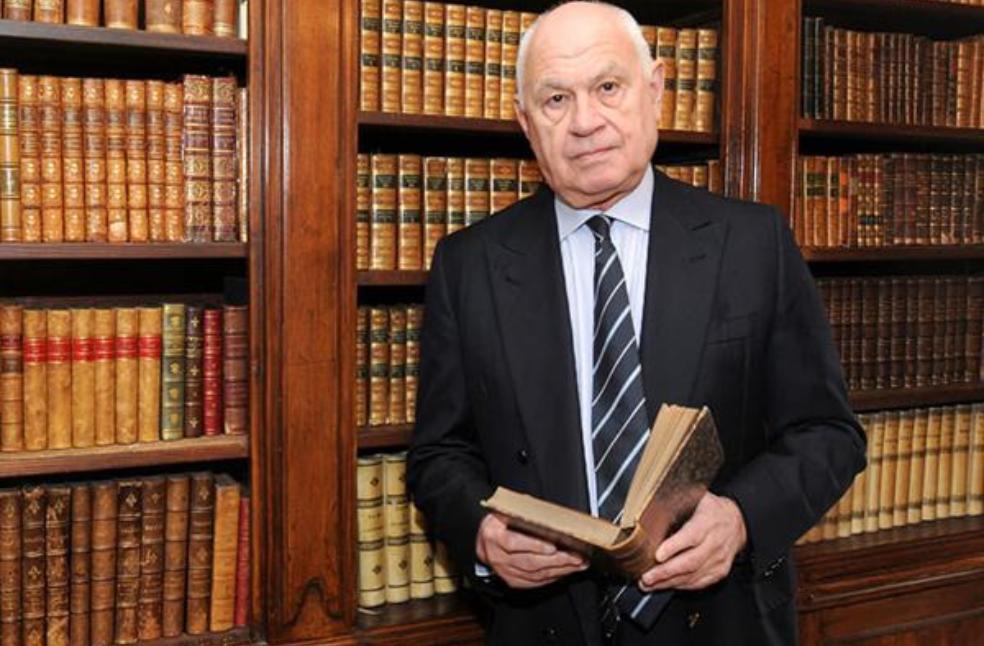
A draft law has also been adopted to allow a significant number of inmates with alcohol or drug dependencies to serve their sentences in rehabilitation centres instead of prison. Justice Minister Carlo Nordio said that people with addictions should receive treatment rather than punishment, noting that they account for nearly a third of Italy’s prison population.
Additionally, up to 10,000 inmates who are nearing the end of their sentences could be eligible for house arrest or probation under plans to accelerate early release.
However, this expansion of prison capacity and early release is expected to progress gradually due to political sensitivities for Meloni’s right-wing government, which remains cautious about appearing soft on crime.
YOU MAY LIKE | Bangladesh air force jet crash leaves 19 dead in Dhaka
