


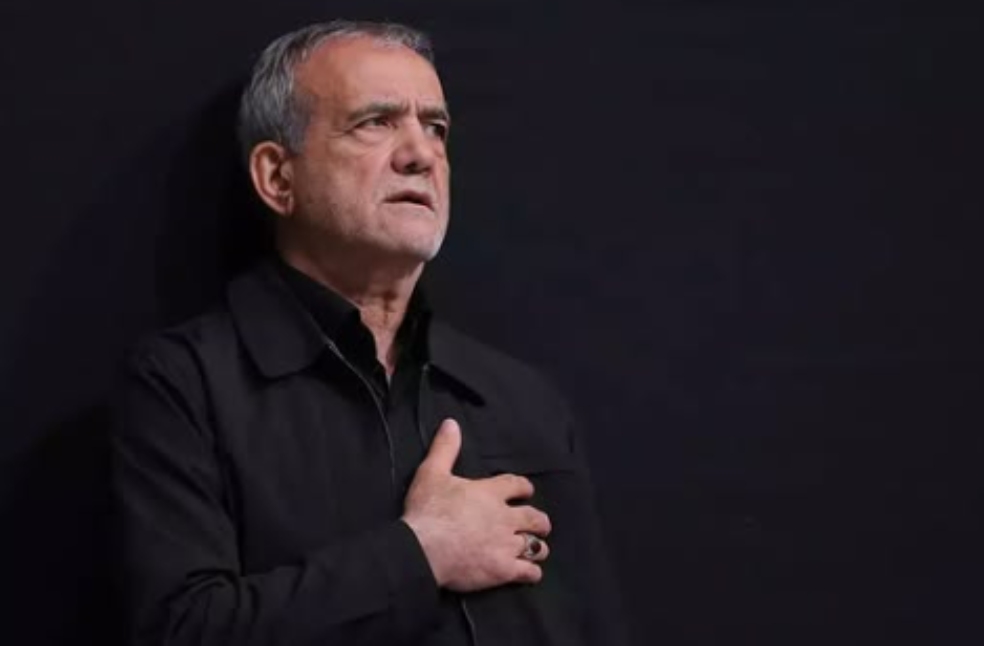
Tehran: Iranian President Masoud Pezeshkian has signed a law formally suspending cooperation with the International Atomic Energy Agency (IAEA), marking a dramatic escalation in Iran’s standoff with the UN nuclear watchdog following unprecedented strikes by the United States and Israel on key Iranian nuclear facilities.
The announcement comes days after Iran’s parliament overwhelmingly passed legislation citing ‘hostile acts’ by Israel and the US, including the June 13 Israeli attack and subsequent American airstrikes during a 12-day conflict that has left the region on edge.
Under the new law, IAEA inspectors will no longer be granted access to Iran’s nuclear sites unless approved by the country’s Supreme National Security Council, effectively freezing all regular oversight activities.
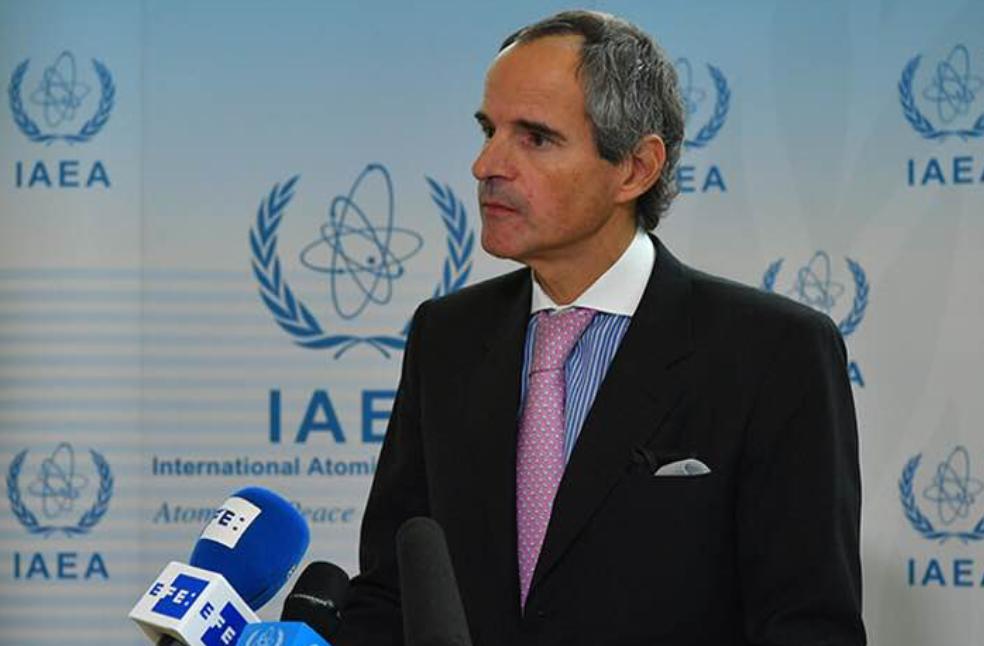
Foreign Minister Abbas Araghchi sharply criticised IAEA Director General Rafael Grossi, stating that, “Grossi’s insistence on visiting the bombed sites under the pretext of safeguards is meaningless and possibly even malign in intent.” Abbas Araghchi added that, “Iran reserves the right to take any steps in defence of its interests, its people and its sovereignty.”
Earlier this week, Iran denied a request from Grossi to visit damaged nuclear facilities in Fordow and Isfahan, asserting that the IAEA’s conduct had ‘lost credibility’ after the agency failed to condemn what Tehran calls acts of aggression by Israel and the United States.
Tensions have surged since Israel launched surprise airstrikes on Iranian nuclear and military targets last month, killing several senior commanders and scientists. Iran retaliated with waves of drone and missile attacks, and was later struck by US forces targeting major nuclear facilities in Fordow, Natanz and Isfahan on June 22.
A ceasefire between Iran and Israel came into effect on June 24, but the diplomatic fallout continues. According to Iranian authorities, 935 people were killed in Israeli attacks, including 132 women and 38 children. Iran’s retaliatory strikes reportedly killed 28 people in Israel.
France, Germany, and the United Kingdom have condemned what they described as unspecified threats against IAEA personnel, while Iran has denied making any such threats.
The IAEA had passed a resolution on June 12 accusing Tehran of non-compliance with its nuclear obligations. Iranian officials said the move served as a pretext for the subsequent attacks by Israel.
The latest developments have cast new doubt on the future of nuclear diplomacy in the region and threaten to unravel years of efforts aimed at monitoring Iran’s nuclear activities.
POPULAR | US halts some weapons shipments to Ukraine as war escalates
