


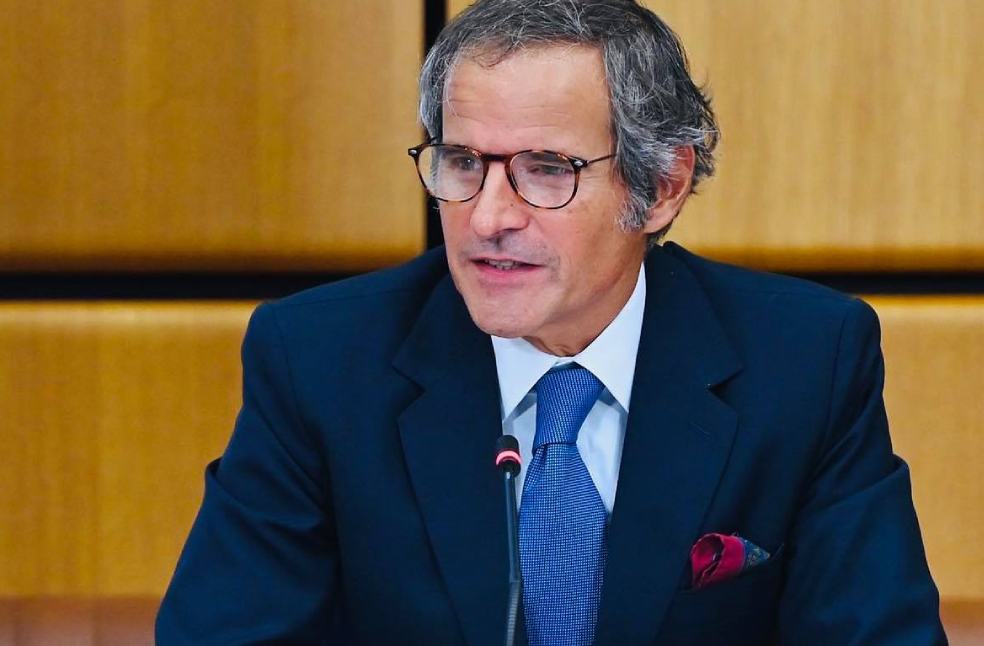
Iran: Iran could resume enriching uranium to weapons-grade levels within months, the head of the UN’s nuclear watchdog has warned, casting doubt on claims by US President Donald Trump that Iran’s nuclear infrastructure was ‘completely destroyed.’
Rafael Grossi, Director General of the International Atomic Energy Agency (IAEA), said that while recent US and Israeli airstrikes inflicted significant damage on Iran’s nuclear facilities, they were ‘not total.’ Grossi stated that, “Frankly speaking, one cannot claim that everything has disappeared and there is nothing there.”
On June 13, Israel launched airstrikes on Iranian nuclear and military installations, citing intelligence that Tehran was nearing weapons-grade enrichment. The US later joined the offensive, targeting three major facilities: Fordo, Natanz and Isfahan.
The extent of the damage has remained unclear, with conflicting reports from both Iran and Western intelligence agencies. Grossi confirmed that while the strikes had caused setbacks, Iran retains its industrial capacity and could reactivate centrifuges to enrich uranium ‘in a matter of months.’
The IAEA’s findings echo a recent Pentagon intelligence assessment, which also concluded that the joint strikes may have delayed but not dismantled Iran’s nuclear ambitions.
In contrast, Trump blasted such assessments, accusing the media of trying to ‘demean one of the most successful military strikes in history.’ He reiterated that he would absolutely consider another strike if intelligence suggested Iran was advancing enrichment.
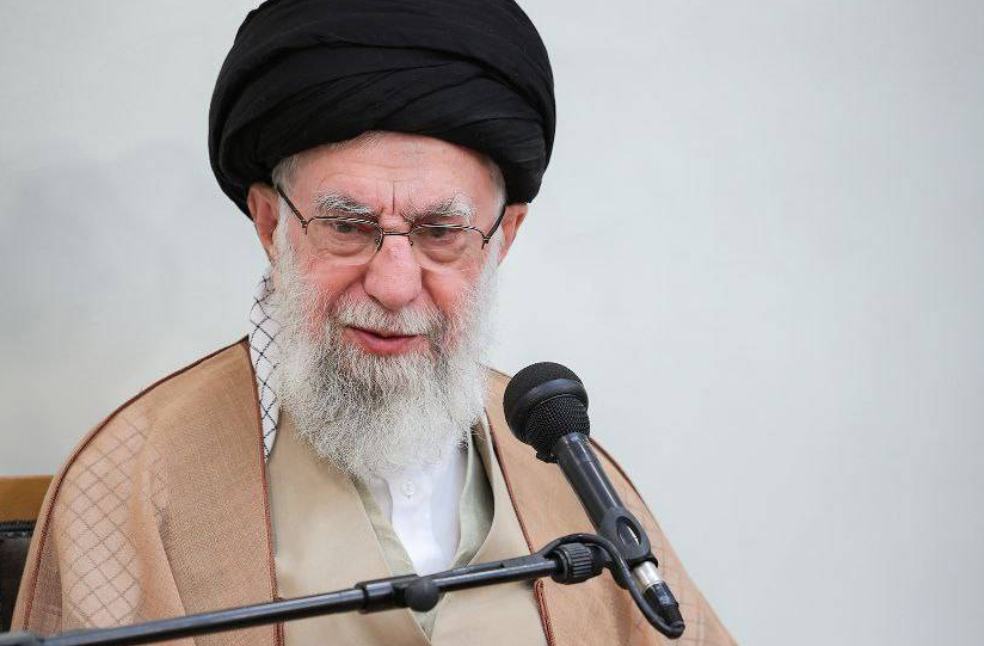
Iran, meanwhile, has issued mixed responses. Supreme Leader Ayatollah Ali Khamenei downplayed the damage, claiming the strikes achieved nothing significant. However, Foreign Minister Abbas Araghchi admitted ‘excessive and serious’ damage had occurred.
The situation has further strained Iran’s relationship with the IAEA. Iran’s parliament moved to suspend cooperation with the watchdog, accusing it of siding with Israel and the United States. This came just weeks after the IAEA declared Iran in breach of its non-proliferation obligations for the first time in two decades.
Under the 2015 Joint Comprehensive Plan of Action (JCPOA), Iran was restricted to uranium enrichment levels of 3.67 percent and was barred from enrichment activities at Fordo. But after the US unilaterally exited the deal in 2018, Iran progressively violated the terms, resuming enrichment at Fordo by 2021 and amassing enough 60 percent enriched uranium for up to nine nuclear bombs, according to IAEA estimates.
Despite rising tensions, Grossi stressed the need for diplomacy. As Tehran reels from the physical and political fallout, the ceasefire with Israel remains in place, but the region remains on edge, with the future of Iran’s nuclear programme and global non-proliferation efforts hanging in the balance.
MOST READ | India refuses to sign SCO statement over terrorism omission
