


Isfahan: A senior Israeli official has warned that Iran could potentially recover enriched uranium buried beneath its Isfahan nuclear facility, one of three key sites targeted in last month’s US air and missile strikes.
Speaking to US journalists during a closed-door briefing in Washington, the unnamed official confirmed Israeli intelligence assessments suggesting enriched uranium remains buried underground at the Isfahan complex. The facility was among those hit on June 22 during Operation Midnight Hammer, a surprise US military campaign that involved submarine-launched cruise missiles.
While retrieving the buried uranium would be highly challenging, the official stated that any Iranian efforts to do so would likely trigger renewed Israeli military action. Despite this, the official appeared confident in Israel’s monitoring capabilities, saying such attempts would probably be detected.
The disclosure comes with competing narratives from Israel, the US, and Iran regarding the true impact of the June strikes. US President Donald Trump has repeatedly asserted that the attacks obliterated Iran’s nuclear programme.
However, US intelligence appears more reserved in its conclusions. A leaked preliminary report from the Defence Intelligence Agency (DIA) reportedly indicates that although the Fordo, Natanz, and Isfahan facilities sustained heavy damage, none were entirely destroyed.
CIA Director John Ratcliffe recently told lawmakers that Iran’s only known facility for producing metallic uranium was eliminated, setting back Tehran’s nuclear ambitions. But other US officials and international observers have emphasised the limitations of the operation’s impact.
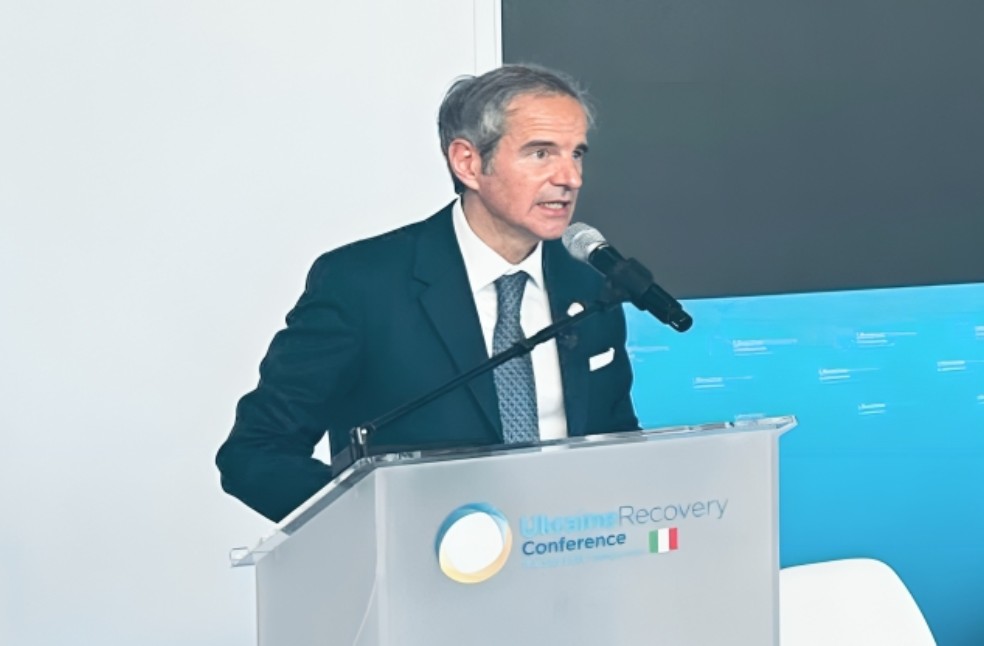
Rafael Grossi, Director General of the International Atomic Energy Agency (IAEA), said that while the three targeted nuclear sites were destroyed to an important degree, some infrastructure remains. Grossi stated that, “Frankly speaking, one cannot claim that everything has disappeared.”
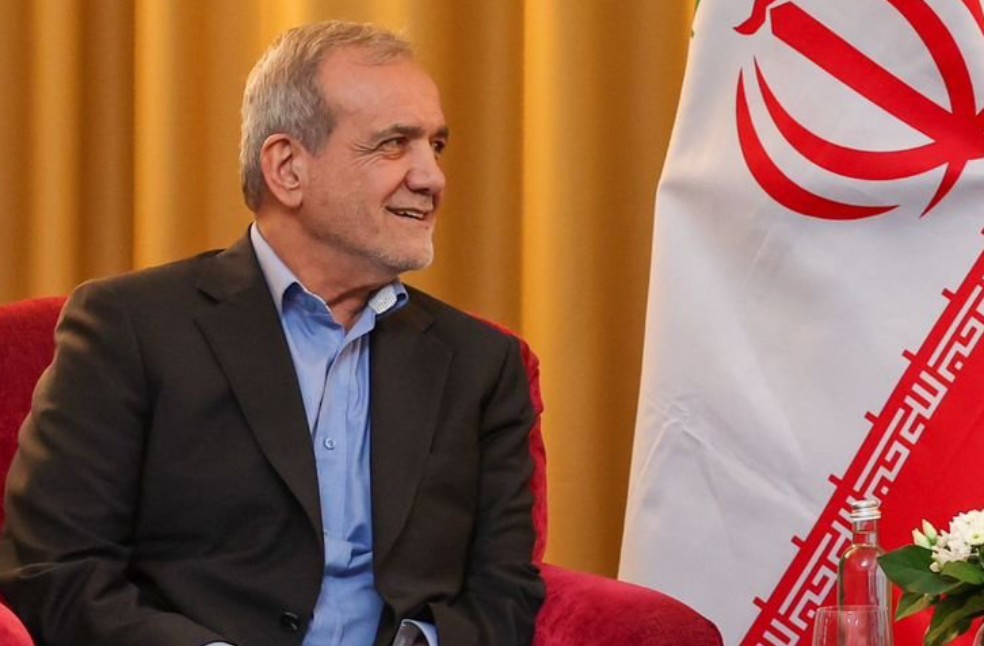
Iranian President Mahmoud Pezeshkian acknowledged the extent of the damage, saying the sites were ‘severely damaged’ and currently inaccessible.
Iran continues to deny it is pursuing nuclear weapons, insisting its uranium enrichment activities are strictly for peaceful purposes.
While Israel believes Iran’s nuclear program has been pushed back by approximately two years, questions remain over whether the destruction was as comprehensive as the Trump administration suggests and how soon Iran might recover if given the opportunity.
MOST READ | Lavrov and Rubio discuss Ukraine peace efforts at ASEAN meeting
