


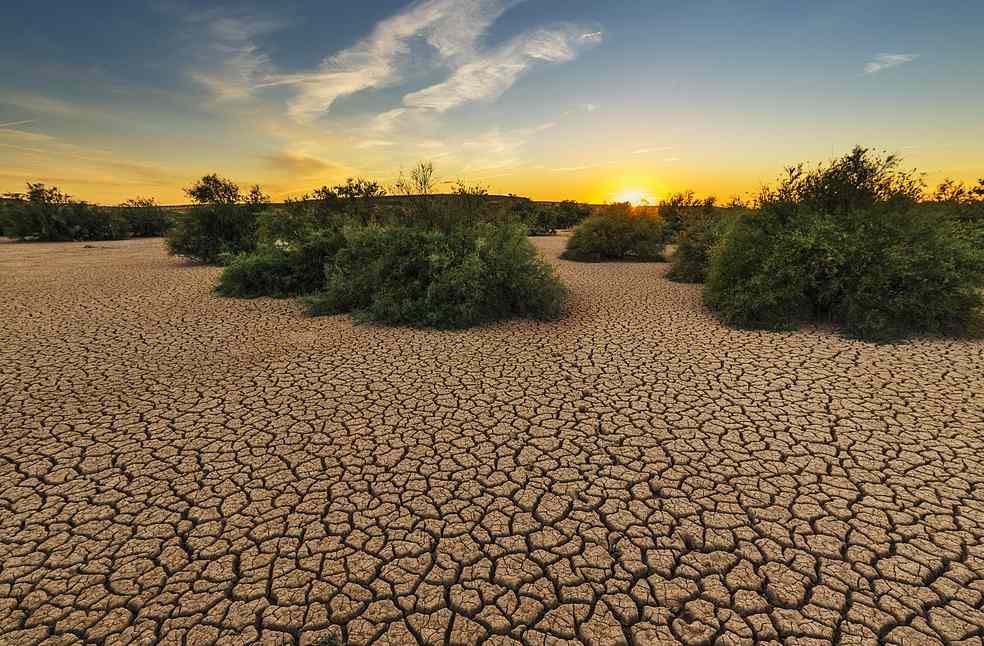
Tehran: Iran has been facing an escalating water crisis this autumn as record-low rainfall and shrinking reservoirs threaten major cities, including the capital, Tehran.
Authorities have urged citizens to conserve water, warning that supplies could soon be rationed if the dry spell continues. President Masoud Pezeshkian said that the government may need to implement strict rationing measures if rainfall does not improve soon.
President warned that even rationing might not prevent a disaster and that evacuation of parts of Tehran could become necessary. The statement has drawn criticism across Iranian media, with former Tehran mayor Gholamhossein Karbaschi saying that the idea of evacuation ‘makes no sense at all’.
The situation at Tehran’s key water sources has reached alarming levels. The Latian Dam is now holding less than ten percent of its capacity, while the nearby Karaj Dam, which supplies water to both Tehran and Alborz provinces, is also close to depletion.
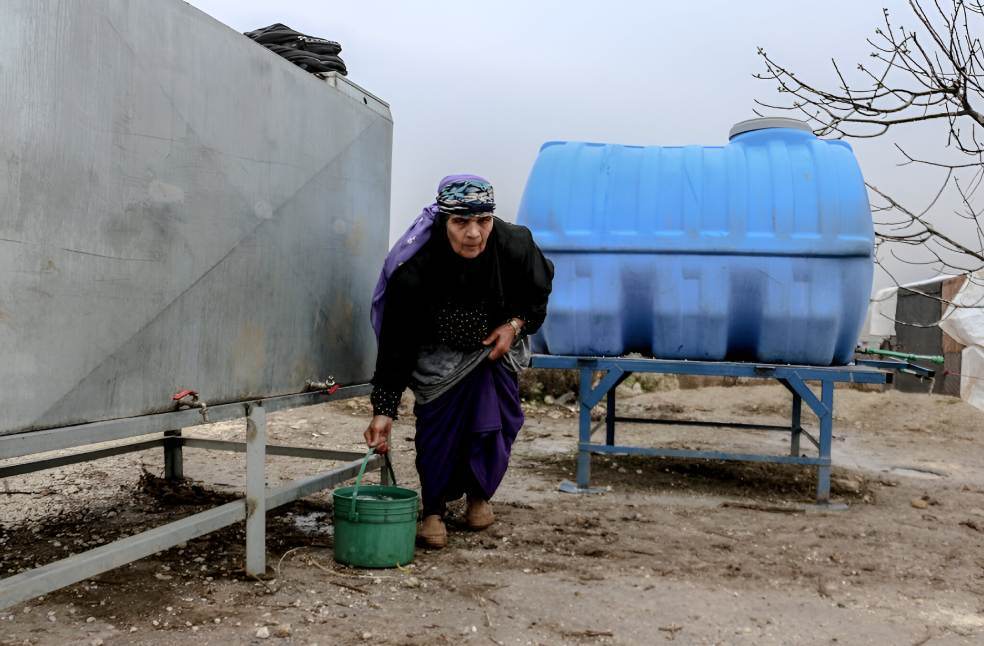
Energy Minister Abbas Ali Abadi has cautioned that the government may reduce water flow to zero during some nights to preserve the remaining supply. Abadi added that penalties would be imposed on households and businesses that exceed consumption limits. Abadi also attributed part of the crisis to Tehran’s ageing water infrastructure, saying that leakage in the century-old network has worsened the shortage.
The minister mentioned that the recent twelve-day conflict with Israel further damaged parts of Tehran’s northern water systems after airstrikes hit the Tajrish area. The Israel Defence Forces later stated that it had targeted Iranian command centres.
Beyond Tehran, the crisis has extended to other provinces. Ahmad Vazifeh, head of the National Centre for Climate and Drought Crisis Management, said that dams in West Azerbaijan, East Azerbaijan, and Markazi are also in a ‘worrying state’, with water levels in single digits.
Experts have long warned that Iran’s chronic mismanagement of water resources and climate change impacts would lead to such conditions. Despite repeated cautions from Supreme Leader Ayatollah Ali Khamenei more than a decade ago, little progress has been made. Now, more than 16 million residents across Tehran, Karaj, and Mashhad are confronting the reality of their taps running dry.
DON’T MISS | Amazon expands low-cost Bazaar app worldwide
