


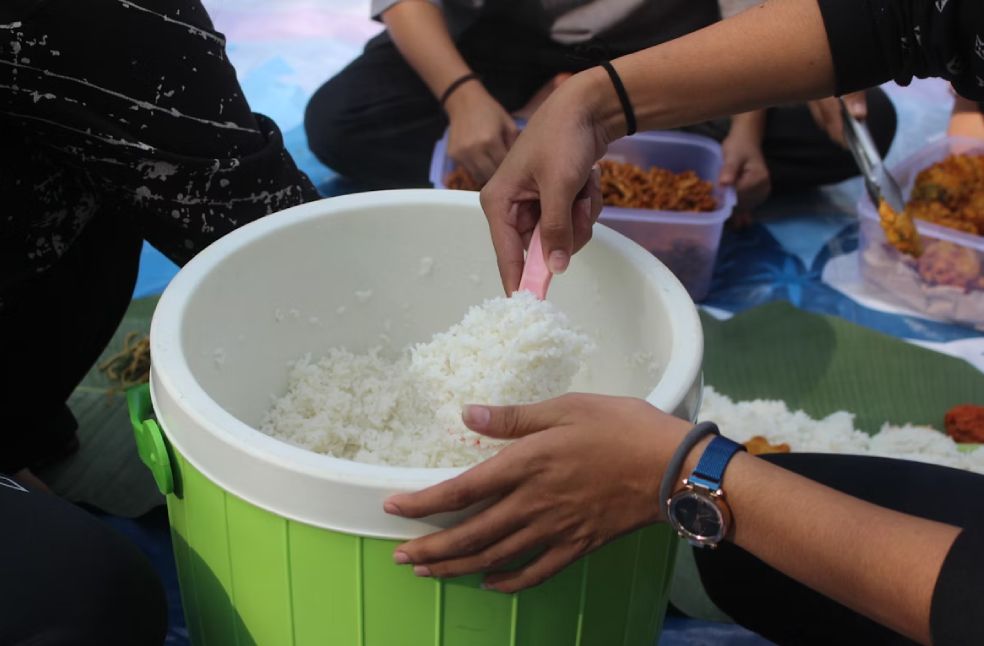
Jakarta: Indonesian authorities have launched an investigation into food poisoning cases linked to the national free school meal programme, after nearly 700 students in Yogyakarta province have fallen ill this week.
The initiative, introduced under President Prabowo Subianto’s administration, has been facing scrutiny as similar incidents have been reported nationwide.
Data from the non-governmental organisation JPPI has shown that around 15,000 children have become ill since the programme began in January. The JPPI has urged authorities to temporarily suspend the distribution of meals until safety and hygiene standards are reviewed. Officials have said that improper food storage and delayed meal delivery are among the key causes of the contamination.
In Gunungkidul, a district within Yogyakarta, around 660 students from two schools have reported symptoms of food poisoning after consuming meals prepared under the initiative, according to regional head Endah Subekti Kuntariningsih.
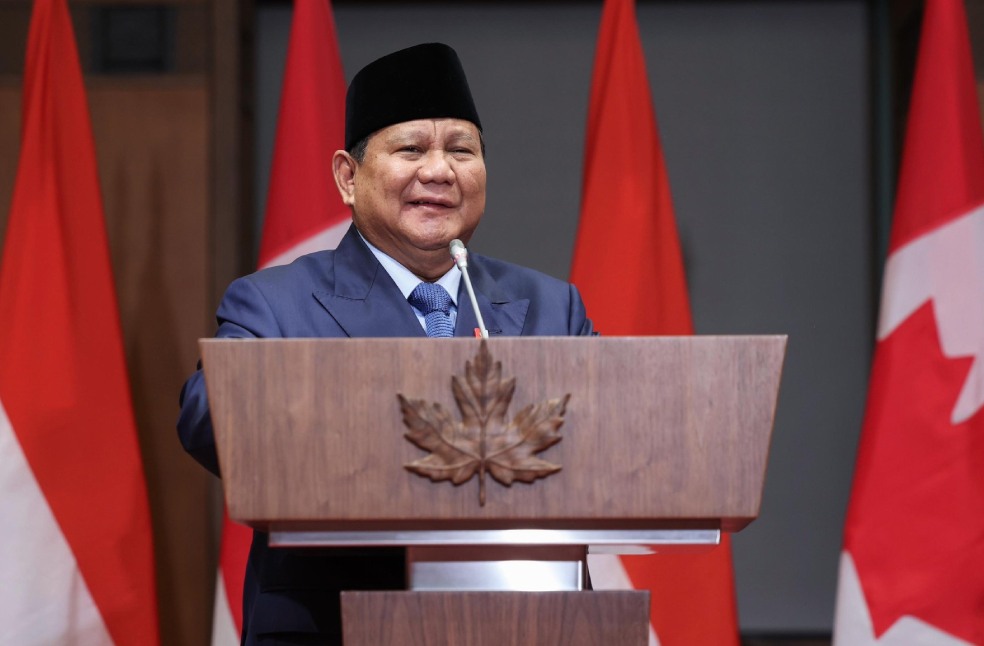
The chief of the National Nutrition Agency (BGN), Dadan Hindayana, has confirmed that an investigation is underway and that several local kitchens have been temporarily closed.
There are about 11,000 kitchens operating across Indonesia as part of the free meal distribution network. The government has planned to provide meals to 70 million recipients by the end of the year, although that figure remains below the initial target of 83 million due to infrastructure constraints.
Authorities have said that the investigation aims to strengthen monitoring and ensure meal safety in future operations. The outcome of the probe is expected to influence both food handling standards and the continuation of Prabowo’s flagship welfare programme.
Health officials have also deployed teams to monitor kitchen hygiene, food sourcing, and delivery timelines to ensure compliance with national safety standards. The ongoing investigation aims to safeguard students’ well-being and restore public confidence in Indonesia’s free meal programme, which remains a key part of the country’s education and welfare strategy.
TOP PICKS | Trump to receive South Korea’s top honour in Gyeongju
