


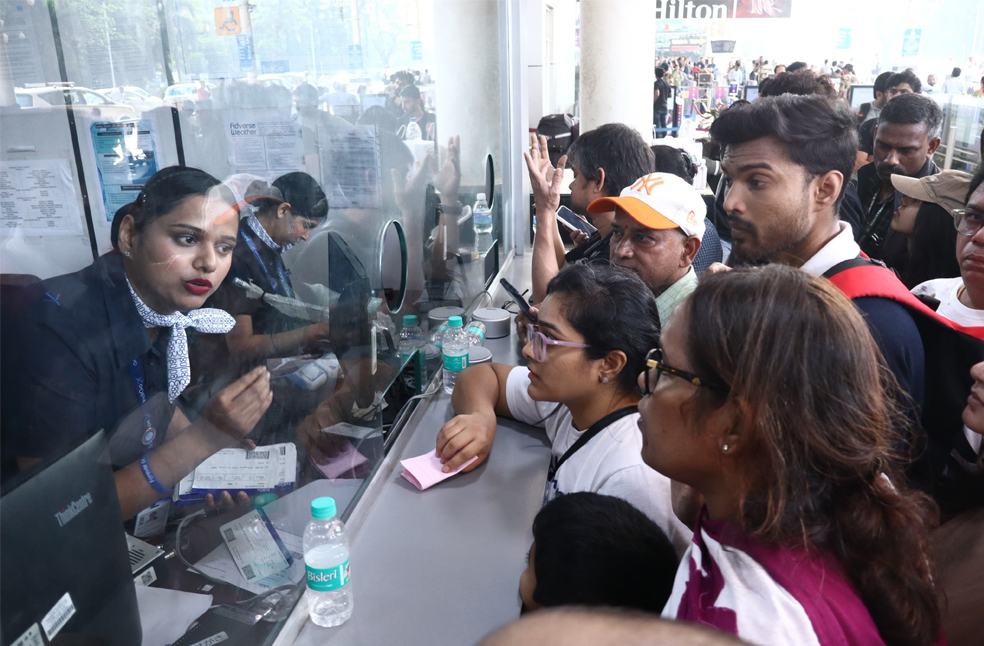
Mumbai/Bengaluru: India has imposed temporary caps on domestic airfares on December 6 after large crowds gathered outside the Mumbai and Bengaluru airports. The move comes as IndiGo continues to cancel flights in what has become the biggest crisis in its 20-year history.
The airline cancelled 385 flights on December 6, marking the fifth straight day of disruptions that have severely crippled air travel across the country.
IndiGo’s problems began after it failed to properly prepare for new pilot duty regulations that took effect on November 1, limiting the number of night landings from six to two and capping night flying hours at 10. The new rules also stipulated that personal leave could not be counted as part of a pilot’s mandatory 48-hour weekly rest period.
— IndiGo (@IndiGo6E) December 6, 2025
IndiGo did not plan its pilot schedules adequately, resulting in a significant shortage of crew. The airline acknowledged the oversight and said that this failure to plan contributed to the widespread cancellations.
Across the week, IndiGo has cancelled thousands of flights. On December 5 alone, over 1,000 flights were scrapped. As a result, passengers found themselves stranded at airports around the country, with many reporting they only learned of cancellations after arriving to check in.
The government responded on December 5 by announcing special relief measures for IndiGo. This included exemptions from some of the new pilot rest rules until February 10, allowing the airline more flexibility. The personal-leave restriction was also temporarily suspended for all airlines to prevent further operational strain across the industry.
In addition, the government arranged extra trains to help clear the mounting backlog of stranded travellers. But despite these efforts, cancellations remained widespread on December 6. Airport sources said that 124 flights were cancelled in Bengaluru, 109 in Mumbai, 86 in New Delhi, and 66 in Hyderabad.
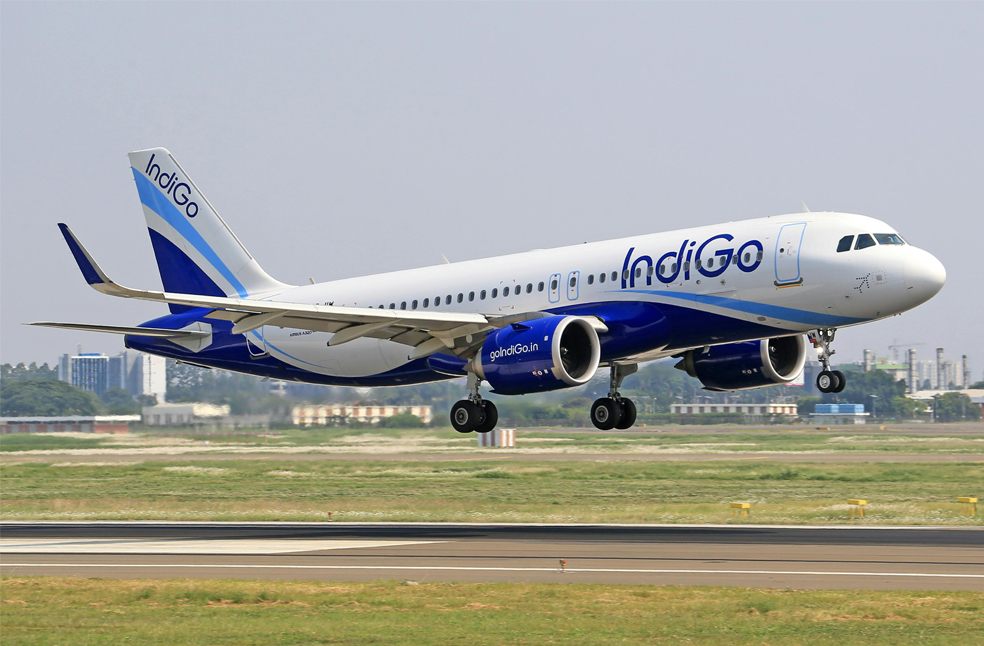
As IndiGo flights were cancelled in large numbers, airfares on other airlines surged on major routes. In response, the government-imposed fare caps to maintain ‘pricing discipline,’ though it did not reveal the exact capped rates.
The government noted that the Civil Aviation Ministry is monitoring fares through real-time data and active coordination with airlines. The last time India capped airfares was during the COVID-19 pandemic in 2020. Delhi airport stated on X that its operations were gradually recovering, but many cancellations persisted across the country.
Pilot unions have strongly objected to the government’s relief measures for IndiGo. The Federation of Indian Pilots argued that these exemptions should not compromise safety, and the Airline Pilots Association of India called the relaxation of rules ‘selective dispensation,’ emphasising that the norms “exist solely to safeguard human life.”
Following the government’s intervention, IndiGo stated that it expects to restore operations to normal levels between December 10 and 15.
RELATED POST | IndiGo Chaos Widens: Cancellations spike across major airports
