


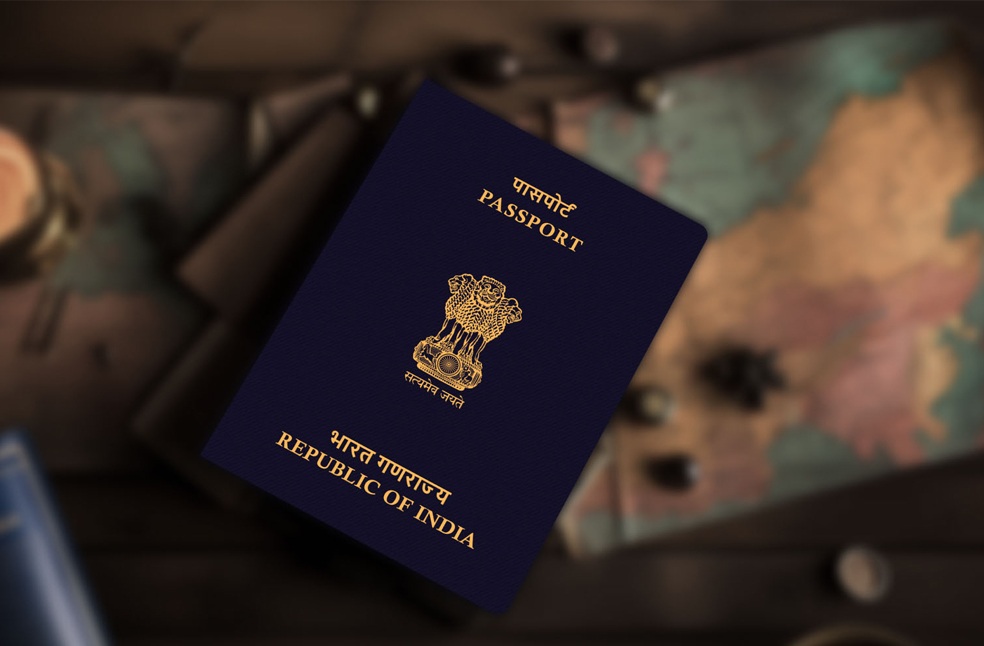
New Delhi: Earlier this year, a viral video sparked debate over the limited travel freedom of Indian passport holders, drawing attention to how difficult it remains for Indians to secure visas for most Western and European destinations.
The clip compared India’s restricted access with the more open travel policies of neighboring countries such as Bhutan and Sri Lanka, reigniting discussions about the country’s global mobility challenges.
This frustration mirrors findings from the 2025 Henley Passport Index, which ranks global passports based on visa-free access. India’s passport slipped five places from last year to 85th out of 199 countries, even as the number of countries offering visa-free travel to Indian citizens has increased. The Indian government has not yet commented on the report.
Countries with far smaller economies, including Azerbaijan (72nd), Ghana (74th), and Rwanda (78th), all rank higher than India, the world’s fifth-largest economy. Historically, India’s position has hovered in the 80s, reaching as low as 90th in 2021.
In stark contrast, Singapore, South Korea, and Japan have consistently dominated the top ranks, with Singapore once again claiming first place in 2025, offering visa-free entry to 193 destinations. South Korea and Japan follow with access to 190 and 189 countries, respectively.
Indian passport holders, meanwhile, can enter 57 countries without a visa, sharing the same rank as Mauritania. Though this number has grown compared to 52 visa-free destinations in 2015, India’s ranking has not improved. In 2014, when Prime Minister Narendra Modi’s BJP came to power, India ranked 76th, later falling to 85th in 2015, climbing to 80th in 2023–24, and dropping again to 85th this year.
Experts explain that India’s stagnant ranking despite more visa-free destinations reflects a more competitive global mobility landscape. China, for instance, boosted its visa-free destinations from 50 to 82 over the past decade, improving its ranking from 94th to 60th.
Fluctuating rank
India’s ranking has fluctuated throughout the year, dropping from 77th in July, when citizens had visa-free access to 59 destinations, to 85th in October after losing access to two countries.
Former Indian Ambassador Achal Malhotra attributes the weak passport ranking to several factors, including political and economic stability, security, and international perception. Malhotra pointed out that countries wary of illegal immigration often limit access for nations with high numbers of overstaying travelers, a challenge India continues to face.
The former Amabssador recalled that during the 1970s, Indians enjoyed visa-free entry to many Western countries, but the Khalistan movement in the 1980s and subsequent political unrest negatively affected India’s global image. Today, issues like passport fraud and slow immigration processes continue to hamper India’s progress. In 2024 alone, Delhi police arrested 203 people over visa and passport fraud cases.
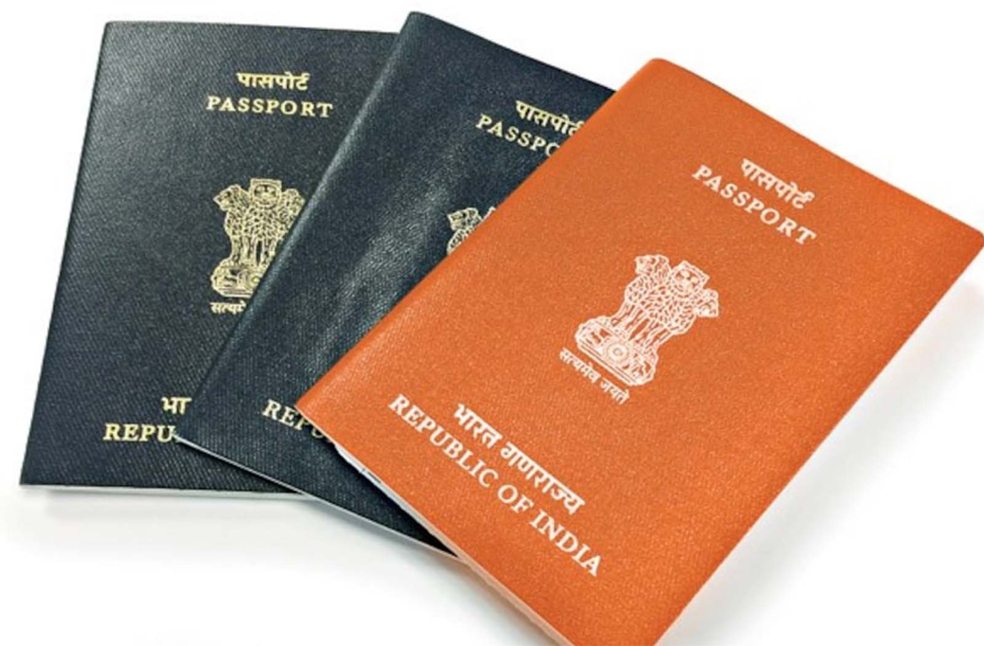
However, experts believe technological improvements such as the introduction of India’s electronic passport (e-passport), featuring a biometric chip for enhanced security, can help rebuild confidence and streamline international travel.
Still, Malhotra stressed that stronger diplomatic outreach and new travel agreements are essential to improving India’s global mobility and passport ranking in the long term.
MOST READ | Global websites restored after major Microsoft outage
