


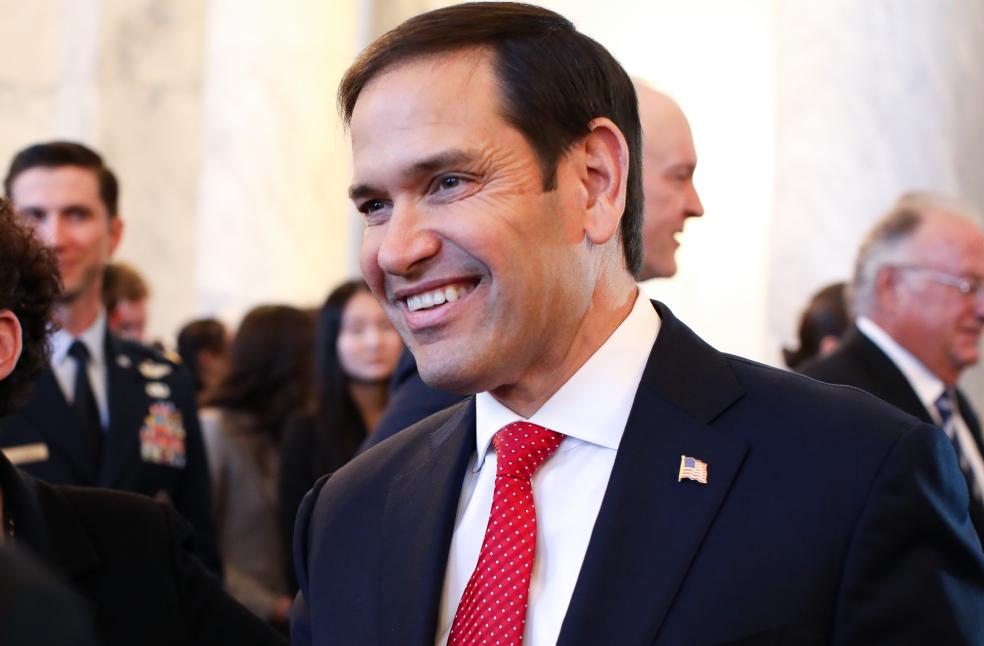
Washington: US Secretary of State Marco Rubio has declared that India’s continued imports of Russian oil remain a point of irritation in its relations with Washington, even as he reiterated that the two countries remain strategic partners.
Rubio’s remarks came just a day after US President Donald Trump threatened to impose 25 percent tariffs on Indian goods, along with an unspecified penalty for New Delhi’s ongoing trade in Russian oil and weapons. Rubio said India was an ally with shared interests, but expressed concern that the country’s growing reliance on discounted Russian crude was hampering ties with the US.
Rubio remarked that, “I think what you’re seeing the President express is the very clear frustration that with so many other oil vendors available, India continues to buy so much from Russia.”
Russia accounted for 35–40 percent of India’s oil imports in 2024, a sharp jump from just 3 percent in 2021, before the Ukraine conflict triggered Western sanctions. India has consistently defended these purchases, arguing that buying cheaper crude is essential for shielding its poor population from high energy prices.
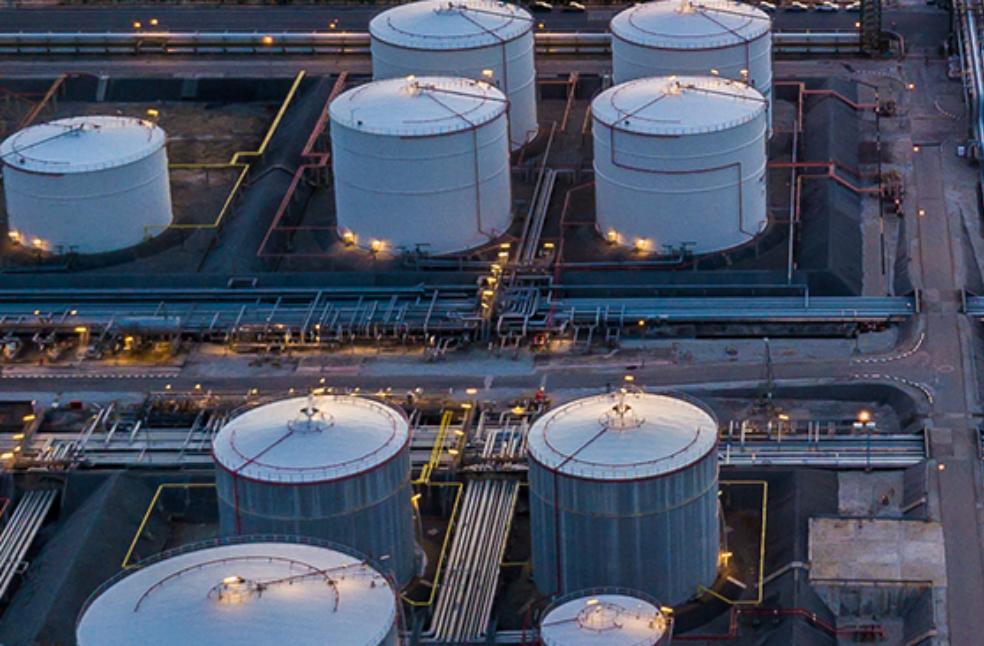
While India has not officially responded to Rubio’s comments, the issue appears to have triggered fresh diplomatic and market reactions.
Several Indian state-run refiners, including Hindustan Petroleum Corp (HPCL), Bharat Petroleum Corp (BPCL), Mangalore Refinery and Petrochemical Ltd (MRPL), and Indian Oil Corp (IOCL) have reportedly halted imports of Russian crude over the past week, with shrinking price advantages.
Investment research firm HSBC Global has also noted a significant decline in India’s Russian oil purchases in July. However, the Petroleum Ministry has denied instructing refiners to stop sourcing oil from Russia. Last month, Petroleum Minister Hardeep Singh Puri stated that India had widened its pool of suppliers from 27 to nearly 40 countries and could easily diversify if Russian supplies were affected by sanctions.
The ratings agency CareEdge noted that the price gap between Russian Ural and Brent crude had narrowed to just $3 per barrel, down from $20 in 2023, suggesting that Russia’s pricing edge may no longer justify the risks. Meanwhile, Trump’s aggressive comments on India’s trade with Russia have triggered strong responses in Moscow.
Trump remarked that, “They can take their dead economies down together, for all I care.” In response, Dmitry Medvedev, Deputy Chairman of Russia’s Security Council, issued what many interpreted as a veiled warning. Referring to Trump’s dead economy remark, he invoked the Cold War-era Soviet nuclear system known as the ‘Dead Hand’, which allegedly allowed automatic nuclear retaliation.
While Washington and Delhi maintain a strong strategic partnership, analysts say the energy and defence trade with Moscow could remain a recurring flashpoint in the run-up to the US elections.
MOST READ | Heathrow Airport unveils expansion plan with 3rd runway
