


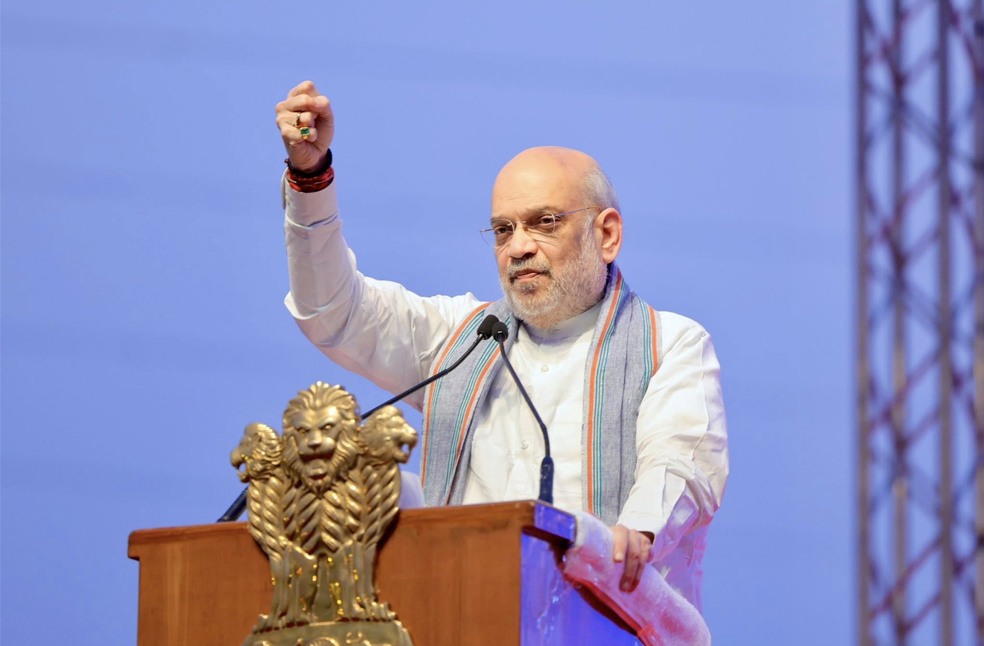
New Delhi: Home Minister Amit Shah has stated that India will never restore the Indus Waters Treaty with Pakistan and will permanently divert the river waters meant for its neighbor to meet domestic needs.
India plans to channel the diverted water to Rajasthan through a new canal project, effectively cutting Pakistan off from water resources it had relied on under the treaty for decades.
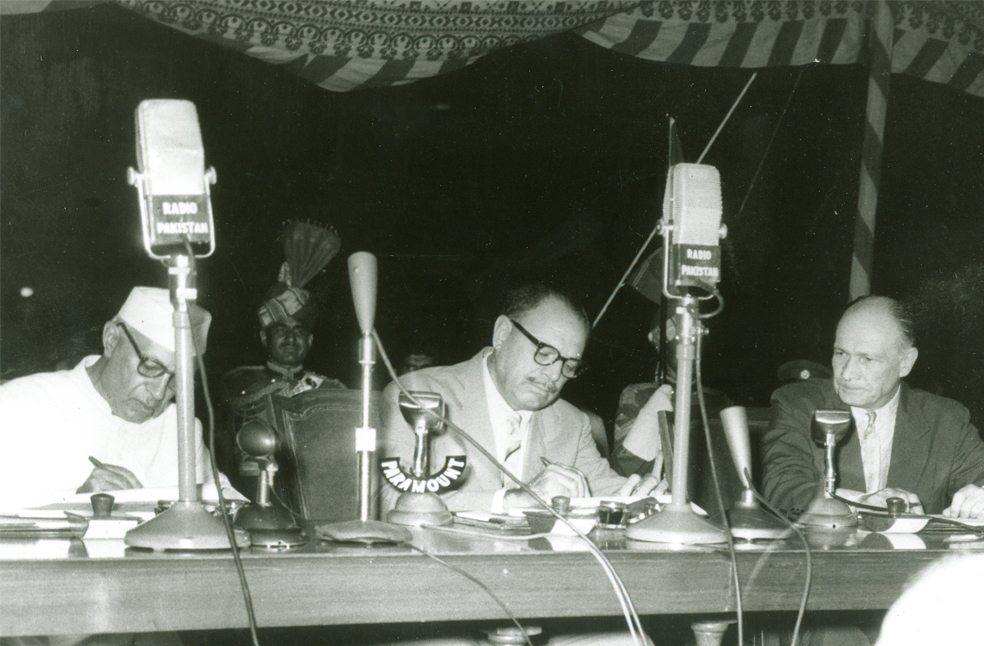
The landmark Indus Waters Treaty, signed in 1960, governs the use of the Indus River system, granting India control over three eastern rivers, Ravi, Beas, and Sutlej, while Pakistan was allocated the three western rivers, Indus, Jhelum, and Chenab. The treaty was signed between Jawaharlal Nehru, then Prime Minister of India, and Mohammed Ayub Khan, then President of Pakistan.
The treaty, brokered by the World Bank, also created a permanent Indus Commission to resolve disputes and had withstood multiple wars and ongoing tensions over the last 65 years.
However, India suspended its participation in the Indus Waters Treaty earlier this year, placing it in ‘abeyance’ following an attack in April that killed 26 people in Indian-administered Kashmir.
New Delhi accused Pakistan-based militants of orchestrating the assault, which triggered days of intense cross-border fighting, one of the worst military escalations between the two nuclear-armed nations in decades.
Although a ceasefire was reached last month, Shah’s latest remarks signal a hardening stance. “It will never be restored,” the Minister said, adding, “We will take water that was flowing to Pakistan to Rajasthan by constructing a canal. Pakistan will be starved of water that it has been getting unjustifiably.”
The treaty currently ensures water supply to 80 percent of Pakistan’s farms, making it vital to the country’s agricultural sector and food security. Shah’s statements have cast a long shadow over any prospects for future negotiations, further escalating already strained bilateral relations.
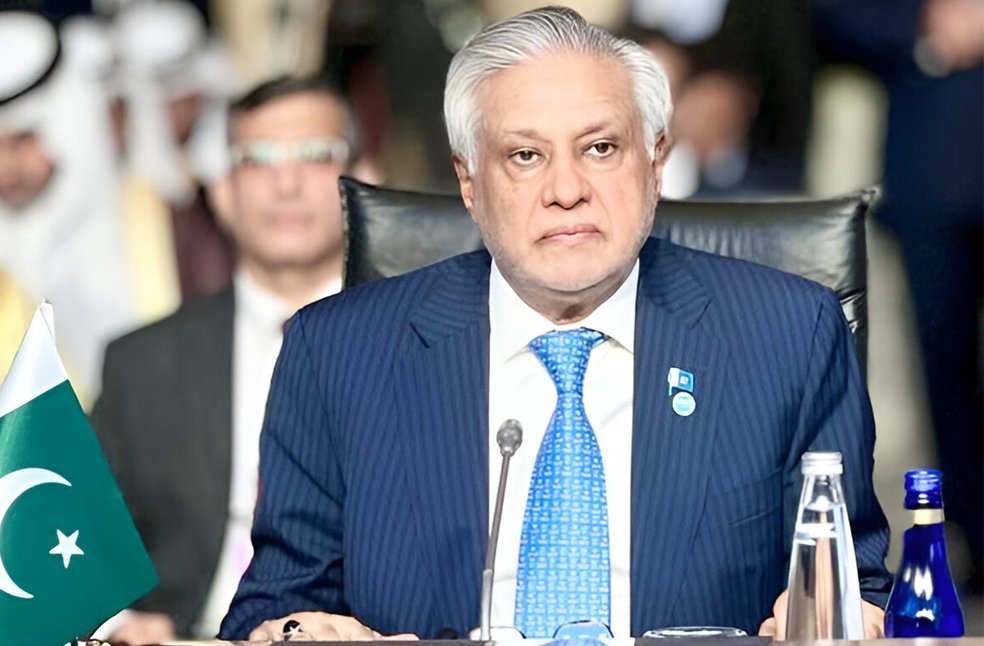
While Pakistan has not yet officially responded to Shah’s comments, it has in the past strongly opposed India’s unilateral actions on the Indus Waters Treaty. Pakistani authorities have insisted that no single party can terminate or amend the agreement without mutual consent, calling any attempt to block river flows an ‘act of war.’ Foreign Minister Ishaq Dar reiterated last month that the treaty is legally binding and not subject to unilateral withdrawal.
Islamabad is reportedly considering legal action under international law to challenge India’s move and uphold the terms of the treaty. Meanwhile, concerns are growing among Pakistani farmers and environmentalists over water scarcity, particularly in light of recent tensions and climate stressors.
The Indus Waters Treaty has long been seen as one of the few areas of enduring cooperation between India and Pakistan.
Shah’s announcement now raises questions about regional water security, international mediation, and future legal challenges, as Islamabad prepares for a new chapter in one of South Asia’s most consequential disputes.
MOST READ | Crash Probe Ongoing: AAIB awaits black box analysis plan
