


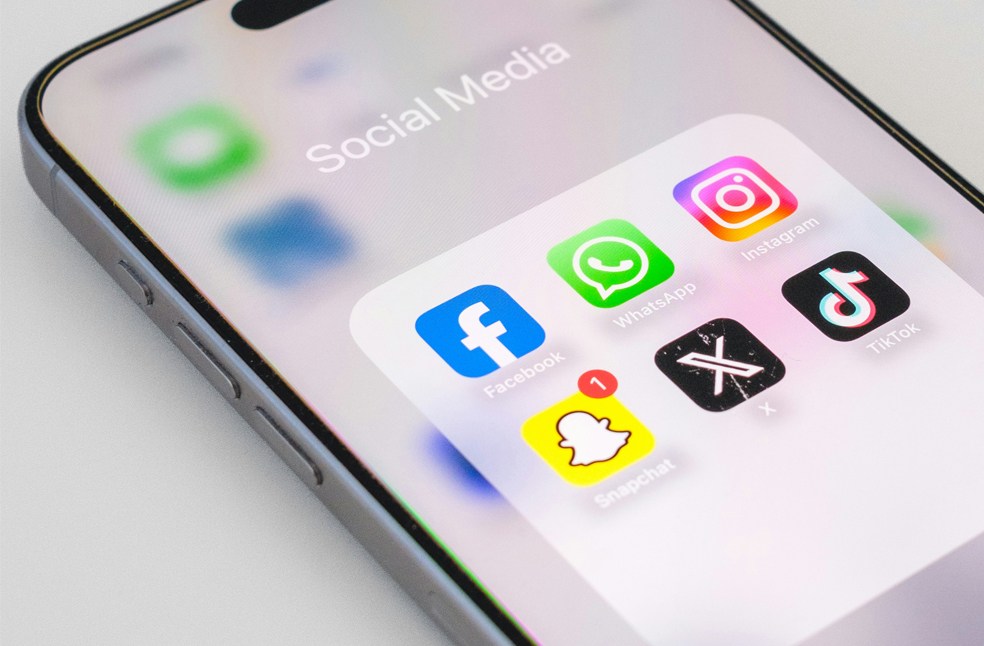
New Delhi: An ally of PM Narendra Modi proposes a bill to ban children from social media, pushing India into the global debate on online safety and data use.
The move places India, one of the largest global markets for platforms such as Meta and YouTube, into the intensifying international debate over the impact of social media on young people’s health, safety, and data use.
Lawmaker L.S.K. Devarayalu said that children in India are increasingly becoming addicted to social media. L.S.K also raised concerns that India is among the world’s largest generators of data for foreign digital platforms.
According to Devarayalu, this data is being used by global technology companies to develop advanced artificial intelligence systems, effectively turning Indian users into unpaid data providers while the strategic and economic benefits are realised outside the country.
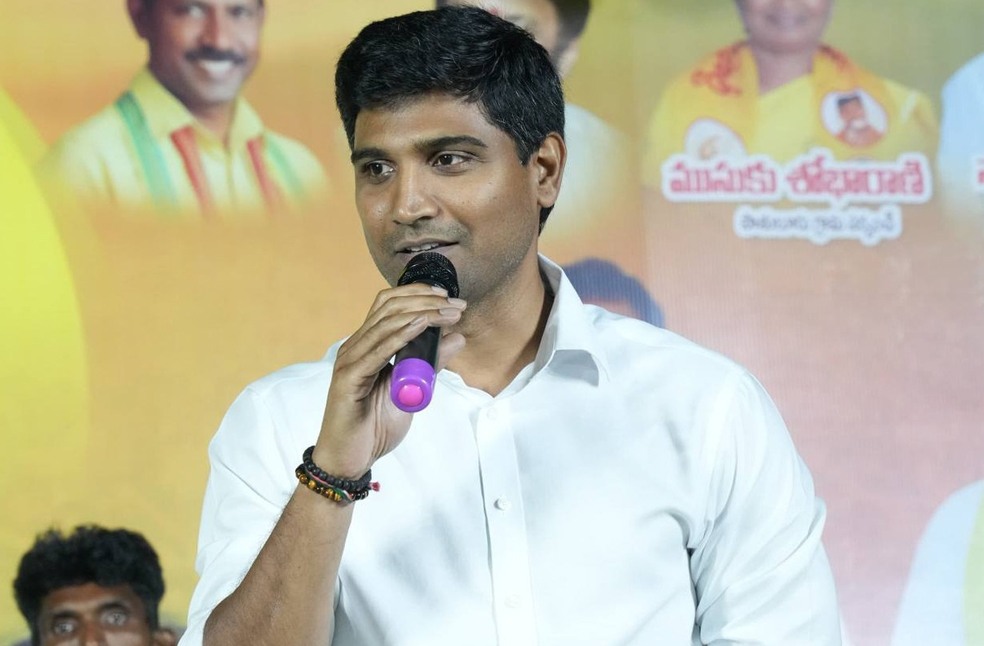
Devarayalu has drafted a 15-page proposal titled the Social Media (Age Restrictions and Online Safety) Bill, which is not yet public but was reviewed by Reuters.
The bill states that no individual under the age of 16 should be permitted to create, maintain, or hold a social media account. Any accounts found to belong to minors would be required to be disabled. He added that the full responsibility for verifying users’ ages should rest with the social media platforms themselves.
The proposal follows similar moves globally. Australia last month became the first country to ban social media access for children under 16, a decision welcomed by many parents and child advocates but criticised by major technology companies and free-speech groups.
France’s National Assembly has backed legislation to ban children under 15 from social media, while Britain, Denmark, and Greece are currently studying the issue. Meta, the owner of Facebook, Alphabet, the parent company of YouTube, and X did not respond to requests for comment on the proposed Indian legislation.
Meta has previously said it supports laws that enhance parental oversight, but warned that governments considering outright bans should be cautious, as restrictions could push teenagers toward less safe and unregulated online platforms. India’s IT ministry also did not respond to a request for comment.
India is the world’s second-largest smartphone market, with around 750 million devices and approximately one billion internet users. Despite this scale, the country does not currently impose a minimum age requirement for social media access.
Adding momentum to the debate, India’s chief economic adviser noted that the country should consider drafting policies on age-based access limits to address what he described as “digital addiction.”
Devarayalu’s proposal is a private member’s bill, meaning it has not been introduced by a federal minister. While such bills do not always become law, they frequently trigger parliamentary debate and can influence future policymaking. Devarayalu is a member of the Telugu Desam Party, which governs the southern state of Andhra Pradesh and plays a crucial role in supporting Modi’s coalition government.
MOST READ | Winter Phenomenon: Exploding trees and frost damage
