


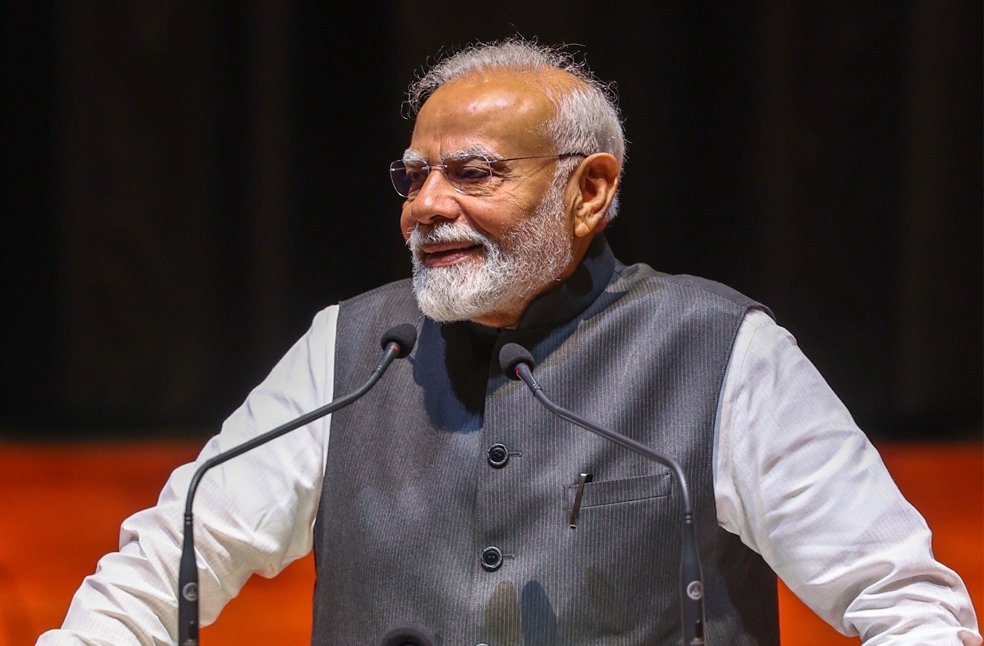
New Delhi: From September 22, Monday, millions of Indians will see a reduction in the cost of living as the government implements sweeping changes to the Goods and Services Tax (GST) regime. The overhaul, announced by Prime Minister Narendra Modi earlier this month, is designed to simplify India’s complex tax structure, stimulate consumer spending, and support economic growth.
Under the revised slabs, everyday essentials including milk, bread, life-saving drugs, and both life and medical insurance will become tax-free. Consumption tax on small cars, television sets, and air conditioners will drop from 28 percent to 18 percent, while household staples such as hair oil, toilet soap, and shampoo will now fall under the lowest bracket of 5 percent, down from 12 percent or 18 percent.
The changes come at the start of India’s festive season, a four-month period when consumer spending peaks across sectors from automobiles to apparel. This period typically accounts for a large portion of annual sales for consumer goods manufacturers, retailers, and automakers.
The government hopes the lower tax burden will help households increase discretionary spending, offset the impact of US tariffs of up to 50 percent on Indian exports, and boost domestic demand, which contributes more than half of India’s GDP.
The reforms also build on earlier pro-consumption measures, including a $12 billion income tax reduction announced in February and interest rate cuts by the Reserve Bank of India. Together, these steps are expected to encourage spending, improve liquidity, and revive household demand.
Corporate India is preparing to pass on the benefits of lower GST to consumers. Major companies such as Reliance, Hindustan Unilever Limited (HUL), and Mahindra & Mahindra are expected to adjust prices, while automakers are set to leverage the tax relief to drive sales amid unsold inventory. Share prices in the automotive sector have already risen between 6–17 percent since the August tax announcement, reflecting renewed investor optimism.
Consumer goods firms anticipate a demand surge extending beyond metropolitan areas, supported by expectations of a good harvest. However, the sudden implementation has created challenges for businesses, including reprinting packaging labels with updated prices and recalibrating production lines to align with fluctuating demand.
Smaller shopkeepers and wholesalers, particularly in markets such as Mumbai’s Crawford Market, have reported slower awareness of the changes, with many lacking the capacity to revise pricing and adjust supply chains quickly.
GST cuts = Positive effect
The textile sector faces mixed outcomes. Garments priced below $29 (₹2,400) will now attract a lower GST rate of 5 percent, making affordable clothing cheaper. However, items above that threshold will be taxed at 18 percent, potentially dampening demand in the high-value apparel and bridal wear segment, where most purchases exceed the new price limit.
At an overall level, analysts expect the GST cuts to have a positive effect on household consumption and economic momentum. The government forecasts revenue losses of approximately $5.4 billion this year, but independent assessments, including those by Moody’s, suggest the shortfall could be higher, placing additional strain on public finances.
Federal tax revenues have shown little growth in the first four months of the year, compared with a 20 percent increase during the same period last year, while government spending has surged by over 20 percent.
With the Modi administration committed to maintaining fiscal discipline and containing the deficit, analysts warn that the revenue impact of the GST cuts could force the government to slow down infrastructure investments in major road and port projects, which have been key drivers of India’s economic growth over the past five years.
ALSO READ | Telecom outage disrupts Dallas airports; Delays 1,800 flights
