


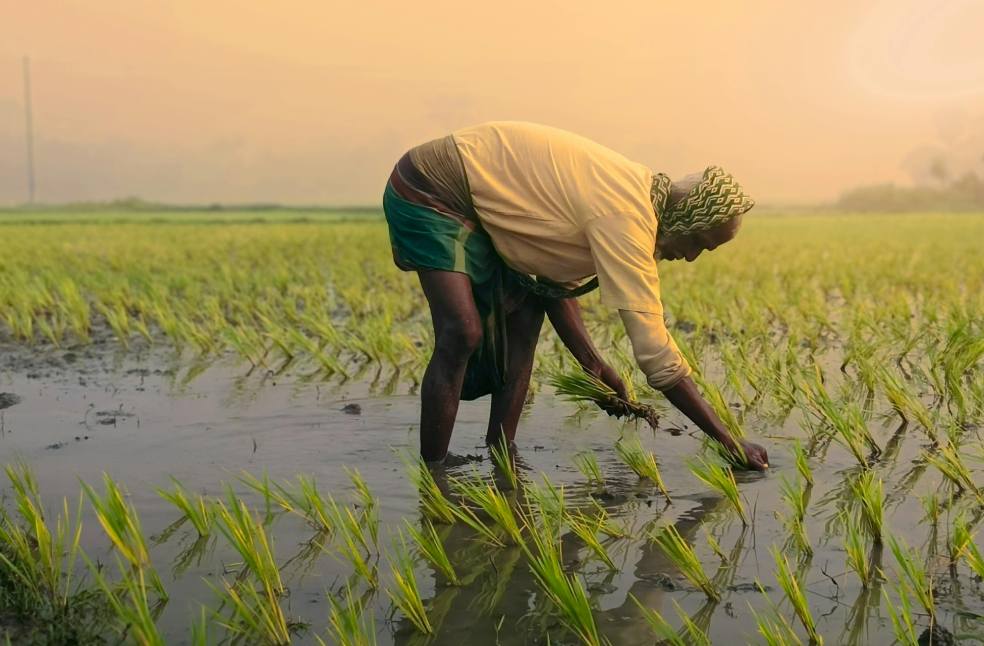
New Delhi: India’s rise as the world’s largest rice producer and exporter has been hailed by policymakers as a triumph of resilient farmers and supportive government policies.
However, behind the record exports lies a growing crisis in the country’s agricultural heartlands, where intensive rice cultivation is rapidly depleting groundwater reserves. India has nearly doubled its rice exports over the past decade, with shipments exceeding 20 million metric tonnes in the latest fiscal year.
The country now accounts for about 40 percent of global rice exports, giving it a pivotal role in international food markets. Yet interviews with farmers, officials and agricultural scientists reveal mounting concern that water-intensive rice farming is pushing already-stressed aquifers toward exhaustion.
In key rice-producing states such as Punjab and Haryana, groundwater levels have dropped sharply over the past decade. Farmers say borewells that once reached water at around 30 feet now need to be drilled as deep as 80 to 200 feet, significantly raising costs. Government data and research from Punjab Agricultural University confirm the accelerated decline over the past five years.
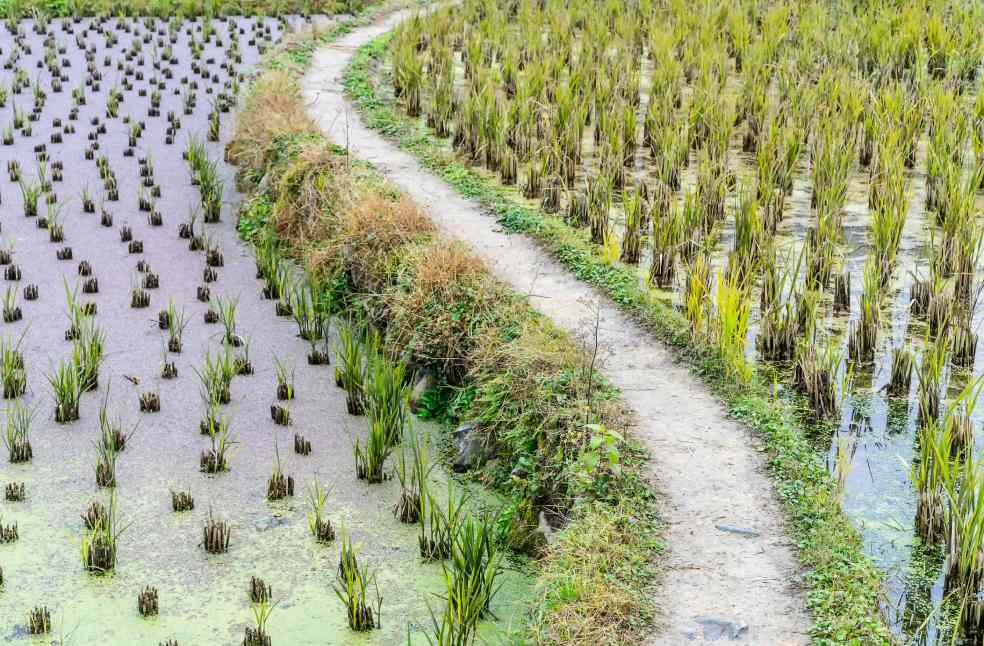
Experts point to government subsidies as a major factor sustaining rice cultivation despite water stress. These include a guaranteed minimum support price for rice, which has risen by about 70 percent over the past decade, and electricity subsidies that make groundwater extraction cheaper. Analysts argue that these incentives discourage farmers from shifting to less water-intensive crops.
Avinash Kishore of the International Food Policy Research Institute stated that, “The net effect is that one of the world’s most water-stressed countries is effectively paying farmers to consume vast amounts of groundwater.”
The pressure is particularly acute in Punjab and Haryana, where rice farming depends heavily on groundwater rather than surface irrigation. Even after two years of strong monsoon rains, extraction has far outpaced natural recharge. Government figures show the two states draw 35 percent to 57 percent more groundwater annually than their aquifers can replenish, leading authorities to classify large areas as over-exploited or critical.
Local administrations have responded by banning new borewells in severely affected zones, but farmers say this has only increased costs for maintaining and upgrading existing wells. Sukhwinder Singh, a 76-year-old farmer in Punjab, said he spent up to 40,000 rupees last season on equipment and labour to keep irrigating his rice fields.
Producing one kilogram of rice requires an estimated 3,000 to 4,000 litres of water, up to 60 percent more than the global average. While larger farmers can still manage by navigating subsidies and investing in deeper wells, smaller growers are struggling.
There are tentative signs of policy shifts. Haryana has introduced a subsidy to encourage farmers to grow millets and other less water-intensive crops, but the incentive is limited to a single season and uptake has been modest. Agricultural economists argue that longer-term support is needed to make crop diversification viable.
Despite the challenges, many farmers say they are open to change if assured of stable prices. As India continues to dominate global rice markets, experts warn that balancing export ambitions with water sustainability will be critical to safeguarding both farmer livelihoods and the country’s long-term food security.
POPULAR | Hayley puts Derby on high alert with destructive winds forecast
