


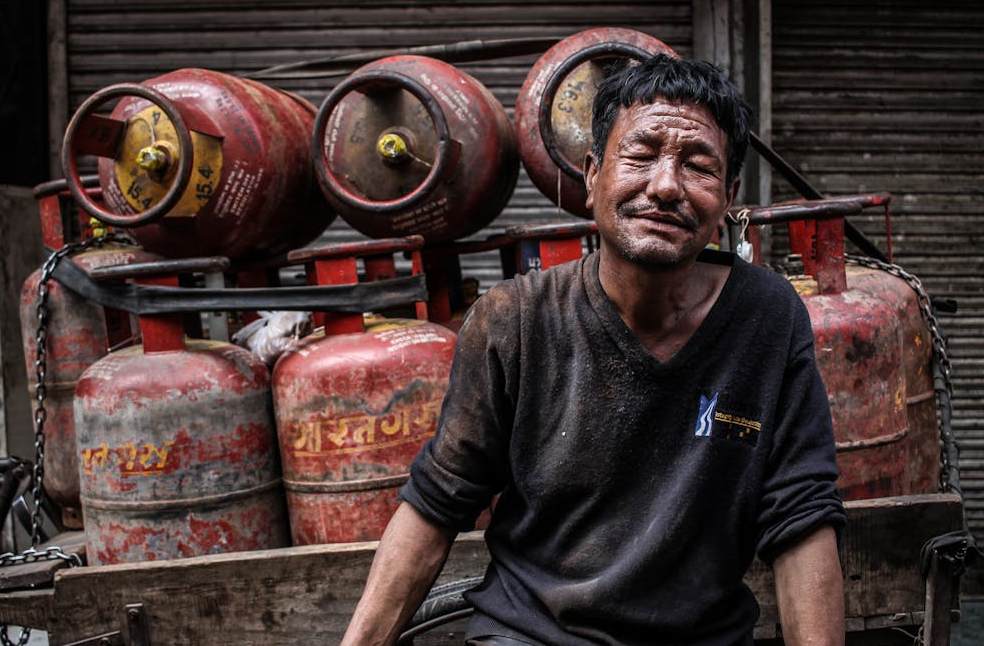
New Delhi: India’s hospitality industry has warned of potential disruptions and shutdowns as LPG supplies tighten following the ongoing Iran conflict.
Restaurants and hotels across the country have raised concerns about the shortage of cooking gas, which is widely used in commercial kitchens. Industry groups have alerted authorities that limited access to LPG could affect daily operations for restaurants, food chains and hotels.
The shortage has emerged as the United States and Israel’s conflict with Iran has disrupted shipping routes in the Gulf and the Strait of Hormuz. These waterways are vital for global energy trade, and the disruption has increased transport costs and energy prices while affecting exports from major Gulf producers such as Qatar and Saudi Arabia.
India relies heavily on imported liquefied petroleum gas, making the country vulnerable to global supply disruptions. The government has stated that India is the world’s second largest importer of LPG, with imports meeting about two thirds of domestic consumption.
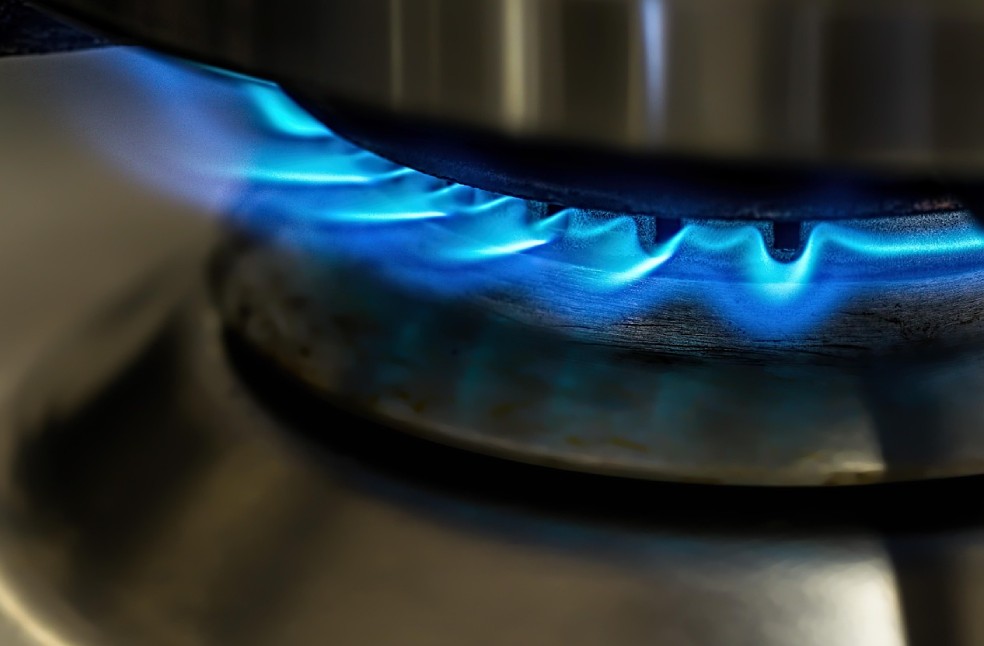
To manage the situation, India invoked emergency powers last week to instruct oil refiners to increase domestic production of cooking gas. While the move aims to ensure household supply, the hospitality sector has reported difficulty in securing enough fuel for commercial operations.
In response to appeals from hospitality industry groups, India’s oil ministry has established a special panel to review requests for LPG allocations to restaurants and other commercial sectors. At the same time, fuel prices in India have begun rising due to higher import costs. Domestic companies have increased LPG prices for the first time in about a year as global energy prices climb amid the conflict.
The supply situation has worsened after Qatar, the largest supplier of liquefied natural gas to India, halted production last week following Iranian strikes on Gulf countries in retaliation for United States and Israeli attacks.
With supplies tightening and demand continuing, restaurant owners have warned that prolonged shortages could force many businesses to reduce services or temporarily close operations.
MOST READ | Romania tightens gambling laws; Cities gain ban powers
