


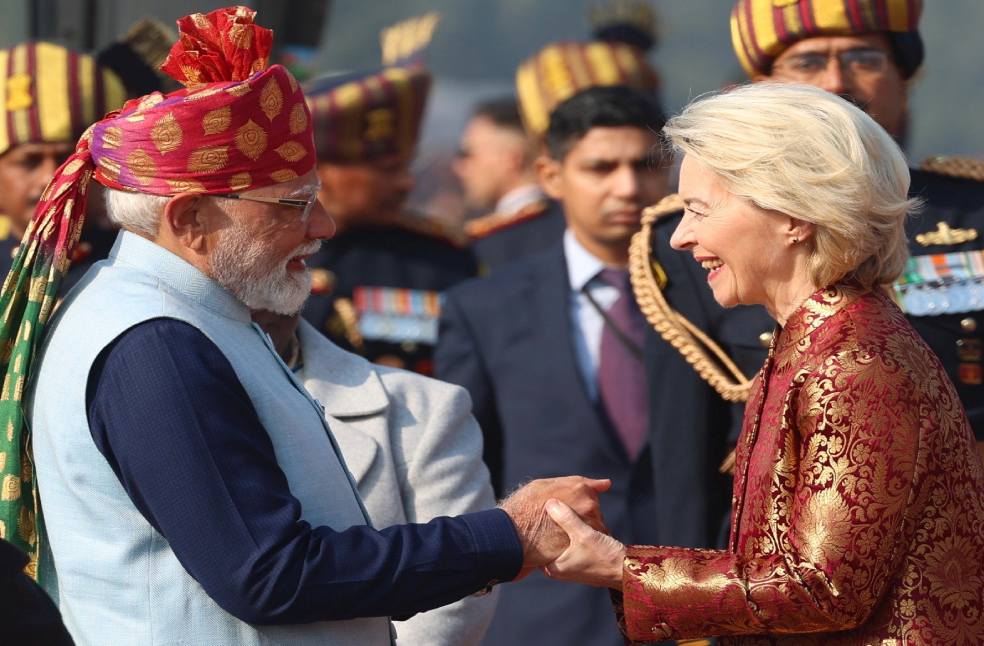
New Delhi: Trade deal negotiations between India and the European Union have reached a decisive conclusion, marking one of the most significant economic agreements in recent years.
The development has come after sustained diplomatic engagement and reflects a shared intention to expand strategic and commercial cooperation beyond traditional partnerships. India’s Commerce Secretary Rajesh Agarwal has confirmed that negotiations have been completed and the agreement has been finalised.
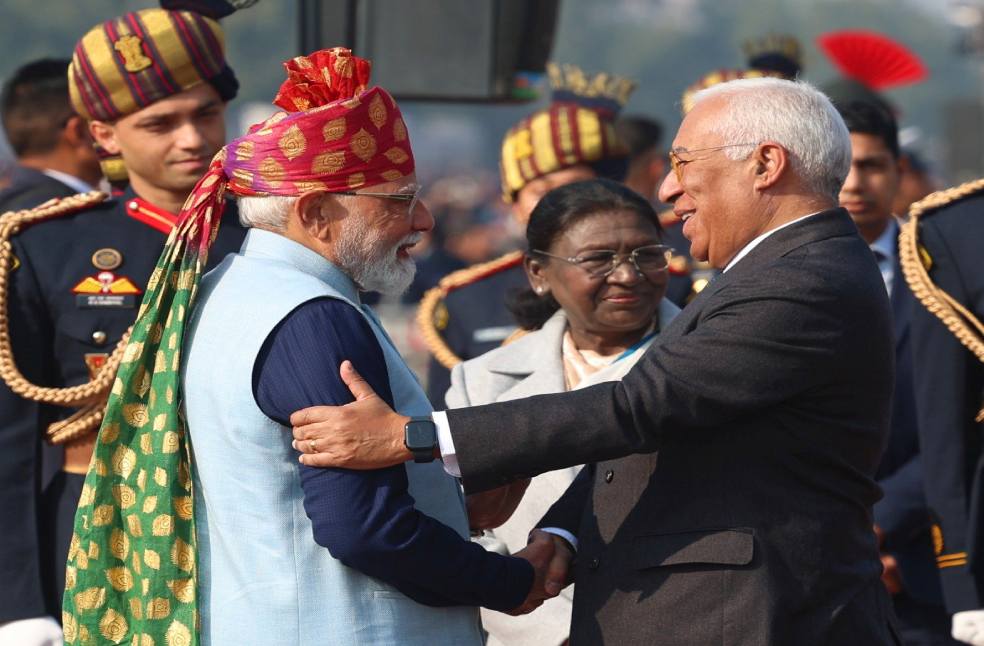
The announcement is expected in New Delhi during the visit of European Commission President Ursula von der Leyen and European Council President António Luís Santos da Costa, who have attended India’s Republic Day celebrations as chief guests. A formal signing is anticipated later this year after approvals by the European Parliament and the European Council.
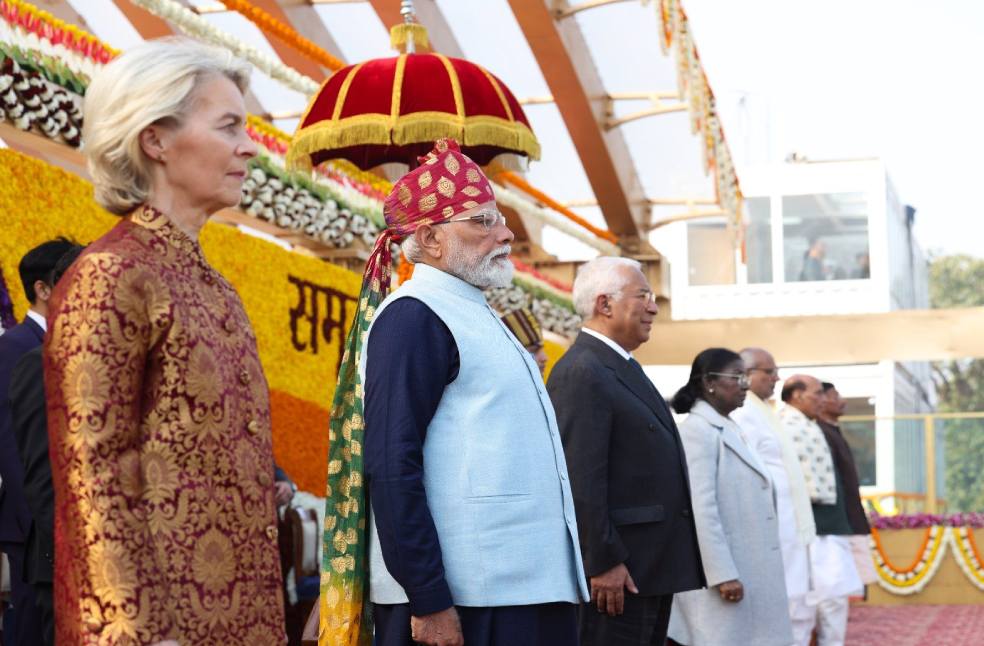
The trade deal has been designed to improve market access for Indian exports while easing entry for European goods and investments into India. Sectors such as automobiles, beverages, manufacturing, pharmaceuticals and renewable energy are expected to see notable benefits. Analysts believe the agreement will create stronger supply chains and provide stability to exporters on both sides.
European leaders have emphasised that the agreement sends a powerful political message in favour of trade partnerships over protectionism. António Costa has stated that the deal highlights the importance of cooperation at a time when several countries are increasing tariffs. Ursula von der Leyen has said Europe and India are committed to shaping a new global economic order through collaboration.
The trade deal also carries major economic weight. Together, India and the EU represent around 25 percent of global GDP and one-third of world trade. In the 2024–25 financial year, bilateral merchandise trade reached $136 billion (£99.4 billion), almost double the volume recorded a decade earlier. The EU remains India’s largest trading partner in goods.
Negotiations for the trade deal first began in 2007 but stalled in 2013 due to disagreements over market access, regulatory standards and carbon-related tariffs. Talks resumed in 2022, with both sides intensifying efforts to conclude the agreement amid growing geopolitical pressures from the United States and uncertainty in global markets.
The agreement has been described by Indian and European officials as the “mother of all trade deals,” reflecting its scale and long-term impact. It is also part of a broader trend, with India having signed recent trade agreements with the UK, Oman and New Zealand, while the EU has concluded a major deal with Mercosur earlier this year.
The trade deal is expected to provide stability for businesses, attract new investment, and reinforce India–EU relations as a cornerstone of global trade cooperation.
POPULAR | Gold price hits $5,000 as global uncertainty drives demand
