



New Delhi: A new study from Maulana Azad Medical College, published in the journal Music and Medicine, shows that listening to calming music during surgery can reduce anaesthetic drug requirements and improve recovery.
Patients exposed to soft flute or piano music needed lower doses of propofol and fentanyl, had smoother recoveries, better-controlled blood pressure, and lower stress-hormone levels (cortisol) compared with patients who heard no music.
Music and Medicine
The research centers on patients having laparoscopic cholecystectomy, a common minimally invasive surgery to remove the gallbladder. Typically lasting less than an hour, the procedure requires patients to recover quickly and regain full alertness.
The research included a pilot study of eight patients, followed by a full 11-month trial involving 56 adults aged 20–45, randomly assigned to two groups. Both groups wore noise-cancelling headphones, but only one group heard music.
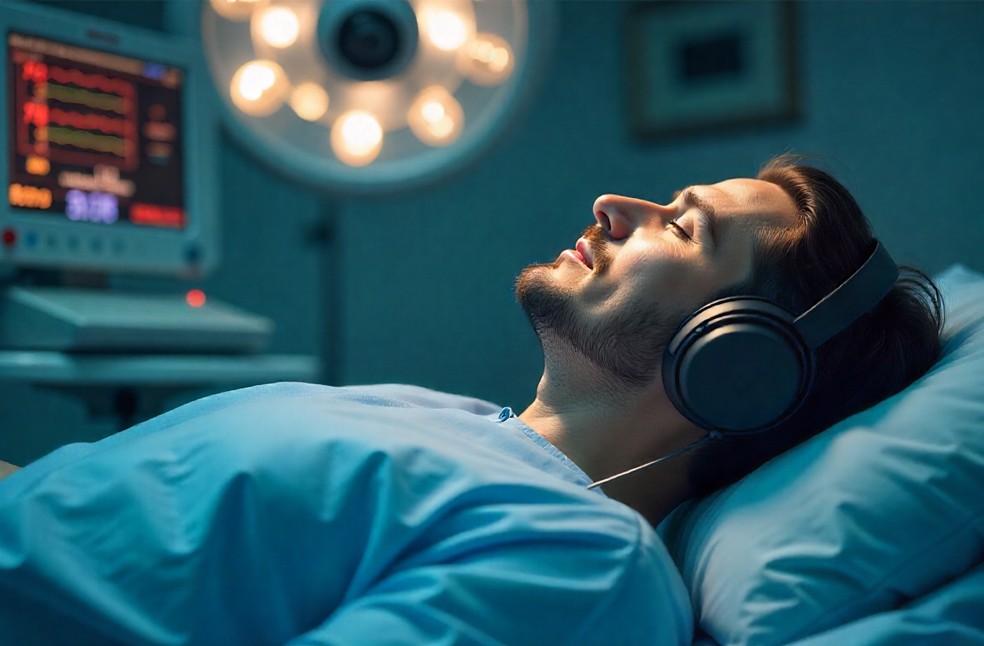
Patients were allowed to choose between the two calming instrumental options. Even though they would not consciously remember the music, the study found that it positively influenced their stress response during surgery.
Modern anaesthesia is complex, combining general anaesthesia with regional blocks to numb nerves and control the body’s response. The stress of surgery, including intubation and laryngoscopy, which trigger heart rate spikes and hormonal surges, can slow recovery.
By reducing this physiological stress, music allows patients to wake up more alert, oriented, and pain-free, aligning with the modern goal of early, safe discharge after surgery.
Dr. Farah Husain, Senior Specialist in Anaesthesia and a certified music therapist for the study, explained that, “Our aim is early discharge after surgery. Patients need to wake up clear-headed, alert, and oriented, and ideally pain-free. With better pain management, the stress response is curtailed.”

Dr Sonia Wadhawan, director-professor of anaesthesia, noted that while patients may not recall the music, ‘the brain registers it,’ demonstrating that the unconscious mind can respond to positive stimuli even under deep sedation.
The study underscores that non-pharmacological interventions like music are not only feasible but beneficial in highly technical surgical environments. Music therapy, long used in psychiatry, stroke rehabilitation, and palliative care, is now proving its value in anaesthesia.
Even small reductions in drug use can lead to faster awakening, steadier vital signs, and fewer side effects, potentially reshaping post-operative care and surgical wellbeing.
As the research team plans to explore music-aided sedation further, the study highlights a profound truth: even under anaesthesia, the brain can respond to gentle, comforting notes, helping the healing process begin before patients fully regain consciousness.
ALSO READ | Princess of Wales urges end to addiction stigma in UK
