



Stockholm: IKEA is preparing to significantly increase the number of products it sources from US-based factories, a shift driven in part by higher import costs resulting from President Donald Trump’s tariffs on items such as bookcases, sofas, and mattresses.
The move marks a major change for the Swedish furniture retailer, whose share of US-manufactured products has fallen over the last decade. Inter IKEA, the firm’s brand franchiser, once operated a plant in Danville, Virginia, but shut it down in 2019 and shifted production back to Europe.
The strategy follows IKEA’s broader aim to produce goods closer to where they are sold, supporting expansion in the company’s second-largest market, the United States, and across the wider region where it also operates stores in Canada, Mexico, Chile, and Colombia, with expansion plans for Costa Rica and Panama.
According to Susanne Waidzunas, Global Supply Manager at Inter IKEA, the company is redesigning its global supply chain to be more resilient, responsive, and robust, especially as stores across the Americas currently depend heavily on imported furniture that requires long delivery times.
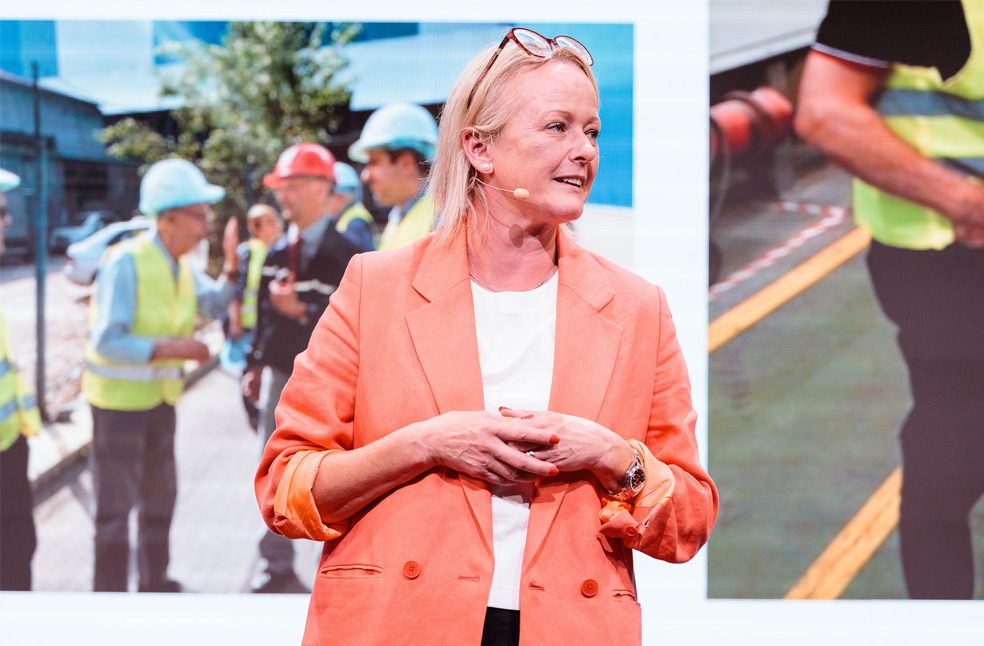
Waidzunas explained that producing furniture nearer to customers enables IKEA to react quickly to both rising and falling demand. While the strategy predates this year’s tariff increases, the Manager acknowledged that the timing is now advantageous.
“The closer we can build, the faster we can react from a supply perspective, both when it goes up in demand but also when it goes down,” the Global Supply Manager added.
IKEA, known for its low-price model, was forced to raise the price of some US products to counter tariff effects, contributing to two consecutive years of declining sales, even as it lowered prices elsewhere to attract consumers pressured by inflation.
A key part of the shift includes the expansion of SBA Home, a Lithuanian IKEA supplier, which is ramping up production at its first US factory in Mocksville, North Carolina.

The plant represents a $70 million investment, partly supported by Inter IKEA. CEO Jurgita Radzevice stated that the highly automated facility is steadily increasing capacity and is expected to produce 2 million pieces of furniture annually, including top-selling items such as KALLAX shelving units.
Currently, IKEA relies far more on imports in the US than in other regions: only 15 percent of products sold in its American stores are made domestically, down from 19 percent in 2014. By contrast, 70 percent of products sold in Europe and 80 percent sold in Asia are sourced within those regions.
IKEA’s top global sourcing countries remain China, Germany, Italy, Lithuania, and Poland. Waidzunas noted that although manufacturing in the US costs more, global shipping has become more expensive and less dependable since the COVID-19 pandemic.
IKEA now intends to buy more from existing American suppliers, such as Sauder Woodworking in Ohio, and is seeking additional US partners, particularly for bulky items, intending to produce most mattresses locally to reduce shipping costs and improve supply responsiveness.
MOST READ | IndiGo Chaos Widens: Cancellations spike across major airports
