


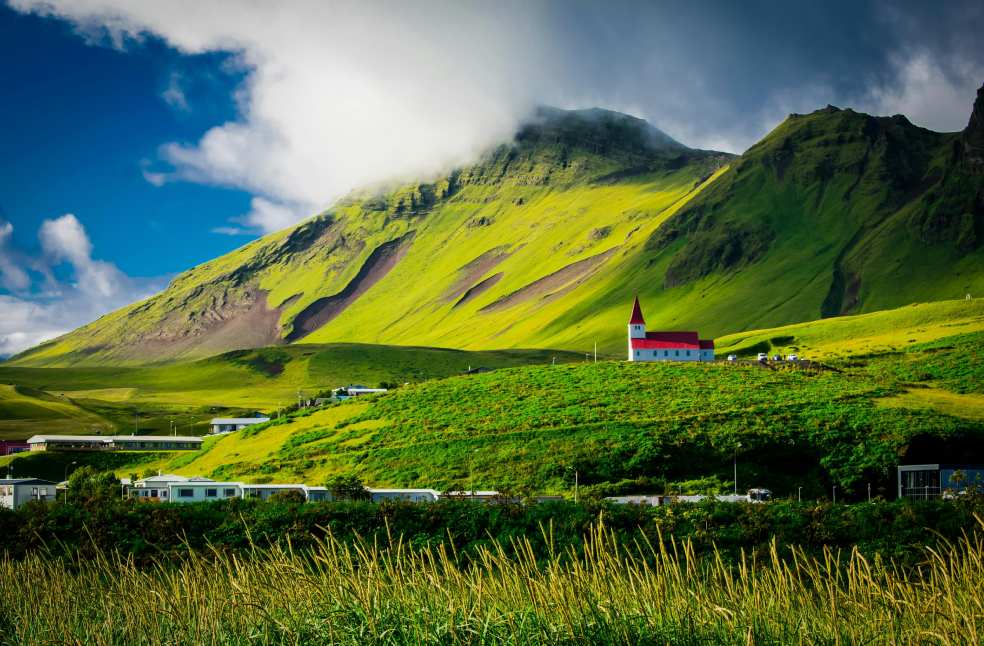
Reykjavík: Iceland has witnessed an extraordinary weather event after record-breaking temperatures were recorded on Christmas Eve, marking the warmest December 24 since measurements began.
The Icelandic Meteorological Office has confirmed that the eastern town of Seyðisfjörður reached 19.8C, far exceeding the country’s typical December temperature range of between -1C and 4C.
The warmth was not isolated to a single location. A temperature of 19.7C was also recorded at Bakkagerði in eastern Borgarfjörður, placing the day among the hottest December dates ever observed in Iceland. The previous December record stood at 19.7C, recorded on December 2, 2019 in Kvískerjar in the Öræfi region.
Meteorologists have attributed the extreme temperatures to an unusual atmospheric setup. Warm air of tropical origin has moved over Iceland, driven northwards by a strong high-pressure system. This system has drawn in warm, moisture-rich air from the south while simultaneously blocking colder Arctic air from entering the region.
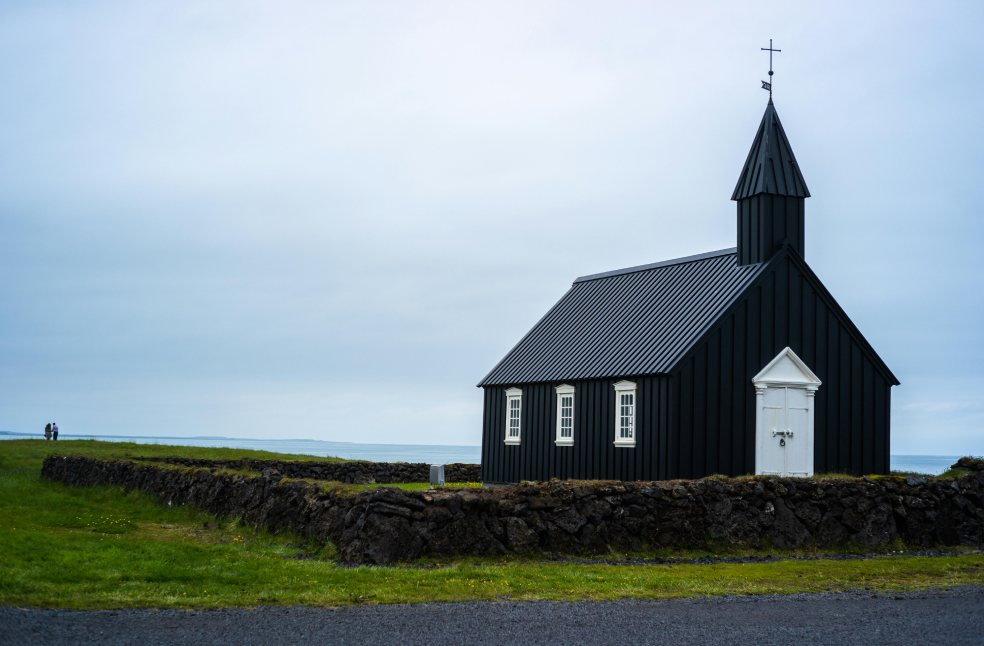
Iceland has increasingly experienced warmer conditions as global heating continues to intensify due to the combustion of fossil fuels and the release of greenhouse gases. Earlier this year, the country endured record-breaking heat during May, with temperatures running between 3C and 4C above seasonal averages across large areas.
Data from the Icelandic Meteorological Office has shown that 94 percent of long-running automatic weather stations registered new May temperature records. The highest reading reached 26.6C at Egilsstaðir airport in eastern Iceland on May 15, an exceptional figure for a country located near the Arctic Circle.
Environmental changes linked to rising temperatures have become more visible. Mosquitoes have been detected in Iceland for the first time, signalling a shift in ecological conditions previously considered inhospitable to such insects. Scientific studies have shown that the Arctic is warming at around four times the global average rate.
The warming trend has already had significant consequences, including glacier collapse and changes in marine ecosystems, with warmer-water fish species increasingly appearing in Icelandic waters. Climate experts have warned that such extreme temperature events are likely to become more frequent as global warming continues.
TRENDING | Meta buys AI startup Manus to expand advanced AI capabilities
