


Vienna: For the first time in 20 years, the International Atomic Energy Agency’s (IAEA) board of governors has formally declared Iran in non-compliance with its nuclear non-proliferation obligations.
This move follows increasing concerns over Iran’s lack of transparency regarding undeclared nuclear materials and activities. Of the IAEA board’s 35 member countries, 19 voted in favor of the resolution, backed by the US, UK, France, and Germany.
The resolution asserts that Iran’s persistent failure to cooperate with the agency and its growing stockpile of enriched uranium raises serious doubts about the peaceful nature of its nuclear program. Uranium enriched to high levels can be used both for civilian reactor fuel and, at higher purities, for nuclear weapons.
The resolution reflects growing international concern after a recent IAEA report criticized Iran’s general lack of cooperation and warned that the country has accumulated enough uranium enriched to 60 percent purity, close to weapons-grade to potentially build nine nuclear bombs.
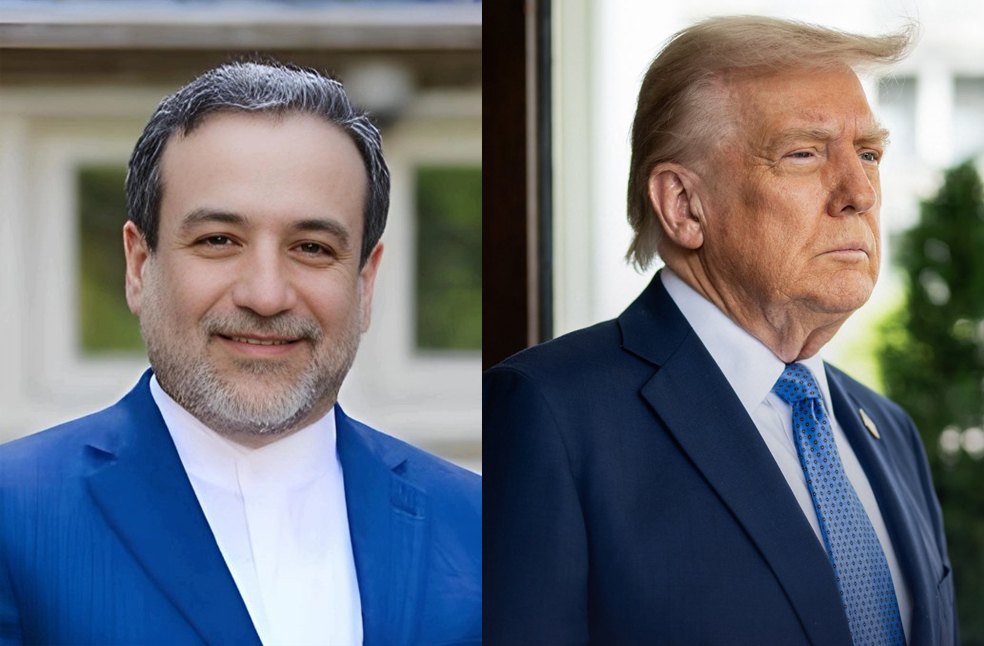
But the Atomic Energy Organisation of Iran (AEOI) and Iranian foreign ministry rejected the resolution as a ‘political action,’ arguing it has no technical or legal basis.
In response, Iran announced it would establish a new uranium enrichment facility at a ‘secure location’ and install more advanced sixth-generation centrifuges at the Fordo underground facility, replacing the current first-generation machines. Authorities added that other retaliatory measures are also under consideration.
Iran’s Foreign Minister Abbas Araghchi said the move complicates ongoing negotiations with the US for a new nuclear agreement. A sixth round of talks is scheduled in Oman.
However, US President Donald Trump, who is currently pushing for a stricter deal, recently expressed declining confidence in reaching an agreement. Trump insists Iran must fully halt uranium enrichment to eliminate any path to weaponization and has threatened military action if diplomacy fails.
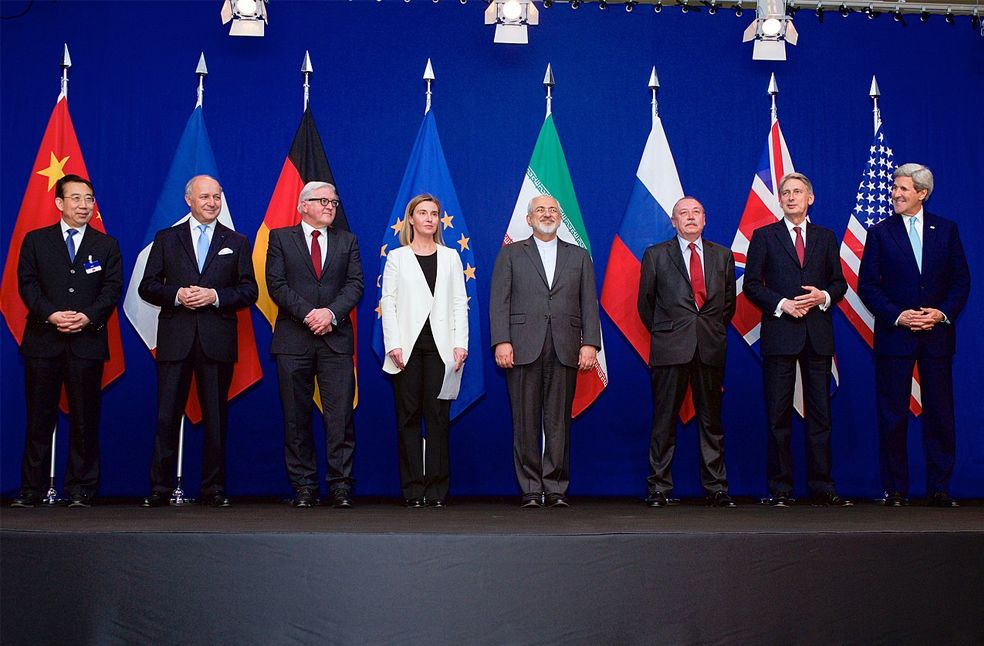
JCPOA in 2015
Iran, meanwhile, maintains that its nuclear program is strictly for peaceful purposes and reiterates that it has no intention of pursuing nuclear weapons. Under the 2015 Joint Comprehensive Plan of Action (JCPOA), Iran agreed to restrict its nuclear activities and allow enhanced monitoring by the IAEA in exchange for sanctions relief.
However, after Trump’s 2018 withdrawal from the deal and the reinstatement of US sanctions, Iran gradually began breaching the pact’s limits, particularly in uranium enrichment.
The IAEA board’s resolution notes that Iran’s failure to offer timely and complete cooperation constitutes non-compliance with its safeguards agreement under the Nuclear Non-Proliferation Treaty (NPT). It further states that the agency cannot verify that Iran’s nuclear materials have not been diverted for non-peaceful purposes, thereby raising issues that fall under the jurisdiction of the UN Security Council.
Three countries, Russia, China, and Burkina Faso voted against the resolution, while 11 abstained and 2 did not vote. The document says the board ‘deeply regrets’ Iran’s non-cooperation and calls on it to provide credible, technically accurate information.
The joint statement by France, Germany, the UK, and the US emphasized that the resolution presents Iran with an opportunity to reverse course and resolve long-standing IAEA concerns. “Iran still has a chance to finally fulfill its obligations, in full candor, and answer the IAEA’s crucial, longstanding questions on undeclared nuclear material and activities,” the statement read.
Meanwhile, regional tensions are escalating. The US has advised non-essential staff to leave some embassies in the Middle East amid rising threats.
Reports also suggest Israel may be preparing for potential military strikes on Iranian nuclear infrastructure. In response, Iran’s defense minister warned that any attack would prompt a counter-strike targeting all US military bases within reach.
As the standoff intensifies, the international community watches closely, with the looming possibility of UN sanctions being reimposed if Iran fails to comply with its nuclear obligations.
MOST READ | Monster Charm: Labubu’s journey from toy shelf to global trend
