


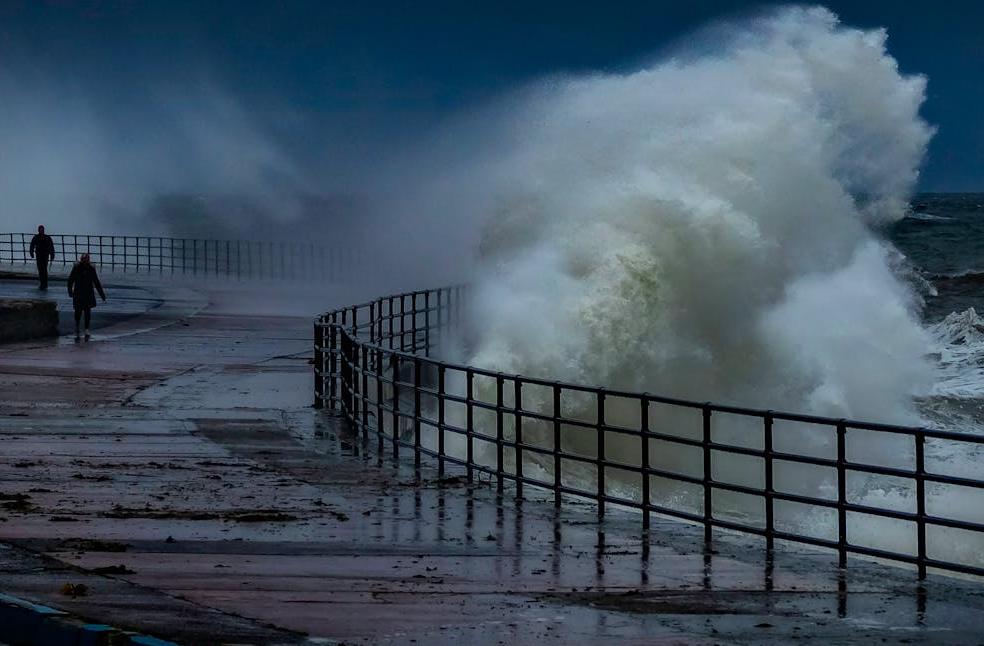
Bahamas: Hurricane Erin has strengthened into a dangerous Category 4 storm as it passed near the Bahamas and Turks and Caicos, raising concerns over rough seas, coastal flooding, and potential evacuation measures.
The hurricane is the first major storm of the 2025 Atlantic season and has marked the fourth straight year with at least one Category 5 system.
The US National Hurricane Center (NHC) has confirmed that Erin, which briefly intensified to a Category 5 storm over the weekend, has maintained sustained winds of around 130 mph (210 kph). Although the storm is not expected to make landfall in the Bahamas, Bermuda, or the US mainland, its large size and intensity have already generated tropical storm conditions across the region.
Nearly 14,000 residents across affected areas have been urged to prepare, with Turks and Caicos authorities suspending public services on its largest island. Residents in vulnerable areas have been advised to be ready for evacuation.
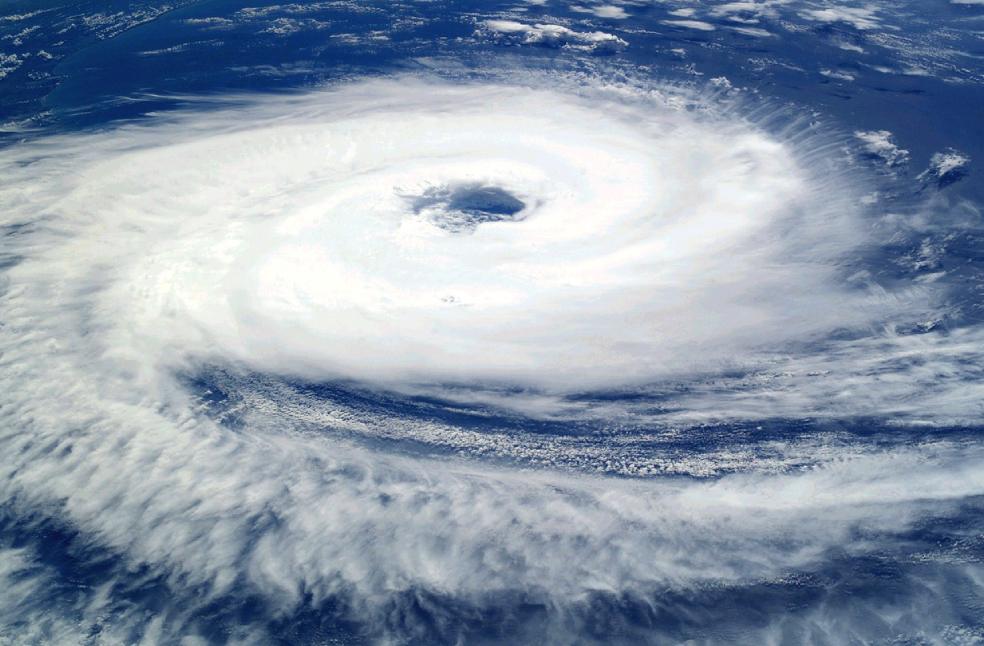
Kate Williamson, a district administrator in the Bahamas, said that residents of Long Cay should move to the mainland due to potential risks. Authorities have also highlighted the danger of extremely rough seas during swells, with surf and rip currents expected to impact the US East Coast.
North Carolina remains on high alert as Hurricane Erin prompts the NHC to issue a Tropical Storm Watch from Beaufort Inlet to Duck, including Pamlico Sound. With Hurricane Erin’s approach, a concurrent Storm Surge Watch warns of potential life-threatening coastal flooding from Cape Lookout to Duck within 48 hours.
Meteorologists have noted Erin’s rapid intensification, saying it is one of the fastest-strengthening storms on record, moving from tropical storm status to a Category 5 hurricane in just 27 hours. The storm later weakened slightly to Category 4 but has remained a major hurricane capable of causing severe impacts.
The NHC confirms Hurricane Erin will likely remain a Category 4 storm through midweek before gradual weakening over open Atlantic waters. While Hurricane Erin’s core stays offshore, the system will continue generating dangerous marine conditions and strong winds impacting the Bahamas, Turks and Caicos, and southeastern US coastal areas.
YOU MAY LIKE | Cambridge Dictionary updates capture internet’s linguistic influence
